Smart TVs and the security risk included that could prove to be a nightmare

Smart TVs offer internet connectivity, enabling streaming, browsing, and purchases. However, vulnerabilities like weak security and cameras risk privacy invasion and financial theft if compromised.

The Evolution and Cybersecurity Challenges of Smart TVs

Introduction

The advent of smart televisions (TVs) has transformed the traditional viewing experience, expanding the functionality of TVs far beyond their original purpose. A smart TV is defined as a television equipped with internet connectivity, enabling access to a wide array of digital services, from streaming platforms to web browsing and online purchases. This convergence of entertainment and connectivity has made smart TVs a central hub in modern households, offering convenience and interactivity. However, as with any internet-enabled device, smart TVs introduce significant cybersecurity risks. Despite advancements in their protective measures, smart TVs remain vulnerable to cyber threats, raising concerns about privacy, financial security, and data protection. This article explores the evolution of smart TVs, their vulnerabilities, the potential consequences of a breach, and the steps manufacturers and consumers can take to mitigate risks.

The Evolution of Smart TVs

Smart TVs represent a significant leap in the evolution of home entertainment. Unlike traditional televisions, which were limited to receiving broadcast signals, smart TVs integrate internet connectivity and computing capabilities. This allows them to access streaming services such as Netflix, YouTube, and Hulu, as well as social media platforms, gaming applications, and web browsers. The ability to download apps and interact with online content has turned smart TVs into versatile devices, akin to large-screen smartphones or computers.

The rise of smart TVs has been driven by consumer demand for seamless access to digital content. According to industry reports, the global smart TV market was valued at approximately $145 billion in 2022 and is projected to grow significantly over the next decade, fueled by advancements in display technology, voice recognition, and artificial intelligence (AI). Modern smart TVs often come equipped with features such as built-in microphones, cameras, and voice assistants, enabling hands-free operation and personalized user experiences. These features, while innovative, also introduce new vulnerabilities that can be exploited by malicious actors.

Cybersecurity Vulnerabilities of Smart TVs

While the connectivity of smart TVs enhances their functionality, it also exposes them to cyber threats. Unlike computers and smartphones, which benefit from robust cybersecurity ecosystems, smart TVs often lack adequate protection. Many models run on proprietary operating systems with limited security updates, making them attractive targets for cybercriminals. The vulnerabilities of smart TVs can be categorized into several key areas:

1. Weak Security Protocols

Smart TVs often operate on simplified operating systems that prioritize user experience over security. These systems may not receive regular firmware updates, leaving known vulnerabilities unpatched. Additionally, some manufacturers fail to implement strong encryption for data transmitted between the TV and external servers, making it easier for hackers to intercept sensitive information.

2. Built-in Microphones and Cameras

Many smart TVs are equipped with microphones and cameras to support voice commands and video conferencing. If compromised, these features can be remotely activated to spy on users, capturing audio and video without their knowledge. A 2019 study by the Federal Bureau of Investigation (FBI) warned that hackers could exploit smart TV cameras to monitor households, posing significant privacy risks.

3. Financial Transactions

Smart TVs often allow users to make purchases, such as subscribing to premium apps or buying digital content, through built-in payment systems. If a TV is compromised, hackers could gain access to stored payment information, leading to financial theft or fraud. The integration of e-commerce functionalities increases the stakes for securing these devices.

4. Third-Party Applications

The ability to download apps from app stores introduces additional risks. Malicious apps, disguised as legitimate software, can infiltrate smart TVs, stealing data or granting unauthorized access to the device. Unlike smartphones, where app stores are heavily vetted, smart TV app ecosystems may have less stringent oversight.

5. Network Vulnerabilities

Smart TVs are typically connected to home Wi-Fi networks, which may not always be secure. Weak network passwords or outdated router firmware can provide an entry point for attackers to target the TV and other connected devices. Once inside the network, hackers can exploit the TV as a gateway to access other devices, such as smartphones or laptops.

Consequences of a Compromised Smart TV

The potential consequences of a smart TV breach are far-reaching and can impact both individual users and households. Some of the most concerning outcomes include:

1. Privacy Invasion

A compromised smart TV with an activated microphone or camera can be used to surveil users in their homes. Hackers could record private conversations, monitor daily activities, or even capture sensitive personal moments, leading to significant privacy violations. Such breaches could also be used for blackmail or other malicious purposes.

2. Financial Loss

If a smart TV stores payment information, a breach could result in unauthorized transactions or the theft of credit card details. For example, a hacker could purchase premium services or digital goods, leaving the user to deal with the financial fallout. In extreme cases, stolen financial data could be sold on the dark web, leading to identity theft.

3. Data Breaches

Smart TVs often store personal information, such as user profiles, viewing habits, and login credentials for streaming services or social media accounts. A breach could expose this data, allowing hackers to impersonate users or access their accounts on other platforms.

4. Network Compromise

A hacked smart TV can serve as a backdoor into a home network, enabling attackers to target other devices. This could lead to the compromise of sensitive data stored on computers, smartphones, or smart home devices, such as security cameras or smart locks.

5. Ransomware Attacks

In recent years, ransomware has become a growing threat across all connected devices. A compromised smart TV could be locked by ransomware, rendering it unusable until a ransom is paid. While less common than on computers, such attacks are not unprecedented and could become more prevalent as smart TVs become more widespread.

Manufacturer Responses to Cybersecurity Concerns

Recognizing the growing threat landscape, smart TV manufacturers have begun to implement measures to enhance device security. These efforts include:

1. Firmware Updates

Leading manufacturers, such as Samsung, LG, and Sony, now provide regular firmware updates to address security vulnerabilities. These updates often include patches for known exploits and improvements to encryption protocols.

2. Improved Encryption

Modern smart TVs employ stronger encryption methods to protect data transmitted between the device and external servers. This reduces the risk of data interception during streaming or online transactions.

3. App Store Vetting

Some manufacturers have introduced stricter guidelines for apps available on their platforms, aiming to reduce the risk of malicious software. However, the effectiveness of these measures varies across brands and regions.

4. Privacy Controls

Newer smart TVs offer enhanced privacy settings, allowing users to disable microphones and cameras when not in use. Some models also include physical covers for cameras, providing an additional layer of protection.

5. User Authentication

To prevent unauthorized access, some smart TVs now require stronger user authentication, such as PINs or biometric verification, for sensitive actions like making purchases or accessing personal accounts.

Despite these advancements, the cybersecurity of smart TVs still lags behind that of computers and smartphones. The rapid pace of technological innovation means that new vulnerabilities are constantly emerging, and manufacturers must remain vigilant to stay ahead of cyber threats.

Best Practices for Smart TV Owners

While manufacturers are taking steps to improve security, smart TV owners must also take responsibility for protecting their devices. The following best practices can help minimize the risk of a breach:

1. Secure Your Home Network

Ensure your Wi-Fi network is protected with a strong, unique password and up-to-date router firmware. Consider using a separate network for IoT devices, including smart TVs, to isolate them from more sensitive devices like computers and smartphones.

2. Limit App Downloads

Only download apps from trusted sources, such as the manufacturer’s official app store. Avoid third-party apps or those with poor reviews, as they may contain malware.

3. Disable Unnecessary Features

Turn off microphones and cameras when not in use. Many smart TVs allow users to disable these features through the settings menu. If possible, use external devices, such as streaming sticks, instead of relying on the TV’s built-in features.

4. Avoid Financial Transactions

Refrain from making purchases or entering payment information directly through the smart TV. Instead, use a secure device, such as a computer or smartphone, for online transactions.

5. Keep Firmware Updated

Regularly check for and install firmware updates provided by the manufacturer. These updates often include critical security patches that address known vulnerabilities.

6. Monitor Account Activity

Regularly review account activity for streaming services, app subscriptions, and other accounts linked to your smart TV. Report any suspicious activity immediately.

7. Use External Security Solutions

Consider using a firewall or network monitoring tool to detect and block unauthorized access to your smart TV. Some routers also offer built-in security features that can enhance protection.

The Future of Smart TV Security

As smart TVs become more integrated into daily life, the need for robust cybersecurity measures will only grow. The current state of smart TV security, while improving, is not yet on par with that of computers or smartphones. However, advancements in AI, machine learning, and blockchain technology could pave the way for more secure smart TVs in the future. For example, AI-driven anomaly detection could identify and block suspicious activity in real time, while blockchain could provide secure, decentralized authentication for transactions.

Manufacturers must prioritize security in the design and development of smart TVs, ensuring that devices are equipped with the latest protective measures. Governments and industry organizations may also play a role by establishing stricter regulations and standards for IoT device security. For consumers, staying informed about cyber threats and adopting best practices will be critical to safeguarding their smart TVs.

Conclusion

Smart TVs have revolutionized home entertainment, offering unparalleled access to digital content and interactive features. However, their connectivity also makes them vulnerable to cyber threats, ranging from privacy invasions to financial theft. While manufacturers are taking steps to address these risks, smart TV security remains a work in progress. By combining manufacturer innovation with proactive consumer practices, the risks associated with smart TVs can be significantly reduced. As technology continues to evolve, the hope is that smart TVs will become as secure as their computing counterparts, ensuring that users can enjoy their devices without fear of compromise.

The inherent perils of the usage of Social Media

Social media connects the world instantly but poses risks like privacy breaches and malware. Safe practices, such as limiting personal information and verifying links, enhance user security.

The Security Implications of Social Media in the Digital Age

Introduction

The advent of the internet has revolutionized human connectivity, shrinking the world in ways comparable to the first ships that crossed oceans or the inaugural flights that defied gravity. By enabling near-instantaneous communication across vast distances, the internet has transformed how individuals interact, share ideas, and build communities. At the forefront of this digital evolution is social media, a powerful medium that allows users to connect with a global audience through a few keystrokes or screen taps. Platforms such as MySpace, Twitter (now X), Instagram, and Facebook have become integral to modern socialization, boasting billions of users worldwide. These platforms offer unprecedented opportunities for self-expression, networking, and information sharing. However, their accessibility and reach also introduce significant security risks. This essay explores the multifaceted dangers associated with social media, including privacy breaches, malware, and data vulnerabilities, while proposing practical strategies for users to protect themselves in this dynamic digital landscape.

The Rise of Social Media and Its Global Impact

Social media emerged as a natural extension of the internet’s ability to connect people. In the early 2000s, platforms like MySpace allowed users to create personalized profiles, share music, and connect with friends. As technology advanced, platforms such as Twitter, Instagram, and Facebook introduced new ways to engage, from microblogging to photo-sharing and comprehensive social networking. Today, these platforms collectively serve billions of users, with Facebook alone reporting over 3 billion monthly active users as of recent estimates. Social media has democratized communication, enabling individuals to share their lives, opinions, and experiences with a global audience instantly.

The benefits of social media are undeniable. It fosters community-building, facilitates professional networking, and provides a platform for advocacy and awareness. Businesses leverage social media for marketing, while individuals use it to stay connected with distant relatives or collaborate on creative projects. However, the same features that make social media a powerful tool—its openness, accessibility, and vast user base—also make it a potential vector for security threats. The ease of sharing information can inadvertently expose users to risks, particularly when sensitive personal details are disclosed.

Privacy Risks on Social Media

One of the most significant dangers associated with social media is the potential for privacy breaches. Users often share personal information, such as their location, workplace, or daily routines, without fully considering the consequences. For example, posting a photo taken at a workplace can reveal the user’s employer or even their physical location. A nefarious individual could use this information to deduce sensitive details, such as the user’s work schedule or home address, potentially leading to real-world consequences like stalking or burglary.

Moreover, social media profiles often serve as a treasure trove of personal information. Even if a user refrains from posting sensitive content directly, their profile may contain details like their full name, birthdate, or hometown. Malicious actors can exploit this information for identity theft, phishing scams, or social engineering attacks. For instance, a scammer might use publicly available information to craft a convincing phishing email, tricking the user into revealing financial details or login credentials.

The risk is compounded by the fact that many users do not fully understand the privacy settings available on social media platforms. Facebook, for example, offers granular controls to limit who can view posts, photos, or personal details. However, users who fail to configure these settings may leave their profiles exposed to the public or untrusted connections. Even private accounts are not immune, as information shared with “friends” can be misused if those connections are not genuine.

Cybersecurity Threats: Malware and Data Breaches

Beyond privacy concerns, social media platforms are prime targets for cybercriminals deploying malware and orchestrating data breaches. Malware, short for malicious software, can infiltrate devices through seemingly innocuous means. On social media, malware often masquerades as legitimate content, such as advertisements, news articles, or interactive features. For instance, a fake “Like” button on Facebook might prompt users to download a file that infects their device with ransomware or spyware. Similarly, sensational headlines can lure users to malicious websites that exploit vulnerabilities in their browsers or operating systems.

Both young and elderly users are particularly vulnerable to these tactics. Younger users may lack the experience to recognize suspicious links, while older users may be less familiar with modern cybersecurity threats. In 2019, a report by Symantec noted that social media scams, including malware distribution, were among the top cyberthreats targeting consumers. These attacks can lead to data theft, financial loss, or even complete device compromise.

Additionally, social media platforms themselves are susceptible to large-scale data breaches. If hackers gain access to a platform’s servers, they can harvest sensitive user information, including email addresses, phone numbers, and passwords. A notable example is the 2018 Facebook breach, which exposed the personal data of approximately 50 million users. Such incidents highlight the vulnerability of centralized platforms, where a single breach can compromise millions of accounts.

The risks extend beyond social media itself. Many users reuse passwords across multiple platforms, a practice that amplifies the impact of a breach. If a hacker obtains a user’s social media password, they may attempt to use it on other services, such as online banking or email accounts. This underscores the importance of unique, strong passwords and multi-factor authentication (MFA) to mitigate the fallout from potential breaches.

The Human Factor: Social Engineering and User Behavior

Social media’s open nature makes it an ideal environment for social engineering attacks, where malicious actors manipulate users into divulging sensitive information or performing harmful actions. Phishing scams, for example, often rely on tailored messages that exploit trust. A scammer might pose as a friend or a legitimate organization, sending a message that prompts the user to click a malicious link or share personal details.

User behavior plays a critical role in these vulnerabilities. Many individuals overshare on social media, posting details about their travel plans, financial status, or personal milestones. Such information can be used to craft targeted attacks. For example, a post about an upcoming vacation might signal to burglars that a user’s home will be unoccupied. Similarly, sharing details about a new job could provide scammers with enough context to impersonate a colleague or employer.

The psychological allure of social media exacerbates these risks. Platforms are designed to encourage engagement, often prompting users to share more than they might in other contexts. Features like location tags, check-ins, or real-time stories can inadvertently broadcast sensitive information to a wide audience. Users must exercise caution and critical thinking to avoid falling prey to these manipulative tactics.

Strategies for Safe Social Media Use

To navigate the risks associated with social media, users must adopt proactive measures and practice safe internet etiquette. The following strategies can significantly enhance personal security while maintaining the benefits of social media engagement:

  1. Limit Personal Information Sharing: Refrain from posting sensitive details, such as your home address, workplace, or travel plans. Avoid including identifiable information in photos, such as street signs or workplace logos, that could reveal your location.

  2. Configure Privacy Settings: Take advantage of platform-specific privacy controls. On Facebook, for instance, users can restrict who can view their posts, photos, or friend lists. Regularly review and update these settings to ensure they align with your comfort level.

  3. Use Strong, Unique Passwords: Create complex passwords that combine letters, numbers, and symbols, and avoid reusing them across multiple platforms. Consider using a reputable password manager to generate and store secure credentials.

  4. Enable Multi-Factor Authentication (MFA): MFA adds an additional layer of security by requiring a second form of verification, such as a code sent to your phone or email. Most major social media platforms support MFA, and enabling it can significantly reduce the risk of unauthorized access.

  5. Verify Links Before Clicking: Exercise caution when encountering links, especially those in unsolicited messages or posts. Hover over links to check their destination, and avoid clicking on anything that appears suspicious or leads to unfamiliar websites.

  6. Stay Informed About Scams: Educate yourself about common social media scams, such as phishing, fake giveaways, or malicious ads. Reputable cybersecurity blogs and resources, like those from Norton or McAfee, provide up-to-date information on emerging threats.

  7. Use Antivirus Software: Install and maintain robust antivirus software on all devices used to access social media. This can help detect and block malware before it causes harm.

  8. Be Skeptical of Unsolicited Messages: Treat unexpected messages, even from known contacts, with caution. If a friend’s account appears compromised, verify their identity through another communication channel before responding.

By implementing these practices, users can enjoy social media with greater confidence and reduced risk. Education and awareness are key to fostering a safer digital environment.

The Role of Social Media Platforms

While individual users bear responsibility for their online safety, social media platforms must also play a proactive role in mitigating risks. Companies like Meta (Facebook’s parent company) invest heavily in cybersecurity measures, such as encryption, automated threat detection, and user authentication protocols. However, these efforts are not foolproof, and platforms must continue to innovate to stay ahead of cybercriminals.

Transparency is equally important. Platforms should clearly communicate their privacy policies and provide user-friendly tools to manage data sharing. Regular security audits, prompt breach disclosures, and collaboration with cybersecurity experts can further enhance platform safety. Additionally, platforms can educate users through in-app prompts or tutorials, encouraging best practices like enabling MFA or recognizing phishing attempts.

Conclusion

Social media, much like the pioneering ships and planes that reshaped global connectivity, has transformed how we interact with the world. It offers unparalleled opportunities for communication, creativity, and community-building. However, its openness and accessibility also expose users to significant risks, including privacy breaches, malware, and social engineering attacks. By understanding these dangers and adopting safe internet practices, users can protect themselves while enjoying the benefits of social media. Platforms, too, must prioritize user safety through robust security measures and transparent policies. In this digital age, vigilance and responsibility are essential to ensuring that social media remains a tool for connection rather than a gateway to harm.

Why we should be cautious of the connected car

Internet-connected vehicles offer convenience but pose cybersecurity risks. Hackers could steal data or seize control, endangering lives. Automakers must prioritize robust security to protect drivers.

The Cybersecurity Risks of Internet-Connected Vehicles

Introduction

The rapid integration of internet connectivity into everyday objects has transformed modern life, creating an interconnected ecosystem known as the Internet of Things (IoT). From smartwatches and fitness trackers to entire homes equipped with intelligent appliances, this trend toward ubiquitous connectivity has reshaped how we interact with technology. Inevitably, the automotive industry has embraced this shift, with many modern vehicles now featuring internet capabilities, such as infotainment systems, navigation tools, and even Wi-Fi hotspots. While these advancements offer unprecedented convenience and functionality, they also introduce significant cybersecurity risks. Unlike traditional computers, which benefit from decades of security development, internet-connected vehicles often lack robust protections, making them vulnerable to cyberattacks. This essay explores the potential dangers of compromised connected cars, particularly the risks to personal data and vehicle control, and underscores the urgent need for automakers to prioritize cybersecurity to ensure driver and public safety.

The Rise of Connected Vehicles

The automotive industry has undergone a technological revolution, driven by consumer demand for seamless connectivity and advanced features. Modern vehicles are equipped with a range of internet-enabled systems, including telematics for real-time diagnostics, over-the-air software updates, and infotainment platforms that integrate with smartphones. Some cars even function as Wi-Fi hotspots, allowing passengers to connect their devices to the internet. According to a 2023 report by McKinsey & Company, over 95% of new vehicles sold in developed markets by 2030 are expected to have some form of internet connectivity. This trend is further amplified by the rise of autonomous and semi-autonomous vehicles, which rely heavily on networked systems for navigation, sensor data processing, and communication with external infrastructure.

While these features enhance the driving experience, they also expand the attack surface for cybercriminals. Unlike traditional vehicles, which were largely mechanical and isolated from external networks, modern cars are essentially computers on wheels, with complex software ecosystems that can be exploited. The lack of standardized cybersecurity protocols across the automotive industry exacerbates these vulnerabilities, raising critical questions about the safety and privacy implications of connected vehicles.

Vulnerabilities of Internet-Connected Cars

The integration of internet connectivity into vehicles introduces several potential vulnerabilities. First, the software and hardware used in connected cars are often not designed with cybersecurity as a primary focus. Many automotive systems rely on outdated or unpatched software, which can contain known vulnerabilities that hackers can exploit. For example, a 2015 demonstration by security researchers Charlie Miller and Chris Valasek revealed how a Jeep Cherokee could be remotely hacked through its infotainment system, allowing attackers to control critical functions like brakes and steering. This incident highlighted the real-world implications of inadequate security measures in connected vehicles.

Second, the use of cars as Wi-Fi hotspots creates additional risks. When a vehicle serves as a network hub, any device connected to it—such as a smartphone, tablet, or laptop—becomes part of the same network. A compromised car could serve as a gateway for attackers to access these devices, potentially exposing sensitive personal information such as credit card numbers, addresses, or login credentials. Moreover, the vehicle’s own systems, including GPS data, diagnostic logs, and user profiles, could be accessed, leading to privacy breaches or identity theft.

Perhaps the most alarming vulnerability is the potential for an attacker to seize control of a vehicle’s critical systems. Modern cars rely on electronic control units (ECUs) to manage functions such as acceleration, braking, and steering. If a hacker gains access to these systems through an internet connection, they could manipulate the vehicle’s behavior, potentially causing it to stop abruptly, accelerate uncontrollably, or veer off course. Such scenarios pose significant risks not only to the vehicle’s occupants but also to other drivers, pedestrians, and infrastructure.

The Threat of Cyberattacks on Connected Vehicles

The consequences of a cyberattack on an internet-connected vehicle can be catastrophic. At the individual level, a compromised car could lead to the theft of sensitive data stored in the vehicle’s infotainment system or connected devices. For instance, navigation systems often store home addresses, travel histories, and other personal information, which could be exploited for stalking, burglary, or fraud. In a 2022 study by the Ponemon Institute, 68% of surveyed vehicle owners expressed concern about the potential for their personal data to be stolen through their car’s connected systems.

More disturbingly, a cyberattack that compromises a vehicle’s control systems could result in physical harm. Imagine a scenario where a hacker remotely disables a car’s brakes on a busy highway or manipulates a self-driving car’s navigation to cause a collision. Such incidents could lead to injuries, fatalities, and significant property damage. The 2015 Jeep Cherokee hack demonstrated that such attacks are not theoretical; researchers were able to remotely control the vehicle from miles away, prompting a recall of 1.4 million vehicles by Fiat Chrysler Automobiles to address the vulnerability.

The rise of autonomous vehicles amplifies these risks. Self-driving cars rely on complex networks of sensors, cameras, and software to navigate roads and make real-time decisions. A cyberattack that disrupts these systems could render the vehicle inoperable or cause it to misinterpret its environment, leading to accidents. For example, a hacker could manipulate a self-driving car’s lidar or radar systems to create false obstacles or ignore real ones, with potentially deadly consequences. As autonomous vehicles become more prevalent, they will likely become prime targets for cybercriminals seeking to exploit their reliance on connectivity.

The Broader Implications for Society

The cybersecurity risks of connected vehicles extend beyond individual drivers to society as a whole. A large-scale attack targeting multiple vehicles could disrupt transportation systems, cause widespread panic, and undermine public trust in connected and autonomous vehicles. For instance, a coordinated attack that disables thousands of cars on a city’s roads could paralyze traffic, delay emergency services, and cause economic losses. In a worst-case scenario, such an attack could be used as a tool for terrorism or extortion, with hackers demanding ransoms to restore control of compromised vehicles.

Moreover, the automotive industry’s supply chain is highly interconnected, with multiple vendors providing software, hardware, and connectivity solutions. A vulnerability in a single component—such as a third-party infotainment system or a telematics module—could affect millions of vehicles across different brands. The 2021 SolarWinds cyberattack, which compromised multiple organizations through a single software supply chain, serves as a cautionary tale for the automotive industry. Ensuring the security of every component in a vehicle’s ecosystem is a daunting challenge, but one that must be addressed to prevent widespread vulnerabilities.

Current Security Measures and Their Limitations

While some automakers have begun to address cybersecurity concerns, the industry as a whole lags behind other sectors, such as finance and healthcare, in implementing robust protections. Common security measures in connected vehicles include encryption for data transmission, authentication protocols for software updates, and firewalls to protect in-vehicle networks. However, these measures are often inconsistent across manufacturers and models, and many vehicles still lack basic protections like intrusion detection systems or secure boot processes.

One significant challenge is the long lifespan of vehicles compared to consumer electronics. While smartphones and computers receive regular software updates to patch vulnerabilities, cars are often on the road for a decade or more, and many do not receive consistent updates. Even when updates are available, they may require a visit to a dealership, which can be inconvenient for owners and lead to delays in addressing critical vulnerabilities.

Additionally, the automotive industry faces a shortage of cybersecurity expertise. Developing secure systems requires specialized knowledge, and many automakers lack the in-house capabilities to design and test robust security measures. This gap is compounded by the complexity of modern vehicles, which can contain millions of lines of code and hundreds of interconnected components, each representing a potential point of failure.

Recommendations for Enhancing Vehicle Cybersecurity

To mitigate the risks associated with internet-connected vehicles, automakers, regulators, and other stakeholders must take proactive steps to prioritize cybersecurity. The following recommendations outline a comprehensive approach to securing connected and autonomous vehicles:

  1. Adopt Industry-Wide Cybersecurity Standards: The automotive industry should collaborate to establish standardized cybersecurity protocols, similar to those in the aviation or financial sectors. Organizations like the International Organization for Standardization (ISO) and the Society of Automotive Engineers (SAE) have developed guidelines, such as ISO/SAE 21434, which outlines best practices for automotive cybersecurity. Automakers should adopt these standards and ensure compliance across their supply chains.

  2. Implement Robust Security Measures: Vehicles should be equipped with advanced security features, including intrusion detection systems, secure boot processes, and end-to-end encryption for all data communications. Over-the-air update mechanisms should be mandatory to ensure timely patching of vulnerabilities, and these updates must be authenticated to prevent unauthorized modifications.

  3. Enhance Supply Chain Security: Automakers must work closely with suppliers to ensure that all components, from ECUs to infotainment systems, meet stringent cybersecurity requirements. Third-party vendors should be required to conduct regular security audits and provide documentation of their security practices.

  4. Invest in Cybersecurity Expertise: Automakers should hire and train cybersecurity professionals to design, test, and monitor vehicle systems. Partnerships with academic institutions and cybersecurity firms can help bridge the expertise gap and foster innovation in automotive security.

  5. Educate Consumers: Drivers should be informed about the risks of connected vehicles and encouraged to adopt best practices, such as using strong passwords for in-vehicle systems and avoiding untrusted Wi-Fi networks. Automakers can provide user-friendly guides and tools to help owners secure their vehicles.

  6. Collaborate with Regulators: Governments should work with the automotive industry to develop regulations that mandate minimum cybersecurity standards for connected vehicles. These regulations should include requirements for regular security assessments, incident reporting, and consumer protections in the event of a breach.

  7. Prepare for Autonomous Vehicles: As self-driving cars become more common, automakers must prioritize the security of autonomous systems. This includes implementing redundant safety mechanisms to prevent unauthorized control and conducting rigorous testing to identify and address vulnerabilities.

Conclusion

The integration of internet connectivity into vehicles represents a significant leap forward in automotive technology, offering drivers unprecedented convenience, safety, and efficiency. However, this connectivity comes with substantial risks, from data breaches to the potential for remote vehicle hijacking. As connected and autonomous vehicles become increasingly prevalent, the automotive industry must act swiftly to address these vulnerabilities and protect drivers, passengers, and the public. By adopting industry-wide standards, implementing robust security measures, and fostering collaboration among stakeholders, automakers can ensure that the benefits of connected vehicles are not overshadowed by the dangers of cyberattacks. The potential for a compromised car to cause physical harm or widespread disruption underscores the urgency of this issue, making vehicle cybersecurity one of the most critical challenges of our time. Only through proactive investment and innovation can the automotive industry safeguard the future of transportation and maintain public trust in the era of connected mobility.

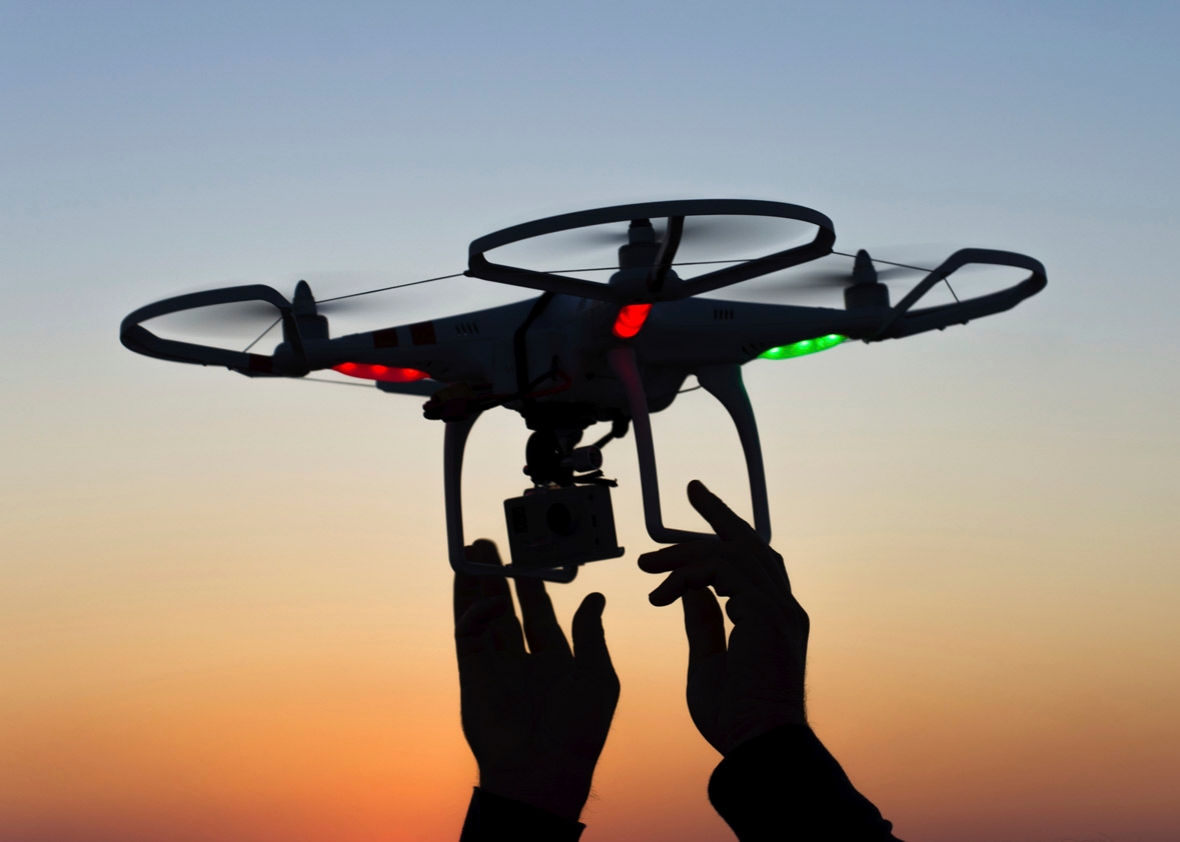
The risk that could ground the civilian drone

Drones, once military tools, now transform civilian life with advanced capabilities. However, their wireless nature invites cyberattacks, risking data theft, hijacking, and public safety. Robust cybersecurity is essential.

The Evolution and Cybersecurity Challenges of Drone Technology

Introduction

Unmanned Aerial Vehicles (UAVs), commonly known as drones, have transitioned from exclusive military applications to ubiquitous tools in civilian life. Initially developed to safeguard military personnel by performing reconnaissance and combat missions remotely, drones have evolved into sophisticated, cost-effective devices accessible to hobbyists, businesses, and industries. Their capabilities—ranging from high-altitude flights exceeding half a mile to speeds surpassing 55 miles per hour—have unlocked a myriad of applications, including aerial photography, land surveying, live event documentation, package delivery, and even food delivery. As large corporations increasingly integrate drones into their operations, the technology is poised to revolutionize daily life, promising efficiency, innovation, and convenience.

However, the proliferation of drones introduces significant cybersecurity challenges. As wireless and Bluetooth-controlled devices, drones are vulnerable to cyberattacks that can compromise sensitive data, hijack control, or even weaponize the devices. This paper explores the evolution of drone technology, its transformative potential, and the critical cybersecurity risks that must be addressed to ensure safe and secure integration into civilian and commercial spheres.

The Evolution of Drone Technology

From Military to Civilian Applications

Drones originated as military tools designed to minimize risks to personnel by conducting surveillance and targeted operations in hazardous environments. Early drones, such as the Predator UAV, were expensive, complex systems reserved for government use. Advances in materials science, miniaturization, and computing power have since democratized drone technology, reducing production costs and enabling widespread civilian adoption. Today, drones are available to consumers at various price points, with models ranging from basic recreational quadcopters to advanced systems equipped with high-resolution cameras, GPS, and autonomous flight capabilities.

The civilian drone market has grown exponentially, driven by applications in diverse sectors. Hobbyists use drones for recreational photography and videography, capturing stunning aerial views of landscapes and events. In agriculture, drones survey crops, monitor soil conditions, and optimize irrigation, enhancing productivity. Logistics companies like Amazon and UPS are pioneering drone-based delivery systems, promising faster and more efficient package transport. In entertainment, drones capture dynamic footage of live events, while in disaster management, they deliver critical supplies to remote or inaccessible areas. These applications underscore the transformative potential of drones across industries.

Technological Advancements

Modern drones are marvels of engineering, integrating advanced sensors, high-capacity batteries, and sophisticated software. Consumer drones can fly at altitudes exceeding 500 feet, reach speeds over 55 miles per hour, and operate for extended periods with improved battery life. Features like real-time video streaming, obstacle avoidance, and autonomous navigation have made drones more user-friendly and versatile. The integration of artificial intelligence (AI) enables drones to perform complex tasks, such as mapping terrain or tracking objects, with minimal human intervention.

As drone technology advances, manufacturers are developing increasingly compact and powerful models. These advancements lower barriers to entry, enabling more individuals and businesses to adopt drones. However, the growing sophistication and accessibility of drones also amplify the risks associated with their use, particularly in the realm of cybersecurity.

Cybersecurity Vulnerabilities in Drone Technology

The Nature of the Threat

Drones rely on wireless communication protocols, such as Wi-Fi and Bluetooth, to transmit data and receive commands. While these technologies enable remote operation, they also expose drones to cyber threats. Cybercriminals can exploit vulnerabilities in these communication channels to intercept video feeds, steal sensitive data, or hijack control of the drone. Such attacks can have far-reaching consequences, from financial losses to compromised public safety.

1. Interception of Video Feeds

Drones equipped with cameras are widely used for surveillance, monitoring, and documentation. However, unsecured video feeds can be intercepted by unauthorized parties, exposing sensitive information. For example, a drone surveying a corporate facility could inadvertently transmit proprietary data to a hacker, compromising trade secrets or operational plans. In 2011, a notable incident involved insurgents intercepting unencrypted video feeds from U.S. military drones, highlighting the risks of inadequate encryption.

2. Hijacking and Theft

Hackers can exploit weak authentication mechanisms to take control of a drone in flight. By overriding the operator’s commands, attackers can redirect the drone, steal its cargo, or crash it intentionally. In commercial applications, such as package delivery, hijacking poses significant financial risks, as stolen goods and damaged drones can lead to substantial losses. Moreover, hijacked drones can be repurposed for malicious activities, such as smuggling or espionage.

3. Network Vulnerabilities

Drones connected to corporate networks can serve as entry points for broader cyberattacks. If a drone’s wireless access point is compromised, hackers can use it to infiltrate a company’s network, accessing sensitive data or deploying malware. Such breaches can result in significant financial and reputational damage, particularly for organizations handling proprietary or customer data.

4. Public Safety Risks

The potential for drones to be weaponized is a growing concern. A compromised drone could be programmed to perform dangerous actions, such as colliding with other aircraft or delivering hazardous materials. In 2018, an incident in Venezuela demonstrated this risk when drones carrying explosives were used in an attempted assassination. The increasing availability of consumer drones heightens the potential for such misuse, underscoring the need for robust security measures.

Current Security Shortcomings

Many drones lack adequate cybersecurity protections, making them easy targets for attackers. Several factors contribute to these vulnerabilities:

1. Weak Encryption and Authentication

Most consumer drones rely on outdated Wi-Fi security protocols, such as WEP or WPA, which are susceptible to brute-force attacks. Similarly, Bluetooth connections often lack strong authentication, allowing unauthorized devices to connect. Without robust encryption, data transmitted between the drone and its operator can be intercepted or manipulated.

2. Inadequate Software Security

The operating systems of many drones are not designed with cybersecurity in mind. Unlike smartphones or computers, which receive regular security updates, drones often run on static firmware with known vulnerabilities. Manufacturers may prioritize functionality and cost over security, leaving drones exposed to exploits.

3. Open Wireless Connections

Many drones operate on open wireless networks, allowing anyone within range to connect. This lack of access control makes it easy for attackers to establish a connection and launch an attack, such as a man-in-the-middle (MITM) exploit, to intercept or alter communications.

4. Limited Operator Control

Once a drone is compromised, operators have little recourse to regain control. Unlike manned vehicles, which can be manually overridden, drones rely entirely on their communication systems. A successful hijacking can render the drone inoperable, posing risks to both the operator and the public.

Addressing Cybersecurity Challenges

To mitigate the risks associated with drone technology, manufacturers, regulators, and operators must prioritize cybersecurity. The following strategies can enhance the security of drones and ensure their safe integration into civilian and commercial applications.

1. Strengthening Encryption and Authentication

Manufacturers must adopt modern encryption standards, such as AES-256, to secure data transmission between drones and operators. Multi-factor authentication (MFA) should be implemented to verify the identity of the operator, preventing unauthorized access. Additionally, secure pairing mechanisms, such as those used in advanced Bluetooth protocols, can reduce the risk of interception.

2. Implementing Robust Software Security

Drones should be equipped with secure operating systems that receive regular firmware updates to patch vulnerabilities. Manufacturers can adopt practices from the smartphone industry, where over-the-air updates are standard. Secure boot mechanisms can ensure that only authorized firmware runs on the drone, preventing tampering.

3. Securing Wireless Networks

Drones should operate on private, encrypted networks rather than open Wi-Fi or Bluetooth connections. Virtual Private Networks (VPNs) or proprietary communication protocols can enhance security by limiting access to authorized devices. Additionally, frequency-hopping techniques can make it harder for attackers to intercept signals.

4. Enhancing Operator Control

To mitigate the risk of hijacking, drones should include fail-safe mechanisms that allow operators to regain control or safely land the device in the event of a compromise. For example, a “kill switch” could disable the drone’s communication systems and initiate an emergency landing protocol.

5. Regulatory Oversight and Standards

Governments and industry bodies must establish cybersecurity standards for drones, mandating minimum security requirements for manufacturers. Regulatory frameworks, such as those developed by the Federal Aviation Administration (FAA) or the European Union Aviation Safety Agency (EASA), should include provisions for cybersecurity testing and certification. These standards can ensure that drones meet rigorous security benchmarks before entering the market.

6. Public Awareness and Training

Operators must be educated about cybersecurity best practices, such as using strong passwords, updating firmware, and monitoring for suspicious activity. Public awareness campaigns can highlight the risks of unsecured drones and encourage responsible use. Training programs for commercial operators can emphasize secure configuration and operation of drones in sensitive environments.

The Future of Drone Technology

As drone technology continues to advance, its integration into daily life will deepen. Innovations in AI, battery life, and sensor technology will enable drones to perform increasingly complex tasks, from autonomous delivery fleets to environmental monitoring. However, these advancements will also attract cybercriminals seeking to exploit vulnerabilities for profit or harm.

To stay ahead of these threats, manufacturers must prioritize cybersecurity from the design phase, embedding robust protections into hardware and software. Collaboration between industry, academia, and government will be essential to develop cutting-edge security solutions and establish global standards. By addressing these challenges proactively, stakeholders can ensure that drones remain a safe and transformative technology.

Conclusion

Drones have evolved from military tools to versatile devices with the potential to revolutionize industries and enhance daily life. Their ability to perform tasks ranging from aerial photography to package delivery underscores their value in the modern world. However, the cybersecurity risks associated with drones—ranging from data interception to hijacking and public safety threats—pose significant challenges. By implementing strong encryption, secure software, and regulatory oversight, manufacturers and policymakers can mitigate these risks and unlock the full potential of drone technology. As drones continue to soar, a proactive approach to cybersecurity will ensure that they remain a force for innovation rather than a target for exploitation.

A Brief History of Hacking

Hacking’s history spans from Nevil Maskelyne’s 1903 telegraph prank to modern cyber warfare, evolving with technology and challenging security across individuals, corporations, and nation-states.

A Comprehensive History of Hacking: From Early Innovations to Modern Cyber Warfare

Introduction

Hacking, often perceived as a modern phenomenon tied to the digital age, has a history that stretches back over a century, encompassing a broad spectrum of activities from technological mischief to sophisticated cyber warfare. Far from being limited to computers, hacking has evolved through inventive exploits, wartime codebreaking, and the rise of malicious cyber activities. This essay traces the history of hacking from its earliest documented instances in the early 20th century to its complex, multifaceted nature in the 21st century, highlighting key events, technological advancements, and legislative responses that have shaped its trajectory. By examining historical milestones, we gain insight into how hacking has transformed from isolated acts of ingenuity to a global challenge involving individuals, groups, and nation-states.

Early Beginnings: Hacking Before Computers (1900s–1930s)

The history of hacking predates the computer era, rooted in the manipulation of emerging technologies. One of the earliest recorded instances occurred in 1903, when British magician and inventor Nevil Maskelyne disrupted a public demonstration of Guglielmo Marconi’s “secure” wireless telegraphy system. During the demonstration at the Royal Institution in London, Maskelyne intercepted the telegraph and transmitted insulting Morse code messages, exposing vulnerabilities in the system Marconi claimed was impervious to interference. This act, driven by both technical curiosity and competitive rivalry, demonstrated that even early communication technologies were susceptible to unauthorized access, setting a precedent for hacking as a means of challenging technological claims.

In the 1930s, hacking took on a more significant role during the lead-up to World War II with the breaking of the German Enigma machine. Polish cryptologists Marian Rejewski, Henryk Zygalski, and Jerzy Różycki made groundbreaking strides in deciphering the Enigma’s encryption, a feat that required reverse-engineering the machine’s complex rotor system. Their work, shared with the Allies, was built upon by British codebreakers, including Alan Turing, Gordon Welchman, and Harold Keen at Bletchley Park. By developing tools like the Bombe, they systematically decrypted German military communications, providing critical intelligence that influenced key Allied victories, such as the Battle of the Atlantic. This collaborative effort not only showcased hacking as a tool for wartime advantage but also underscored its potential to alter the course of history.

The Emergence of Modern Hacking: The 1960s–1980s

The term “hacking” began to take on its contemporary meaning in the 1960s, particularly within the tech community at the Massachusetts Institute of Technology (MIT). Originally, hacking referred to creative problem-solving and experimentation with technology, often in a non-malicious context. However, by the late 1960s, MIT’s student newspaper began associating the term with unauthorized access to computer systems, marking a shift toward its modern, often negative connotation. During this period, “phone phreaking” also emerged, where individuals like John Draper (aka “Captain Crunch”) exploited telephone systems to make free calls, demonstrating early forms of system manipulation.

The 1980s marked a turning point as hacking gained the attention of law enforcement and policymakers. In 1980, the Federal Bureau of Investigation (FBI) investigated a security breach at National CSS, a time-sharing computer service, which was traced to an internal employee, highlighting the insider threat. In 1981, Ian Murphy, known as “Captain Zap,” became the first hacker convicted of a felony in the United States for infiltrating AT&T’s systems and manipulating billing records. This case underscored the growing need for legal frameworks to address cybercrime.

The decade also saw the rise of hacking groups, such as the Legion of Doom and the Chaos Computer Club, which conducted coordinated attacks ranging from data theft to system disruptions. These activities prompted the U.S. House of Representatives to hold hearings on computer security, leading to the passage of the Comprehensive Crime Control Act of 1984, which granted the U.S. Secret Service jurisdiction over computer fraud. Two years later, the Computer Fraud and Abuse Act (CFAA) of 1986 made unauthorized access to computer systems a federal crime, though juveniles were initially exempted. The 1988 Morris Worm, created by Robert Tappan Morris, was a pivotal event, infecting thousands of ARPAnet-connected computers—a precursor to the internet—and causing widespread disruptions. This incident led to the creation of the Computer Emergency Response Team (CERT) to coordinate responses to cyber threats, marking a formal acknowledgment of hacking’s growing impact.

The 1990s: Hacking Goes Mainstream

The 1990s saw hacking evolve into a more visible and organized phenomenon, with both technological and cultural milestones. In 1993, DEF CON, a hacking conference, was founded in Las Vegas, becoming a hub for hackers, security researchers, and law enforcement to exchange knowledge. Now an annual event, DEF CON reflects the dual nature of hacking as both a creative pursuit and a potential threat. The decade also witnessed increased law enforcement activity, with the FBI raiding hacking groups like the Masters of Deception. These crackdowns created a climate of fear within the hacking community, leading some individuals to cooperate with authorities in exchange for immunity.

The 1990s also introduced high-profile cyberattacks that captured public attention. In 1994, Russian hacker Vladimir Levin stole $10 million from Citibank by exploiting weaknesses in its wire transfer system, demonstrating the financial stakes of cybercrime. By the late 1990s, hacking had become a global issue, with incidents like the Melissa virus (1999) infecting millions of computers and causing widespread email disruptions. These events highlighted the growing sophistication of malicious software and the need for robust cybersecurity measures.

The 21st Century: From Worms to Cyber Warfare (2000s–2010s)

The early 2000s marked a new era of destructive cyberattacks with the emergence of the ILOVEYOU worm in 2000. Originating in the Philippines, this worm spread via email, infecting millions of computers within hours and causing an estimated $10 billion in damages. Its rapid propagation underscored the vulnerability of interconnected systems and the potential for global disruption. In response, major corporations began prioritizing cybersecurity. In 2002, Microsoft CEO Bill Gates announced a company-wide initiative to enhance security across all Microsoft products, launching the Trustworthy Computing program to train employees and integrate security into software development.

The 2000s also saw the rise of hacktivism, exemplified by the formation of Anonymous in 2003. This decentralized collective gained notoriety for high-profile attacks, such as the 2008 assault on Scientology servers, which involved distributed denial-of-service (DDoS) attacks and the release of sensitive documents. While many of Anonymous’s key members were later arrested, the group’s ability to mobilize quickly and operate anonymously highlighted the challenges of combating decentralized cyber threats.

By the 2010s, hacking had reached unprecedented levels of sophistication, with nation-states entering the fray. The 2010 Stuxnet worm, widely attributed to the United States and Israel, targeted Iran’s nuclear program by sabotaging centrifuges, marking a new era of state-sponsored cyber warfare. In 2011, the Sony PlayStation Network suffered a massive data breach, compromising 77 million user accounts and exposing personal information. This incident underscored the vulnerability of corporate infrastructure and the financial and reputational costs of cyberattacks.

In 2015, a significant milestone occurred when hackers, believed to be Russian, targeted Ukraine’s power grid, causing widespread outages. This was the first confirmed instance of a cyberattack disrupting critical infrastructure, raising alarms about the potential for cyberattacks to cause physical harm. The following year, 2016, saw the largest recorded DDoS attack against KrebsOnSecurity, a cybersecurity blog, orchestrated using the Mirai botnet. This attack, which leveraged insecure Internet of Things (IoT) devices, demonstrated the evolving nature of cyber threats and the challenges of securing an increasingly connected world.

The Present and Future: Hacking in a Hyper-Connected World

As of 2025, hacking has become a multifaceted challenge involving individuals, criminal organizations, and nation-states. The battlefield of cyberspace is crowded with actors ranging from lone hackers seeking financial gain to governments engaging in espionage and sabotage. Recent years have seen a surge in ransomware attacks, such as the 2021 Colonial Pipeline incident, which disrupted fuel supplies in the United States, and the 2020 SolarWinds attack, which compromised multiple government agencies and private companies through a supply chain vulnerability.

The rise of artificial intelligence (AI) and machine learning has further complicated the landscape, enabling both more sophisticated attacks and advanced defensive measures. AI-driven malware can adapt to security protocols, while deepfake technology has introduced new risks for social engineering. Conversely, organizations are leveraging AI to detect anomalies and predict threats, highlighting the dual-use nature of emerging technologies.

Legislative and international responses have struggled to keep pace. The European Union’s General Data Protection Regulation (GDPR), enacted in 2018, set a global standard for data privacy, imposing hefty fines for breaches. However, the borderless nature of cyberspace complicates enforcement, as attackers often operate from jurisdictions with lax regulations. International agreements, such as the Budapest Convention on Cybercrime, aim to foster cooperation, but geopolitical tensions often hinder progress.

Looking ahead, the future of hacking is uncertain but undoubtedly impactful. The proliferation of IoT devices, 5G networks, and cloud computing presents new vulnerabilities, while quantum computing could potentially render current encryption obsolete. Cybersecurity must evolve rapidly to address these challenges, emphasizing proactive measures like zero-trust architecture and continuous monitoring.

Conclusion

The history of hacking is a testament to human ingenuity, adaptability, and, at times, malice. From Nevil Maskelyne’s Morse code prank in 1903 to the sophisticated cyber warfare of the 21st century, hacking has evolved alongside technology, shaping and being shaped by societal, political, and economic forces. Historical events like the breaking of the Enigma code and the Morris Worm illustrate hacking’s dual nature as both a tool for progress and a source of disruption. As we navigate an increasingly digital world, understanding this history provides critical context for addressing current and future cyber threats. Robust security measures, international cooperation, and public awareness are essential to mitigate the risks posed by hacking, ensuring that cyberspace remains a space for innovation rather than conflict.

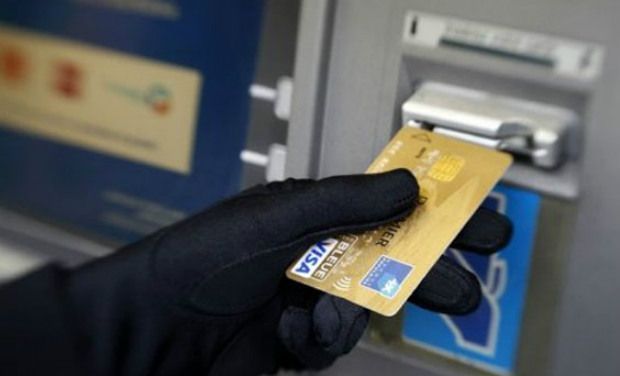
Thievery: What are ATM Skimmers and how to avoid them

ATM skimmers steal financial data, risking devastating losses. Protect yourself by choosing busy ATMs, inspecting for tampering, using contactless options, shielding PINs, and monitoring accounts regularly.

Protecting Yourself from ATM Skimmer Fraud: A Comprehensive Guide

Introduction

Automated Teller Machines (ATMs) have become an integral part of modern banking, offering unparalleled convenience for withdrawing cash, checking balances, and performing other financial transactions. For many, using an ATM is a routine activity, seamlessly integrated into daily life. However, this reliance on ATMs comes with a significant risk: ATM skimmers. These malicious devices, designed to steal sensitive financial information, pose a serious threat to unsuspecting users. As ATM skimming technology becomes increasingly sophisticated, individuals must take proactive steps to protect themselves from financial fraud. This article explores the nature of ATM skimmers, their potential consequences, and practical strategies to safeguard personal financial information, with a particular focus on empowering young adults and new bank account holders.

Understanding ATM Skimmers

ATM skimmers are illicit devices installed by criminals to capture personal financial information, such as debit or credit card numbers and Personal Identification Numbers (PINs). These devices are engineered to blend seamlessly with the ATM’s components, making them difficult to detect without close inspection. Skimmers vary in design but typically target one of three critical areas: the card reader, the keypad, or the surrounding environment via hidden cameras.

  1. Card Reader Skimmers: These devices are placed over or within the ATM’s card slot, designed to mimic the legitimate card reader. When a card is inserted, the skimmer captures the magnetic stripe data, including the card number and other sensitive details.

  2. Keypad Skimmers: False keypads are overlaid on the ATM’s legitimate keypad to record PIN entries. These devices may feel slightly different to the touch or appear misaligned, but they are often crafted to be nearly indistinguishable.

  3. Hidden Cameras: Small, discreet cameras may be positioned near the ATM, often angled to capture keypad inputs. These cameras are typically concealed in inconspicuous locations, such as within the ATM’s frame, a nearby light fixture, or even a fake brochure holder.

Once collected, the stolen data is stored within the skimmer or transmitted wirelessly to the criminal, who can then use it to create counterfeit cards or conduct unauthorized transactions. The financial repercussions of such theft can be devastating, leading to drained bank accounts, unauthorized charges, and significant stress for victims.

The Consequences of ATM Skimming

The fallout from ATM skimming can extend beyond immediate financial loss. Victims may face:

  • Financial Loss: Criminals can drain bank accounts or rack up unauthorized charges, leaving victims with depleted funds and the burden of recovering their money.

  • Credit Damage: Stolen card information can lead to fraudulent accounts or charges, potentially harming the victim’s credit score.

  • Time and Effort: Resolving fraud cases often requires contacting banks, filing disputes, and monitoring accounts, which can be time-consuming and emotionally taxing.

  • Identity Theft: In severe cases, stolen information may be used for broader identity theft, leading to long-term financial and personal challenges.

Given these risks, understanding how to identify and avoid skimmers is critical for anyone who uses ATMs regularly, especially young adults who may be less experienced with financial security practices.

Strategies to Protect Yourself from ATM Skimmers

Preventing ATM skimming requires a combination of vigilance, awareness, and proactive behavior. By adopting the following strategies, individuals can significantly reduce their risk of falling victim to this type of fraud.

1. Choose ATMs in High-Traffic, Well-Lit Locations

The location of an ATM plays a crucial role in its vulnerability to skimming. Criminals prefer ATMs in isolated or low-traffic areas, where they can install and retrieve skimmers without attracting attention. These locations may include standalone ATMs in dimly lit corners, convenience stores with minimal foot traffic, or ATMs operational during off-hours when few people are present.

In contrast, ATMs in busy, well-monitored areas—such as inside bank branches, shopping malls, or bustling urban centers—are less likely to be targeted. The presence of people, security cameras, and regular maintenance reduces the window of opportunity for criminals to install skimmers. When possible, opt for ATMs located in:

  • Bank Branches: These are typically equipped with advanced security systems and regularly inspected for tampering.

  • High-Traffic Retail Stores: ATMs in grocery stores or malls are less appealing to criminals due to constant activity.

  • Well-Lit Areas: Avoid ATMs in dark or secluded locations, especially at night, as these are prime targets for skimmer installation.

2. Inspect the ATM for Signs of Tampering

Before using an ATM, take a moment to examine its components for any irregularities. Skimmers are often designed to blend in, but subtle clues can reveal their presence:

  • Card Reader Inspection: Gently tug on the card reader to check if it feels loose or detachable. Legitimate card readers are securely fastened, while skimmers may wobble or come off easily. Look for unusual textures, colors, or misalignments that suggest an overlay.

  • Keypad Examination: Press the keypad to ensure it feels firm and consistent. False keypads may feel spongy, uneven, or slightly raised compared to the ATM’s surface.

  • Camera Check: Scan the area around the ATM for suspicious objects, such as small holes, unusual fixtures, or devices that seem out of place. Hidden cameras may be embedded in the ATM’s frame, a nearby sign, or even a fake panel.

If anything appears suspicious, avoid using the ATM and report your concerns to the bank or the ATM’s operator immediately.

3. Use Contactless or Mobile Banking Alternatives

Modern technology offers safer alternatives to traditional card-based ATM transactions. Many banks now support contactless cards or mobile apps that allow users to withdraw cash without inserting a card. These methods reduce the risk of skimming by bypassing the card reader entirely. For example:

  • Contactless Cards: Tap-to-pay cards use Near Field Communication (NFC) technology, which does not require the card to be inserted into a reader.

  • Mobile Apps: Some banks allow users to authenticate withdrawals via a smartphone app, generating a one-time code or QR code to access the ATM.

By leveraging these technologies, users can minimize their exposure to skimming devices.

4. Shield Your PIN Entry

Even if a skimmer is present, protecting your PIN can prevent criminals from accessing your account. When entering your PIN, use your hand or body to shield the keypad from potential cameras or onlookers. This simple habit can thwart attempts to capture your PIN, rendering stolen card data less valuable to criminals.

5. Monitor Your Accounts Regularly

Regularly reviewing your bank and credit card statements is an essential defense against fraud. Most banks offer online banking platforms and mobile apps that allow users to monitor transactions in real time. Look for:

  • Unauthorized Transactions: Small, unrecognized charges may indicate a skimmer testing the card before larger fraudulent withdrawals.

  • Suspicious Activity: Sudden changes in account balances or unfamiliar transactions should be reported immediately.

Enabling transaction alerts via text or email can provide instant notifications of account activity, allowing you to respond quickly to potential fraud.

6. Report Suspected Skimming Immediately

If you suspect an ATM has been compromised or notice unusual activity in your account, contact your bank immediately. Most banks have dedicated fraud hotlines and procedures for handling skimming incidents. Quick reporting can limit financial losses and help authorities apprehend the culprits. Additionally, notify the ATM’s operator or the business hosting the machine to ensure the device is inspected and secured.

Special Considerations for Young Adults

Young adults, particularly those new to managing their own bank accounts, may be especially vulnerable to ATM skimming due to inexperience or lack of awareness. To empower this group, financial institutions and educators should emphasize the following:

  • Financial Literacy Programs: Banks and schools can offer workshops or resources to teach young adults about ATM safety, skimming risks, and secure banking practices.

  • Parental Guidance: Parents can guide their children in inspecting ATMs and monitoring accounts, fostering habits that promote long-term financial security.

  • Technology Adoption: Encouraging the use of contactless cards or mobile banking apps can help young adults avoid traditional skimming risks.

By equipping young adults with the knowledge and tools to protect themselves, society can reduce the overall impact of ATM skimming.

Conclusion

ATM skimmers represent a significant threat in an era where convenience often overshadows caution. By understanding how skimmers operate and adopting proactive measures—such as choosing secure ATM locations, inspecting machines for tampering, using contactless technology, shielding PIN entries, monitoring accounts, and reporting suspicious activity—individuals can significantly reduce their risk of becoming victims. For young adults and new bank account holders, these practices are especially critical, as they may lack the experience to recognize potential threats. By staying vigilant and informed, ATM users can continue to enjoy the convenience of these machines while safeguarding their financial security. In a world where technology evolves rapidly, both for convenience and for crime, proactive awareness is the key to staying one step ahead of fraudsters.

An Out of this World threat: The dangers of a compromised satellite

Satellites, vital for global connectivity, face cybersecurity risks due to outdated technology. Robust encryption and quantum innovations are essential to protect these critical assets from catastrophic breaches.

Securing the Skies: The Cybersecurity Imperative for Satellites in a Hyper-Connected World

In an era defined by unprecedented global connectivity, satellites have become the invisible backbone of modern civilization. These orbiting marvels enable a vast array of services that have seamlessly integrated into daily life, from global positioning systems (GPS) and high-speed internet to weather forecasting and secure communications. By bridging vast distances and shrinking the world, satellites have transformed how individuals, businesses, and governments operate, fostering a hyper-connected global ecosystem. However, this reliance on satellite infrastructure introduces significant cybersecurity vulnerabilities that, if exploited, could disrupt critical services, incur massive financial losses, and even endanger lives. As the number of satellites in orbit continues to grow—driven by both governmental and private sector initiatives—the urgency to address these vulnerabilities has never been greater.

The Pivotal Role of Satellites in Modern Society

Satellites are indispensable to the functioning of contemporary society. GPS satellites provide precise navigation and timing data, underpinning industries such as transportation, logistics, aviation, and maritime operations. Internet satellites deliver connectivity to remote regions, enabling global communication and commerce. Scientific satellites monitor environmental changes, while military satellites support national security through surveillance and secure communications. According to industry estimates, there are over 7,000 operational satellites in orbit as of 2025, with thousands more planned for deployment in the coming years, driven by initiatives like SpaceX’s Starlink and other low Earth orbit (LEO) constellations.

These satellites collectively form a critical infrastructure that supports the global economy and societal well-being. For instance, GPS alone is estimated to contribute hundreds of billions of dollars annually to global GDP by enabling precision agriculture, optimizing supply chains, and supporting emergency response systems. Internet satellites have democratized access to information, bridging the digital divide for underserved communities. However, the very ubiquity of these services makes their potential disruption all the more consequential.

The Cybersecurity Achilles’ Heel of Satellites

Despite their critical importance, many satellites are alarmingly vulnerable to cyber threats. A significant portion of the satellite fleet, particularly older models, was designed and launched in an era when cybersecurity was an afterthought. These legacy systems often lack robust encryption, modern authentication protocols, or even basic firewalls, rendering them susceptible to exploitation. The software and hardware powering these satellites were built for reliability and longevity, not for withstanding sophisticated cyberattacks that have become commonplace in the digital age.

Cybercriminals or state-sponsored actors could exploit these vulnerabilities in several ways. At the most basic level, attackers could intercept unencrypted data transmissions, siphoning off sensitive information such as location data, communications, or proprietary business intelligence. More alarmingly, a compromised satellite could be disrupted or disabled, rendering it inoperative. For example, a GPS satellite taken offline could disrupt navigation systems, leading to chaos in industries reliant on precise positioning. In extreme scenarios, attackers could attempt to “commandeer” a satellite, issuing unauthorized commands to alter its orbit or functionality. While such an attack requires significant technical sophistication and resources, the possibility cannot be dismissed, particularly as cyber warfare capabilities continue to evolve.

The potential consequences of a compromised satellite are staggering. A disrupted GPS satellite could render navigation systems inoperative, grounding flights, halting maritime operations, and disrupting supply chains. Emergency services, which rely on GPS for rapid response, could face delays, potentially endangering lives. Financial institutions, which depend on precise timing signals from satellites for transaction synchronization, could suffer significant disruptions. In a worst-case scenario, a compromised military satellite could undermine national security, exposing sensitive intelligence or disrupting defense operations.

The Challenges of Securing Satellites

Securing satellites presents unique challenges that distinguish them from terrestrial systems. Satellites operate in the harsh environment of space, where physical access for maintenance or upgrades is impossible once they are launched. This necessitates that cybersecurity measures be integrated into the satellite’s design and software before launch, as post-deployment updates are often limited or impractical. Additionally, the long operational lifespans of satellites—often 10 to 20 years—mean that many rely on outdated technology that cannot easily be retrofitted with modern security protocols.

Another challenge is the complexity of satellite communication networks. Satellites interact with ground stations, user terminals, and other satellites, creating multiple points of entry for potential attackers. Ground stations, in particular, are vulnerable to physical and cyber intrusions, as they serve as the primary interface for commanding and controlling satellites. A breach at a ground station could provide attackers with access to the satellite’s control systems, amplifying the potential for harm.

The diversity of satellite operators further complicates the cybersecurity landscape. Satellites are owned and operated by a mix of governments, military organizations, private companies, and international consortia, each with varying levels of resources, expertise, and priorities. While large organizations like NASA or major telecommunications companies may have robust cybersecurity programs, smaller operators or those in developing nations may lack the resources to implement advanced protections.

Emerging Solutions: From Conventional to Quantum

To address these vulnerabilities, satellite operators must adopt a multi-faceted approach to cybersecurity. The foundation of this approach lies in integrating state-of-the-art security measures into satellite design and operation. Before a satellite is launched, it should be equipped with advanced encryption protocols, secure authentication mechanisms, and intrusion detection systems. Regular software updates, where feasible, can help address emerging threats, though this requires careful planning to avoid disrupting satellite operations.

Ground stations, as critical nodes in the satellite ecosystem, must also be fortified. This includes implementing robust network security, physical access controls, and continuous monitoring for suspicious activity. Redundancy in ground station operations can further mitigate risks by ensuring that a breach at one facility does not compromise the entire network.

Beyond conventional cybersecurity measures, emerging technologies offer transformative potential. Quantum computing, in particular, has emerged as a game-changer in satellite security. Quantum key distribution (QKD), which leverages the principles of quantum mechanics to create theoretically unbreakable encryption, could render satellite communications impervious to interception. In August 2016, China launched the world’s first quantum communication satellite, Micius, which demonstrated the feasibility of QKD in space. While the satellite was experimental, its success highlighted the potential for quantum-based systems to revolutionize satellite security.

However, quantum technology remains prohibitively expensive and complex for widespread adoption. For most operators, the immediate priority should be to implement best-in-class conventional cybersecurity measures. This includes adopting standards such as those outlined by the National Institute of Standards and Technology (NIST) for space systems or collaborating with international bodies like the Consultative Committee for Space Data Systems (CCSDS) to develop interoperable security protocols.

The Role of Collaboration and Regulation

Addressing the cybersecurity challenges of satellites requires collaboration across industries, governments, and international organizations. The space sector is inherently global, with satellites crossing national boundaries and serving users worldwide. This necessitates international cooperation to establish cybersecurity standards, share threat intelligence, and coordinate responses to cyber incidents. Organizations like the United Nations Office for Outer Space Affairs (UNOOSA) could play a pivotal role in fostering dialogue and setting guidelines for satellite security.

Regulation also has a role to play. Governments can incentivize or mandate cybersecurity standards for satellite operators, particularly for those providing critical services like GPS or telecommunications. Public-private partnerships can facilitate the development and deployment of advanced security technologies, ensuring that even smaller operators have access to robust protections.

The Path Forward: A Call to Action

The stakes of satellite cybersecurity are immense. A single compromised satellite could disrupt global communications, cripple economies, or undermine national security. As the number of satellites in orbit continues to grow, so too does the attack surface for cybercriminals and hostile actors. To safeguard this critical infrastructure, satellite operators must prioritize cybersecurity at every stage of a satellite’s lifecycle, from design and launch to operation and decommissioning.

Investing in advanced encryption, secure ground infrastructure, and emerging technologies like quantum computing is essential to staying ahead of evolving threats. Equally important is fostering a culture of cybersecurity awareness and collaboration across the space sector. By taking proactive measures and embracing innovation, the global community can ensure that satellites remain a reliable and secure cornerstone of our connected world.

In conclusion, the hyper-connected world of 2025 relies on satellites more than ever before. These orbiting assets are both a marvel of human ingenuity and a potential point of vulnerability. By addressing the cybersecurity challenges of satellites with urgency and foresight, we can protect the systems that underpin modern life and secure the skies for generations to come.

Blackout: Can the Power Grid be taken down by cyber-criminals?

A cyber-attack on the U.S. power grid could cause widespread disruption, costing millions and endangering lives. Robust defenses and coordinated response plans are critical.

Cybersecurity Threats to the U.S. Power Grid

The power grid is a cornerstone of modern society, seamlessly powering homes, businesses, and critical infrastructure. Yet, its reliability is so ingrained in daily life that it often goes unnoticed—until it fails. While cyber-attacks on personal devices or corporate networks dominate headlines, the notion of a cyber-attack targeting the power grid may seem improbable. However, the 2015 cyber-attack on Ukraine’s power grid, which disrupted electricity for several hours, demonstrated that such an event is not only possible but could have far-reaching consequences if prolonged. This incident raises a critical question: could the United States face a similar threat, and if so, how prepared is the nation to respond?

The Complexity of Attacking a Power Grid

A cyber-attack on a power grid is not akin to hacking a single computer. It requires meticulous orchestration, exploiting vulnerabilities in complex, interconnected systems that blend operational technology (OT) with information technology (IT). Power grids rely on supervisory control and data acquisition (SCADA) systems, which manage electricity distribution, and these systems are increasingly digitized, making them potential targets. The Ukraine attack, attributed to sophisticated actors, involved malware that disrupted control systems, highlighting the level of expertise required for such an operation.

While the Ukraine outage lasted only a few hours, a prolonged disruption—lasting days or weeks—could be catastrophic. The U.S. power grid, while robust, is not immune. Though the likelihood of a successful, large-scale cyber-attack remains low due to the grid’s complexity and existing safeguards, even a small risk warrants serious preparation.

Potential Consequences of a U.S. Power Grid Attack

A sustained power outage across multiple states would unleash widespread disruption. The economic toll could reach hundreds of millions, if not billions, of dollars, affecting industries, supply chains, and essential services. Hospitals, reliant on electricity for life-saving equipment, could face dire challenges, potentially leading to loss of life. Water treatment plants, transportation systems, and communication networks would also be compromised, amplifying the chaos. Such an attack, given its scale and intent, would likely be classified as an act of war, triggering significant geopolitical ramifications.

Current Preparedness and Gaps

U.S. power companies have developed contingency plans to address such scenarios, emphasizing rapid response and coordination. These plans involve collaboration among utilities to restore power quickly and communication with federal and state governments, particularly in multi-state incidents. The Department of Energy and the Federal Energy Regulatory Commission (FERC) play key roles in overseeing grid security, while the North American Electric Reliability Corporation (NERC) enforces cybersecurity standards, such as the Critical Infrastructure Protection (CIP) protocols.

Despite these efforts, some cybersecurity experts argue that current plans have significant shortcomings. Vulnerabilities include outdated infrastructure, inconsistent adoption of cybersecurity best practices across utilities, and insufficient simulation of large-scale attack scenarios. For instance, many systems still rely on legacy equipment that predates modern cybersecurity threats, making them harder to secure. Additionally, the decentralized nature of the U.S. grid, while a strength in some respects, can complicate coordinated responses.

Recommendations for Enhanced Resilience

To bolster defenses, power companies and regulators should prioritize the following:

  1. Modernize Infrastructure: Upgrade legacy systems with secure, resilient technologies and implement robust encryption for SCADA and other critical systems.

  2. Enhance Cybersecurity Standards: Strengthen NERC CIP requirements, ensuring uniform compliance across all utilities, and conduct regular audits to identify weaknesses.

  3. Conduct Realistic Simulations: Perform large-scale, multi-utility cyber-attack drills to test response plans and identify gaps in coordination.

  4. Foster Public-Private Collaboration: Deepen partnerships between utilities, government agencies, and cybersecurity firms to share threat intelligence and best practices.

  5. Invest in Workforce Training: Equip grid operators with advanced cybersecurity skills to detect and mitigate threats in real time.

Conclusion

The U.S. power grid remains a critical yet underappreciated lifeline. While a cyber-attack on the scale required to cause widespread disruption is unlikely, the potential consequences are too severe to ignore. The 2015 Ukraine attack serves as a stark reminder of what is possible, and the U.S. must take proactive steps to fortify its defenses. By addressing vulnerabilities, enhancing response plans, and fostering collaboration, the nation can better safeguard its power grid against an evolving cyber threat landscape, ensuring the lights stay on for all.

An Eye On Tech – Quantum Computing

Quantum computers promise breakthroughs in science, medicine, and AI, but their ability to break encryption raises cybersecurity concerns, reshaping society’s technological and security landscape.?

IBM’s Quantum Computer

Quantum Computing: A New Era of Computational Power

In January 2025, IBM unveiled its latest breakthrough in quantum computing: a commercial quantum computer accessible via the internet for users to submit quantum calculations. While not available for retail purchase, this development marks a significant step toward broader accessibility of quantum computing technology. To fully appreciate this milestone, it’s essential to understand what quantum computers are and their transformative potential.

The Power of Quantum Computing

Quantum computers represent a paradigm shift in computational capability, far surpassing the limits of even the most advanced classical computers. Unlike traditional systems, quantum computers leverage the unique properties of subatomic particles—superposition and entanglement—through quantum bits, or “qubits.” While classical computers process bits as either 0 or 1, qubits can exist in a superposition of both states simultaneously, enabling quantum computers to tackle complex problems with unprecedented efficiency. This capability promises breakthroughs in fields like cryptography, materials science, and medicine, solving problems once deemed intractable for classical systems.

However, quantum computing is still in its early stages. IBM’s latest quantum computer, while a significant achievement, is not yet considered a “true” quantum computer by researchers. The industry’s ultimate goal is achieving quantum supremacy—a state where quantum computers perform calculations beyond the reach of even the most powerful classical supercomputers. This milestone remains a work in progress but is a driving force for companies like IBM and other global players.

Coexistence of Classical and Quantum Systems

Quantum computers are unlikely to replace classical computers entirely. Instead, the two will likely coexist, each excelling in specific domains. Classical computers will remain essential for everyday tasks, while quantum computers will dominate in specialized areas, such as finding large prime numbers—a critical function in cryptography. Quantum computers can perform such calculations exponentially faster than classical systems, posing both opportunities and challenges for cybersecurity.

For instance, an IBM researcher has warned that quantum computers could potentially break even the most robust encryption protocols almost instantly, a task that would take classical computers billions of years. This capability places encryption in a precarious position, necessitating the development of quantum-resistant cryptographic methods as quantum technology matures.

Emerging Challenges: Quantum Malware

Like classical computers, quantum computers are not immune to security threats. While quantum malware remains a theoretical concern for now, its emergence could become a reality as quantum computing proliferates. Security professionals will need to adapt to this new domain, developing expertise in quantum cybersecurity. On the flip side, quantum computing offers opportunities to enhance security through quantum cryptography, currently the most secure method for transmitting messages, promising a new frontier in secure communication.

Quantum Computing and Artificial Intelligence

Quantum computing also holds immense potential for artificial intelligence (AI). Experts agree that quantum computers could accelerate AI research, enabling smarter and more capable systems. Virtual assistants like Siri could evolve beyond their current limitations, offering seamless interactions and advanced problem-solving capabilities. Some speculate that quantum computing could even pave the way for sentient AI, a prospect that is both groundbreaking and, for some, unsettling. The synergy between quantum computing and AI promises to redefine technological boundaries.

Global Race for Quantum Supremacy

China is currently leading the quantum computing race, investing billions in research and development to maintain its edge. With nearly 500 quantum technology patents compared to the United States’ 248, China’s advancements are significant. The nation is also actively recruiting Chinese scientists from foreign labs, offering incentives to bolster domestic innovation. This leadership raises concerns in Western nations, as a quantum-superior China could neutralize espionage efforts and expand its global influence by exporting advanced quantum technologies.

Despite these competitive dynamics, collaboration between Chinese and Western scientists could accelerate progress in quantum computing, benefiting the global scientific community. Such partnerships could drive innovation, ensuring that quantum advancements are shared for the greater good.

Looking Ahead

As we stand on the cusp of the 2030s, the progress in quantum computing over the past decade is remarkable. IBM’s latest quantum computer, though not yet a retail product, signals a future where quantum and classical systems coexist, each pushing the boundaries of what’s possible. While challenges like quantum malware and encryption vulnerabilities loom, the potential for breakthroughs in AI, cryptography, and scientific discovery is immense. The coming decade promises to be a transformative era for quantum computing—let’s hope it roars as boldly as the 1920s, but with a brighter, more stable conclusion.

Design a site like this with WordPress.com
Get started