The Evolution and Cybersecurity Challenges of Smart TVs
Introduction
The advent of smart televisions (TVs) has transformed the traditional viewing experience, expanding the functionality of TVs far beyond their original purpose. A smart TV is defined as a television equipped with internet connectivity, enabling access to a wide array of digital services, from streaming platforms to web browsing and online purchases. This convergence of entertainment and connectivity has made smart TVs a central hub in modern households, offering convenience and interactivity. However, as with any internet-enabled device, smart TVs introduce significant cybersecurity risks. Despite advancements in their protective measures, smart TVs remain vulnerable to cyber threats, raising concerns about privacy, financial security, and data protection. This article explores the evolution of smart TVs, their vulnerabilities, the potential consequences of a breach, and the steps manufacturers and consumers can take to mitigate risks.
The Evolution of Smart TVs
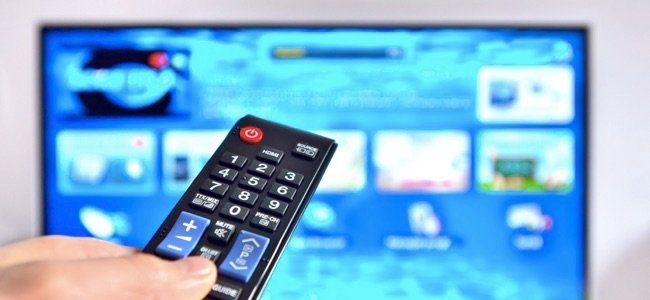
Smart TVs represent a significant leap in the evolution of home entertainment. Unlike traditional televisions, which were limited to receiving broadcast signals, smart TVs integrate internet connectivity and computing capabilities. This allows them to access streaming services such as Netflix, YouTube, and Hulu, as well as social media platforms, gaming applications, and web browsers. The ability to download apps and interact with online content has turned smart TVs into versatile devices, akin to large-screen smartphones or computers.
The rise of smart TVs has been driven by consumer demand for seamless access to digital content. According to industry reports, the global smart TV market was valued at approximately $145 billion in 2022 and is projected to grow significantly over the next decade, fueled by advancements in display technology, voice recognition, and artificial intelligence (AI). Modern smart TVs often come equipped with features such as built-in microphones, cameras, and voice assistants, enabling hands-free operation and personalized user experiences. These features, while innovative, also introduce new vulnerabilities that can be exploited by malicious actors.
Cybersecurity Vulnerabilities of Smart TVs
While the connectivity of smart TVs enhances their functionality, it also exposes them to cyber threats. Unlike computers and smartphones, which benefit from robust cybersecurity ecosystems, smart TVs often lack adequate protection. Many models run on proprietary operating systems with limited security updates, making them attractive targets for cybercriminals. The vulnerabilities of smart TVs can be categorized into several key areas:
1. Weak Security Protocols
Smart TVs often operate on simplified operating systems that prioritize user experience over security. These systems may not receive regular firmware updates, leaving known vulnerabilities unpatched. Additionally, some manufacturers fail to implement strong encryption for data transmitted between the TV and external servers, making it easier for hackers to intercept sensitive information.
2. Built-in Microphones and Cameras
Many smart TVs are equipped with microphones and cameras to support voice commands and video conferencing. If compromised, these features can be remotely activated to spy on users, capturing audio and video without their knowledge. A 2019 study by the Federal Bureau of Investigation (FBI) warned that hackers could exploit smart TV cameras to monitor households, posing significant privacy risks.
3. Financial Transactions
Smart TVs often allow users to make purchases, such as subscribing to premium apps or buying digital content, through built-in payment systems. If a TV is compromised, hackers could gain access to stored payment information, leading to financial theft or fraud. The integration of e-commerce functionalities increases the stakes for securing these devices.
4. Third-Party Applications
The ability to download apps from app stores introduces additional risks. Malicious apps, disguised as legitimate software, can infiltrate smart TVs, stealing data or granting unauthorized access to the device. Unlike smartphones, where app stores are heavily vetted, smart TV app ecosystems may have less stringent oversight.
5. Network Vulnerabilities
Smart TVs are typically connected to home Wi-Fi networks, which may not always be secure. Weak network passwords or outdated router firmware can provide an entry point for attackers to target the TV and other connected devices. Once inside the network, hackers can exploit the TV as a gateway to access other devices, such as smartphones or laptops.
Consequences of a Compromised Smart TV
The potential consequences of a smart TV breach are far-reaching and can impact both individual users and households. Some of the most concerning outcomes include:
1. Privacy Invasion
A compromised smart TV with an activated microphone or camera can be used to surveil users in their homes. Hackers could record private conversations, monitor daily activities, or even capture sensitive personal moments, leading to significant privacy violations. Such breaches could also be used for blackmail or other malicious purposes.
2. Financial Loss
If a smart TV stores payment information, a breach could result in unauthorized transactions or the theft of credit card details. For example, a hacker could purchase premium services or digital goods, leaving the user to deal with the financial fallout. In extreme cases, stolen financial data could be sold on the dark web, leading to identity theft.
3. Data Breaches
Smart TVs often store personal information, such as user profiles, viewing habits, and login credentials for streaming services or social media accounts. A breach could expose this data, allowing hackers to impersonate users or access their accounts on other platforms.
4. Network Compromise
A hacked smart TV can serve as a backdoor into a home network, enabling attackers to target other devices. This could lead to the compromise of sensitive data stored on computers, smartphones, or smart home devices, such as security cameras or smart locks.
5. Ransomware Attacks
In recent years, ransomware has become a growing threat across all connected devices. A compromised smart TV could be locked by ransomware, rendering it unusable until a ransom is paid. While less common than on computers, such attacks are not unprecedented and could become more prevalent as smart TVs become more widespread.
Manufacturer Responses to Cybersecurity Concerns
Recognizing the growing threat landscape, smart TV manufacturers have begun to implement measures to enhance device security. These efforts include:
1. Firmware Updates
Leading manufacturers, such as Samsung, LG, and Sony, now provide regular firmware updates to address security vulnerabilities. These updates often include patches for known exploits and improvements to encryption protocols.
2. Improved Encryption
Modern smart TVs employ stronger encryption methods to protect data transmitted between the device and external servers. This reduces the risk of data interception during streaming or online transactions.
3. App Store Vetting
Some manufacturers have introduced stricter guidelines for apps available on their platforms, aiming to reduce the risk of malicious software. However, the effectiveness of these measures varies across brands and regions.
4. Privacy Controls
Newer smart TVs offer enhanced privacy settings, allowing users to disable microphones and cameras when not in use. Some models also include physical covers for cameras, providing an additional layer of protection.
5. User Authentication
To prevent unauthorized access, some smart TVs now require stronger user authentication, such as PINs or biometric verification, for sensitive actions like making purchases or accessing personal accounts.
Despite these advancements, the cybersecurity of smart TVs still lags behind that of computers and smartphones. The rapid pace of technological innovation means that new vulnerabilities are constantly emerging, and manufacturers must remain vigilant to stay ahead of cyber threats.
Best Practices for Smart TV Owners
While manufacturers are taking steps to improve security, smart TV owners must also take responsibility for protecting their devices. The following best practices can help minimize the risk of a breach:
1. Secure Your Home Network
Ensure your Wi-Fi network is protected with a strong, unique password and up-to-date router firmware. Consider using a separate network for IoT devices, including smart TVs, to isolate them from more sensitive devices like computers and smartphones.
2. Limit App Downloads
Only download apps from trusted sources, such as the manufacturer’s official app store. Avoid third-party apps or those with poor reviews, as they may contain malware.
3. Disable Unnecessary Features
Turn off microphones and cameras when not in use. Many smart TVs allow users to disable these features through the settings menu. If possible, use external devices, such as streaming sticks, instead of relying on the TV’s built-in features.
4. Avoid Financial Transactions
Refrain from making purchases or entering payment information directly through the smart TV. Instead, use a secure device, such as a computer or smartphone, for online transactions.
5. Keep Firmware Updated
Regularly check for and install firmware updates provided by the manufacturer. These updates often include critical security patches that address known vulnerabilities.
6. Monitor Account Activity
Regularly review account activity for streaming services, app subscriptions, and other accounts linked to your smart TV. Report any suspicious activity immediately.
7. Use External Security Solutions
Consider using a firewall or network monitoring tool to detect and block unauthorized access to your smart TV. Some routers also offer built-in security features that can enhance protection.
The Future of Smart TV Security
As smart TVs become more integrated into daily life, the need for robust cybersecurity measures will only grow. The current state of smart TV security, while improving, is not yet on par with that of computers or smartphones. However, advancements in AI, machine learning, and blockchain technology could pave the way for more secure smart TVs in the future. For example, AI-driven anomaly detection could identify and block suspicious activity in real time, while blockchain could provide secure, decentralized authentication for transactions.
Manufacturers must prioritize security in the design and development of smart TVs, ensuring that devices are equipped with the latest protective measures. Governments and industry organizations may also play a role by establishing stricter regulations and standards for IoT device security. For consumers, staying informed about cyber threats and adopting best practices will be critical to safeguarding their smart TVs.
Conclusion
Smart TVs have revolutionized home entertainment, offering unparalleled access to digital content and interactive features. However, their connectivity also makes them vulnerable to cyber threats, ranging from privacy invasions to financial theft. While manufacturers are taking steps to address these risks, smart TV security remains a work in progress. By combining manufacturer innovation with proactive consumer practices, the risks associated with smart TVs can be significantly reduced. As technology continues to evolve, the hope is that smart TVs will become as secure as their computing counterparts, ensuring that users can enjoy their devices without fear of compromise.

 Wars of Zeros and Ones