The Evolution and Security Challenges of Cell Phones
Introduction
The cell phone, a transformative invention, stands as a testament to human ingenuity in science and engineering. Since its inception in 1973 by Martin Cooper of Motorola, the cell phone has evolved from a rudimentary communication device to a sophisticated, multifunctional tool that has reshaped global connectivity. Initially designed solely for voice calls, modern cell phones now serve as miniature computers, enabling users to capture photographs, play music, record videos, and access the internet with unprecedented ease. This remarkable evolution has placed immense power in the hands of the everyday person, marking the cell phone as a pinnacle of human engineering achievement. However, this technological marvel is not without its challenges. The advanced capabilities of modern cell phones, while enhancing convenience, have also introduced significant security vulnerabilities. As these devices become ubiquitous, they are increasingly targeted by cybercriminals, raising critical concerns about user privacy and data protection. This essay explores the historical development of the cell phone, its transformative impact on society, the growing cybersecurity threats it faces, and actionable strategies for users to safeguard their devices.
The Historical Evolution of the Cell Phone
The cell phone’s journey began on April 3, 1973, when Martin Cooper made the first mobile phone call using a Motorola prototype. Weighing over two pounds and offering a mere 30 minutes of talk time, this early device, known as the Motorola DynaTAC, was a far cry from today’s sleek smartphones. Its sole function was voice communication, and its bulky design and limited battery life reflected the technological constraints of the era. Despite these limitations, the DynaTAC marked a revolutionary step, introducing the concept of mobile telephony and laying the foundation for future innovations.
Throughout the 1980s and 1990s, cell phones became more compact and accessible, with improvements in battery life and network infrastructure. The introduction of 2G networks in the early 1990s enabled text messaging and basic data services, expanding the utility of mobile devices. By the late 1990s, brands like Nokia and BlackBerry popularized features such as customizable ringtones, basic games, and email access, transforming cell phones into lifestyle accessories.
The launch of the Apple iPhone in 2007 marked a turning point in cell phone history. With its touchscreen interface, internet connectivity, and app ecosystem, the iPhone redefined the cell phone as a multifunctional device. Competitors like Samsung, Google, and others followed suit, integrating cameras, GPS, music players, and web browsers into their devices. Today’s smartphones are equipped with advanced processors, high-resolution displays, and artificial intelligence capabilities, making them indispensable tools for communication, work, and entertainment.
This evolution has been driven by relentless innovation in hardware and software. Miniaturization of components, advancements in semiconductor technology, and the development of high-speed mobile networks (from 3G to 5G) have enabled cell phones to perform tasks once reserved for desktop computers. The modern smartphone is a testament to human engineering prowess, offering computing power that rivals early supercomputers in a pocket-sized form factor.
The Transformative Impact of Cell Phones
The cell phone’s impact on society is profound, reshaping how individuals communicate, work, and interact with the world. By enabling near-instantaneous communication across continents, cell phones have bridged geographical divides, fostering global connectivity. Social media platforms, messaging apps, and video conferencing tools have made it possible for people to maintain relationships, collaborate professionally, and share knowledge in real time.
Beyond communication, cell phones have democratized access to information and services. Mobile banking, e-commerce, and educational apps have empowered individuals in remote and underserved regions, providing access to financial services and learning opportunities that were previously out of reach. In healthcare, smartphones facilitate telemedicine, fitness tracking, and health monitoring, improving quality of life. In entertainment, they offer streaming services, gaming, and content creation tools, enabling users to produce and share media with global audiences.
The cell phone’s versatility has made it an essential tool for the everyday person. With a single device, users can navigate unfamiliar cities, manage schedules, capture life’s moments, and stay informed about global events. This convergence of functionalities underscores the cell phone’s status as a pinnacle of human achievement, embodying decades of scientific and engineering advancements.
Security Challenges in the Smartphone Era
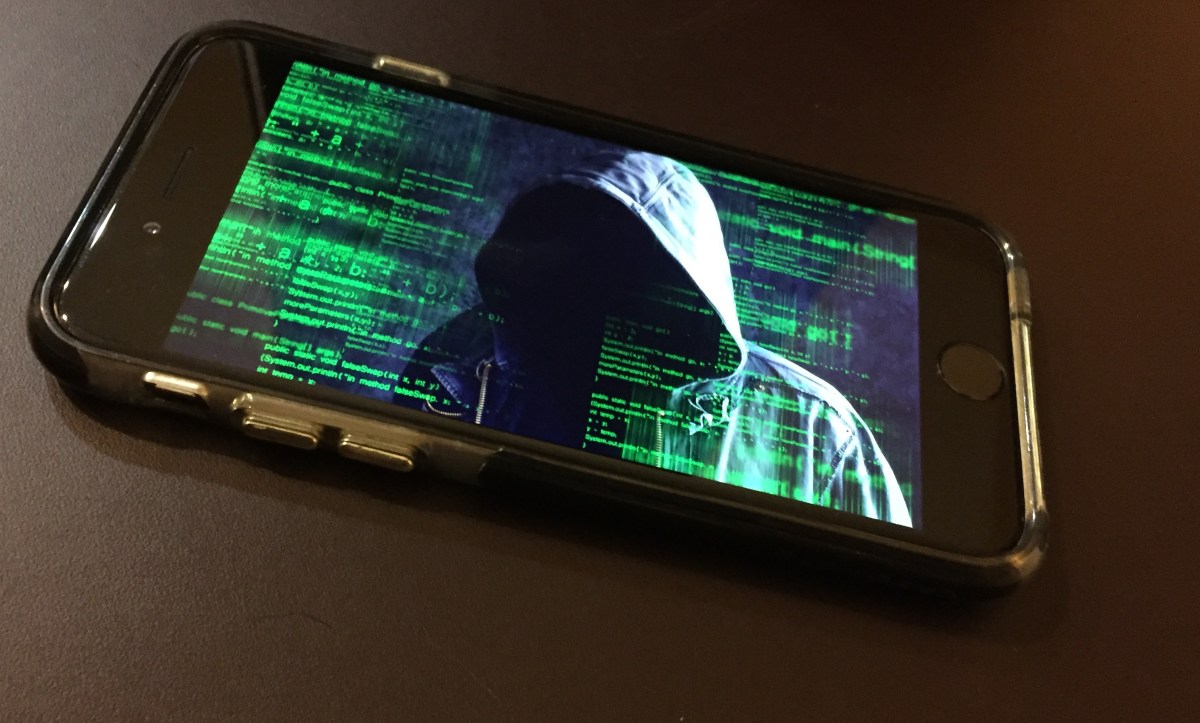
Despite their benefits, cell phones present significant security challenges. As smartphones have become more powerful and ubiquitous, they have also become prime targets for cyberattacks. A 2012 report by the United States Computer Emergency Readiness Team (US-CERT), a division of the Department of Homeland Security, highlighted that cell phone security had not kept pace with that of traditional computers. The report noted that as cell phone ownership surged, so did the frequency and sophistication of cyberattacks targeting these devices. Given that this report is now over a decade old, and considering the exponential growth in smartphone adoption and capabilities since then, it is reasonable to infer that these vulnerabilities have only intensified.
Smartphones are particularly vulnerable due to their multifunctionality and constant connectivity. Features such as cameras, microphones, GPS, and internet access, while convenient, provide multiple entry points for malicious actors. Cybercriminals can exploit these vulnerabilities to steal personal data, monitor user activities, or even take control of the device. Common threats include malware, phishing attacks, unsecured Wi-Fi connections, and vulnerabilities in outdated software.
For instance, malware disguised as legitimate apps can infiltrate a device, accessing sensitive information such as passwords, financial details, or personal communications. Phishing attacks, often delivered via text messages or emails, trick users into revealing login credentials or installing malicious software. Unsecured Wi-Fi networks, frequently used in public spaces, allow attackers to intercept data transmitted to and from the device. Additionally, unpatched operating systems or apps can contain vulnerabilities that hackers exploit to gain unauthorized access.
The misconception that smartphone security is as robust as that of computers exacerbates these risks. Unlike computers, which often have comprehensive antivirus software and regular security updates, smartphones rely heavily on user diligence and built-in security features, which may not be sufficient against advanced threats. Moreover, the portability and constant use of smartphones make them more susceptible to physical theft or loss, further compromising sensitive data if not properly secured.
The Double-Edged Sword of Cell Phone Features
The very features that make cell phones indispensable also contribute to their vulnerabilities, rendering them a double-edged sword. For example, biometric authentication, such as fingerprint or facial recognition, enhances user convenience by simplifying device access. However, these technologies are not foolproof. Sophisticated attackers can bypass biometric security through techniques like fingerprint spoofing or facial recognition manipulation. Similarly, cloud connectivity, which enables seamless data backup and synchronization, can expose personal information if not adequately encrypted or if users fall victim to phishing scams targeting cloud credentials.
The integration of Internet of Things (IoT) devices with smartphones further amplifies these risks. Smartphones often serve as control hubs for smart home devices, wearables, and other connected technologies. A compromised smartphone can provide attackers with a gateway to manipulate these devices, potentially compromising physical security, such as unlocking smart doors or disabling security cameras.
The constant evolution of cell phone technology introduces additional challenges. Each new feature, from augmented reality to voice assistants, expands the attack surface. As manufacturers race to deliver cutting-edge functionalities, security considerations can sometimes take a backseat, leaving devices vulnerable to exploitation. This dynamic underscores the need for proactive measures to protect cell phones from cyber threats.
Strategies for Protecting Cell Phones from Cyberattacks
To mitigate the risks associated with smartphone use, users must adopt a proactive and vigilant approach to security. Below are actionable strategies to safeguard cell phones from cyberattacks:
-
Keep Software Updated: Regularly update the phone’s operating system and apps to patch known vulnerabilities. Manufacturers and developers release updates to address security flaws, and delaying these updates can leave devices exposed.
-
Use Strong Authentication: Enable biometric authentication (e.g., fingerprint or facial recognition) and combine it with a strong PIN or password. Avoid easily guessable PINs, such as “1234” or birthdays, and consider using a password manager to generate and store complex passwords.
-
Install Reputable Security Software: Use trusted antivirus and antimalware apps designed for mobile devices. These tools can detect and remove malicious software, providing an additional layer of protection.
-
Be Cautious with App Downloads: Only download apps from official stores, such as the Apple App Store or Google Play Store, which vet apps for security. Avoid third-party app sources, which may host malicious software, and review app permissions to ensure they align with the app’s functionality.
-
Avoid Public Wi-Fi: Refrain from connecting to unsecured public Wi-Fi networks, which are prime targets for data interception. If public Wi-Fi is necessary, use a virtual private network (VPN) to encrypt internet traffic.
-
Enable Two-Factor Authentication (2FA): Activate 2FA for critical accounts, such as email, banking, and social media. This adds an extra layer of security by requiring a second form of verification, such as a code sent to another device or email.
-
Be Wary of Phishing Attempts: Avoid clicking on suspicious links or attachments in emails, text messages, or messaging apps. Verify the sender’s identity before providing personal information, and be cautious of urgent or unsolicited requests.
-
Encrypt and Back Up Data: Enable device encryption to protect data in case of theft or loss. Regularly back up important data to a secure cloud service or external storage, ensuring recovery options are available.
-
Disable Unused Features: Turn off features like Bluetooth, NFC, or location services when not in use to reduce potential entry points for attackers.
-
Monitor Device Activity: Regularly check for unusual activity, such as unexpected battery drain, slow performance, or unfamiliar apps. If suspicious behavior is detected, run a security scan or consult a professional.
The Role of Vigilance in Cell Phone Security
Vigilance is the cornerstone of effective cell phone security. As technology evolves, so do the tactics of cybercriminals, making it essential for users to stay informed about emerging threats and best practices. Regularly reviewing privacy settings, monitoring app permissions, and staying cautious about sharing personal information can significantly reduce risks. Additionally, users should educate themselves about common attack vectors, such as phishing and social engineering, to recognize and avoid potential threats.
Manufacturers and developers also play a critical role in enhancing cell phone security. By prioritizing robust encryption, timely software updates, and user-friendly security features, they can help mitigate vulnerabilities. Collaboration between industry, government, and cybersecurity experts is essential to address the growing threat landscape and ensure that cell phones remain secure as they continue to evolve.
Conclusion
The cell phone represents a monumental achievement in human innovation, transforming from a simple communication tool into a multifaceted device that empowers individuals worldwide. Its ability to connect people, provide access to information, and enhance daily life underscores its significance as a cornerstone of modern technology. However, the advanced capabilities that make cell phones indispensable also expose them to significant cybersecurity risks. As highlighted by the 2012 US-CERT report, the security of cell phones has lagged behind that of computers, and the growing popularity of smartphones has only amplified these vulnerabilities. By adopting proactive security measures—such as keeping software updated, using strong authentication, and exercising caution with app downloads and public Wi-Fi—users can protect their devices from cyberattacks. Ultimately, the cell phone’s status as a double-edged sword underscores the importance of balancing its remarkable capabilities with vigilant security practices to ensure it remains a tool for empowerment rather than a liability.





 Wars of Zeros and Ones