Quantum Computing: A New Era of Computational Power
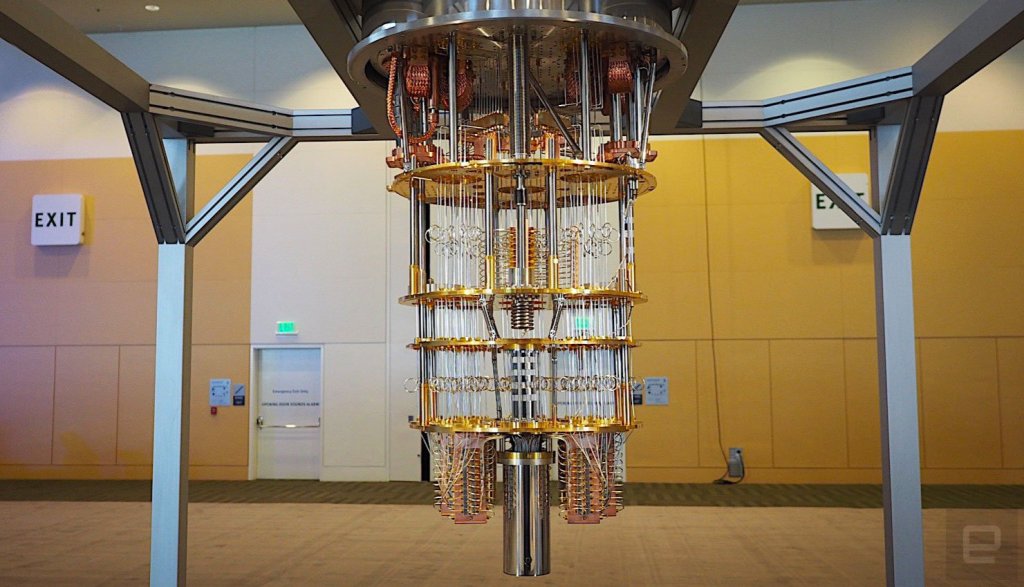
In January 2025, IBM unveiled its latest breakthrough in quantum computing: a commercial quantum computer accessible via the internet for users to submit quantum calculations. While not available for retail purchase, this development marks a significant step toward broader accessibility of quantum computing technology. To fully appreciate this milestone, it’s essential to understand what quantum computers are and their transformative potential.
The Power of Quantum Computing
Quantum computers represent a paradigm shift in computational capability, far surpassing the limits of even the most advanced classical computers. Unlike traditional systems, quantum computers leverage the unique properties of subatomic particles—superposition and entanglement—through quantum bits, or “qubits.” While classical computers process bits as either 0 or 1, qubits can exist in a superposition of both states simultaneously, enabling quantum computers to tackle complex problems with unprecedented efficiency. This capability promises breakthroughs in fields like cryptography, materials science, and medicine, solving problems once deemed intractable for classical systems.
However, quantum computing is still in its early stages. IBM’s latest quantum computer, while a significant achievement, is not yet considered a “true” quantum computer by researchers. The industry’s ultimate goal is achieving quantum supremacy—a state where quantum computers perform calculations beyond the reach of even the most powerful classical supercomputers. This milestone remains a work in progress but is a driving force for companies like IBM and other global players.
Coexistence of Classical and Quantum Systems
Quantum computers are unlikely to replace classical computers entirely. Instead, the two will likely coexist, each excelling in specific domains. Classical computers will remain essential for everyday tasks, while quantum computers will dominate in specialized areas, such as finding large prime numbers—a critical function in cryptography. Quantum computers can perform such calculations exponentially faster than classical systems, posing both opportunities and challenges for cybersecurity.
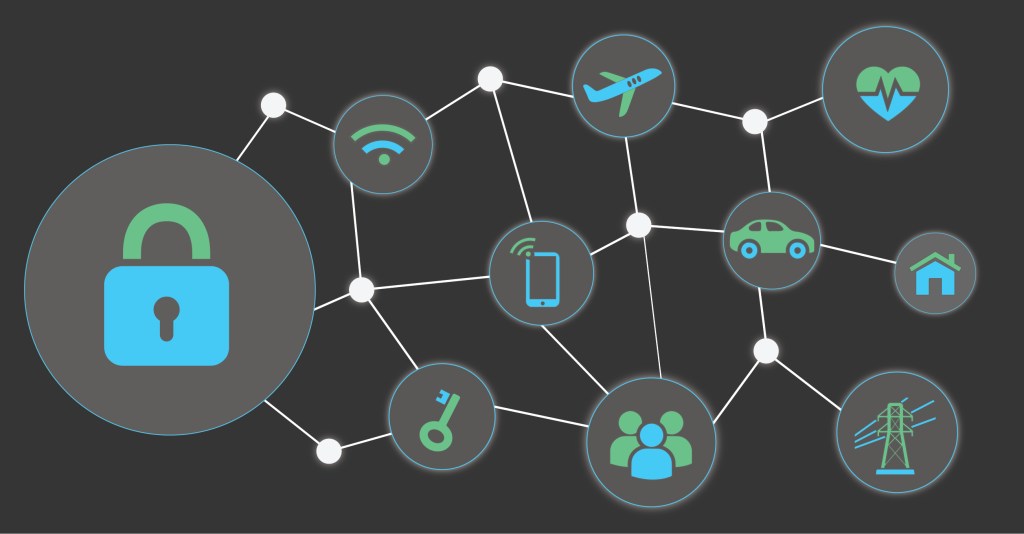
For instance, an IBM researcher has warned that quantum computers could potentially break even the most robust encryption protocols almost instantly, a task that would take classical computers billions of years. This capability places encryption in a precarious position, necessitating the development of quantum-resistant cryptographic methods as quantum technology matures.
Emerging Challenges: Quantum Malware
Like classical computers, quantum computers are not immune to security threats. While quantum malware remains a theoretical concern for now, its emergence could become a reality as quantum computing proliferates. Security professionals will need to adapt to this new domain, developing expertise in quantum cybersecurity. On the flip side, quantum computing offers opportunities to enhance security through quantum cryptography, currently the most secure method for transmitting messages, promising a new frontier in secure communication.
Quantum Computing and Artificial Intelligence
Quantum computing also holds immense potential for artificial intelligence (AI). Experts agree that quantum computers could accelerate AI research, enabling smarter and more capable systems. Virtual assistants like Siri could evolve beyond their current limitations, offering seamless interactions and advanced problem-solving capabilities. Some speculate that quantum computing could even pave the way for sentient AI, a prospect that is both groundbreaking and, for some, unsettling. The synergy between quantum computing and AI promises to redefine technological boundaries.
Global Race for Quantum Supremacy
China is currently leading the quantum computing race, investing billions in research and development to maintain its edge. With nearly 500 quantum technology patents compared to the United States’ 248, China’s advancements are significant. The nation is also actively recruiting Chinese scientists from foreign labs, offering incentives to bolster domestic innovation. This leadership raises concerns in Western nations, as a quantum-superior China could neutralize espionage efforts and expand its global influence by exporting advanced quantum technologies.
Despite these competitive dynamics, collaboration between Chinese and Western scientists could accelerate progress in quantum computing, benefiting the global scientific community. Such partnerships could drive innovation, ensuring that quantum advancements are shared for the greater good.
Looking Ahead
As we stand on the cusp of the 2030s, the progress in quantum computing over the past decade is remarkable. IBM’s latest quantum computer, though not yet a retail product, signals a future where quantum and classical systems coexist, each pushing the boundaries of what’s possible. While challenges like quantum malware and encryption vulnerabilities loom, the potential for breakthroughs in AI, cryptography, and scientific discovery is immense. The coming decade promises to be a transformative era for quantum computing—let’s hope it roars as boldly as the 1920s, but with a brighter, more stable conclusion.
 Wars of Zeros and Ones