Blackout: Can the Power Grid be taken down by cyber-criminals?

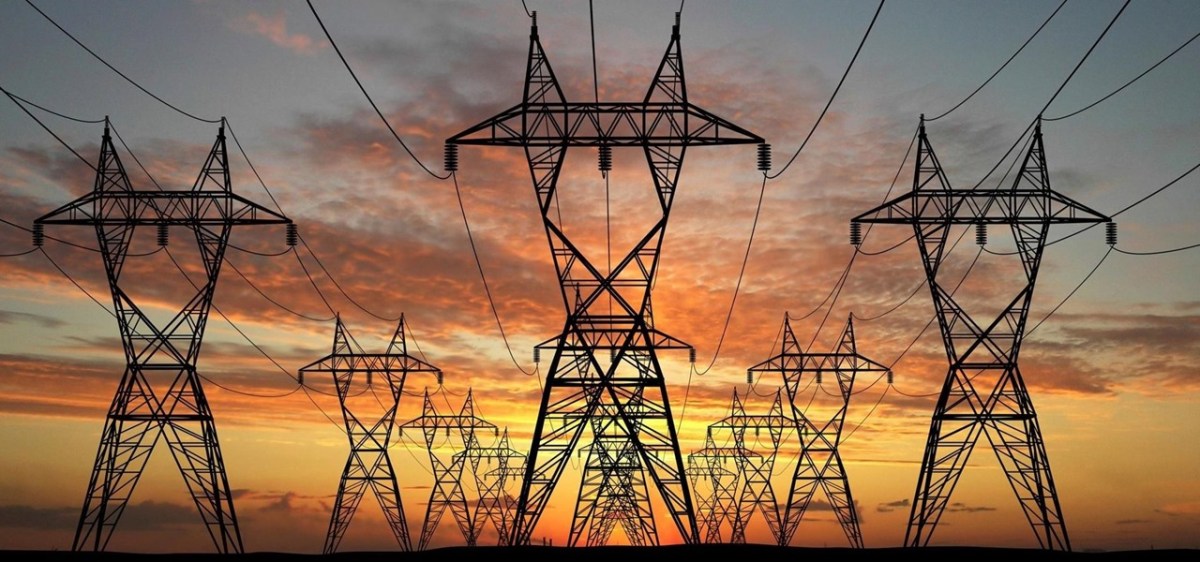
A cyber-attack on the U.S. power grid could cause widespread disruption, costing millions and endangering lives. Robust defenses and coordinated response plans are critical.

Cybersecurity Threats to the U.S. Power Grid

The power grid is a cornerstone of modern society, seamlessly powering homes, businesses, and critical infrastructure. Yet, its reliability is so ingrained in daily life that it often goes unnoticed—until it fails. While cyber-attacks on personal devices or corporate networks dominate headlines, the notion of a cyber-attack targeting the power grid may seem improbable. However, the 2015 cyber-attack on Ukraine’s power grid, which disrupted electricity for several hours, demonstrated that such an event is not only possible but could have far-reaching consequences if prolonged. This incident raises a critical question: could the United States face a similar threat, and if so, how prepared is the nation to respond?

The Complexity of Attacking a Power Grid

A cyber-attack on a power grid is not akin to hacking a single computer. It requires meticulous orchestration, exploiting vulnerabilities in complex, interconnected systems that blend operational technology (OT) with information technology (IT). Power grids rely on supervisory control and data acquisition (SCADA) systems, which manage electricity distribution, and these systems are increasingly digitized, making them potential targets. The Ukraine attack, attributed to sophisticated actors, involved malware that disrupted control systems, highlighting the level of expertise required for such an operation.

While the Ukraine outage lasted only a few hours, a prolonged disruption—lasting days or weeks—could be catastrophic. The U.S. power grid, while robust, is not immune. Though the likelihood of a successful, large-scale cyber-attack remains low due to the grid’s complexity and existing safeguards, even a small risk warrants serious preparation.

Potential Consequences of a U.S. Power Grid Attack

A sustained power outage across multiple states would unleash widespread disruption. The economic toll could reach hundreds of millions, if not billions, of dollars, affecting industries, supply chains, and essential services. Hospitals, reliant on electricity for life-saving equipment, could face dire challenges, potentially leading to loss of life. Water treatment plants, transportation systems, and communication networks would also be compromised, amplifying the chaos. Such an attack, given its scale and intent, would likely be classified as an act of war, triggering significant geopolitical ramifications.

Current Preparedness and Gaps

U.S. power companies have developed contingency plans to address such scenarios, emphasizing rapid response and coordination. These plans involve collaboration among utilities to restore power quickly and communication with federal and state governments, particularly in multi-state incidents. The Department of Energy and the Federal Energy Regulatory Commission (FERC) play key roles in overseeing grid security, while the North American Electric Reliability Corporation (NERC) enforces cybersecurity standards, such as the Critical Infrastructure Protection (CIP) protocols.

Despite these efforts, some cybersecurity experts argue that current plans have significant shortcomings. Vulnerabilities include outdated infrastructure, inconsistent adoption of cybersecurity best practices across utilities, and insufficient simulation of large-scale attack scenarios. For instance, many systems still rely on legacy equipment that predates modern cybersecurity threats, making them harder to secure. Additionally, the decentralized nature of the U.S. grid, while a strength in some respects, can complicate coordinated responses.

Recommendations for Enhanced Resilience

To bolster defenses, power companies and regulators should prioritize the following:

  1. Modernize Infrastructure: Upgrade legacy systems with secure, resilient technologies and implement robust encryption for SCADA and other critical systems.

  2. Enhance Cybersecurity Standards: Strengthen NERC CIP requirements, ensuring uniform compliance across all utilities, and conduct regular audits to identify weaknesses.

  3. Conduct Realistic Simulations: Perform large-scale, multi-utility cyber-attack drills to test response plans and identify gaps in coordination.

  4. Foster Public-Private Collaboration: Deepen partnerships between utilities, government agencies, and cybersecurity firms to share threat intelligence and best practices.

  5. Invest in Workforce Training: Equip grid operators with advanced cybersecurity skills to detect and mitigate threats in real time.

Conclusion

The U.S. power grid remains a critical yet underappreciated lifeline. While a cyber-attack on the scale required to cause widespread disruption is unlikely, the potential consequences are too severe to ignore. The 2015 Ukraine attack serves as a stark reminder of what is possible, and the U.S. must take proactive steps to fortify its defenses. By addressing vulnerabilities, enhancing response plans, and fostering collaboration, the nation can better safeguard its power grid against an evolving cyber threat landscape, ensuring the lights stay on for all.
An Eye On Tech – Quantum Computing

Quantum computers promise breakthroughs in science, medicine, and AI, but their ability to break encryption raises cybersecurity concerns, reshaping society’s technological and security landscape.?

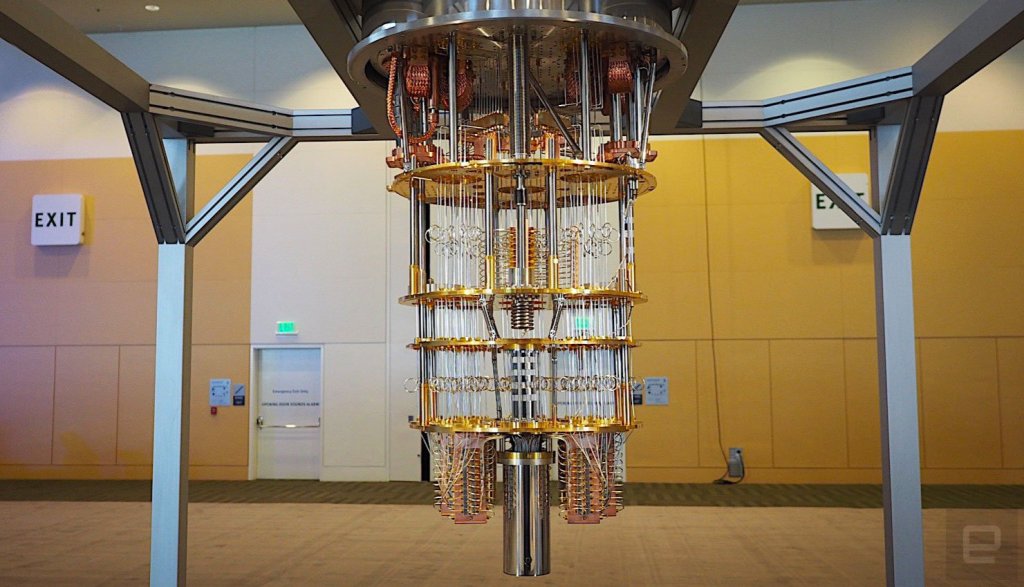
IBM’s Quantum Computer

Quantum Computing: A New Era of Computational Power

In January 2025, IBM unveiled its latest breakthrough in quantum computing: a commercial quantum computer accessible via the internet for users to submit quantum calculations. While not available for retail purchase, this development marks a significant step toward broader accessibility of quantum computing technology. To fully appreciate this milestone, it’s essential to understand what quantum computers are and their transformative potential.

The Power of Quantum Computing

Quantum computers represent a paradigm shift in computational capability, far surpassing the limits of even the most advanced classical computers. Unlike traditional systems, quantum computers leverage the unique properties of subatomic particles—superposition and entanglement—through quantum bits, or “qubits.” While classical computers process bits as either 0 or 1, qubits can exist in a superposition of both states simultaneously, enabling quantum computers to tackle complex problems with unprecedented efficiency. This capability promises breakthroughs in fields like cryptography, materials science, and medicine, solving problems once deemed intractable for classical systems.

However, quantum computing is still in its early stages. IBM’s latest quantum computer, while a significant achievement, is not yet considered a “true” quantum computer by researchers. The industry’s ultimate goal is achieving quantum supremacy—a state where quantum computers perform calculations beyond the reach of even the most powerful classical supercomputers. This milestone remains a work in progress but is a driving force for companies like IBM and other global players.

Coexistence of Classical and Quantum Systems

Quantum computers are unlikely to replace classical computers entirely. Instead, the two will likely coexist, each excelling in specific domains. Classical computers will remain essential for everyday tasks, while quantum computers will dominate in specialized areas, such as finding large prime numbers—a critical function in cryptography. Quantum computers can perform such calculations exponentially faster than classical systems, posing both opportunities and challenges for cybersecurity.

For instance, an IBM researcher has warned that quantum computers could potentially break even the most robust encryption protocols almost instantly, a task that would take classical computers billions of years. This capability places encryption in a precarious position, necessitating the development of quantum-resistant cryptographic methods as quantum technology matures.

Emerging Challenges: Quantum Malware

Like classical computers, quantum computers are not immune to security threats. While quantum malware remains a theoretical concern for now, its emergence could become a reality as quantum computing proliferates. Security professionals will need to adapt to this new domain, developing expertise in quantum cybersecurity. On the flip side, quantum computing offers opportunities to enhance security through quantum cryptography, currently the most secure method for transmitting messages, promising a new frontier in secure communication.

Quantum Computing and Artificial Intelligence

Quantum computing also holds immense potential for artificial intelligence (AI). Experts agree that quantum computers could accelerate AI research, enabling smarter and more capable systems. Virtual assistants like Siri could evolve beyond their current limitations, offering seamless interactions and advanced problem-solving capabilities. Some speculate that quantum computing could even pave the way for sentient AI, a prospect that is both groundbreaking and, for some, unsettling. The synergy between quantum computing and AI promises to redefine technological boundaries.

Global Race for Quantum Supremacy

China is currently leading the quantum computing race, investing billions in research and development to maintain its edge. With nearly 500 quantum technology patents compared to the United States’ 248, China’s advancements are significant. The nation is also actively recruiting Chinese scientists from foreign labs, offering incentives to bolster domestic innovation. This leadership raises concerns in Western nations, as a quantum-superior China could neutralize espionage efforts and expand its global influence by exporting advanced quantum technologies.

Despite these competitive dynamics, collaboration between Chinese and Western scientists could accelerate progress in quantum computing, benefiting the global scientific community. Such partnerships could drive innovation, ensuring that quantum advancements are shared for the greater good.

Looking Ahead

As we stand on the cusp of the 2030s, the progress in quantum computing over the past decade is remarkable. IBM’s latest quantum computer, though not yet a retail product, signals a future where quantum and classical systems coexist, each pushing the boundaries of what’s possible. While challenges like quantum malware and encryption vulnerabilities loom, the potential for breakthroughs in AI, cryptography, and scientific discovery is immense. The coming decade promises to be a transformative era for quantum computing—let’s hope it roars as boldly as the 1920s, but with a brighter, more stable conclusion.

A Very Connected World

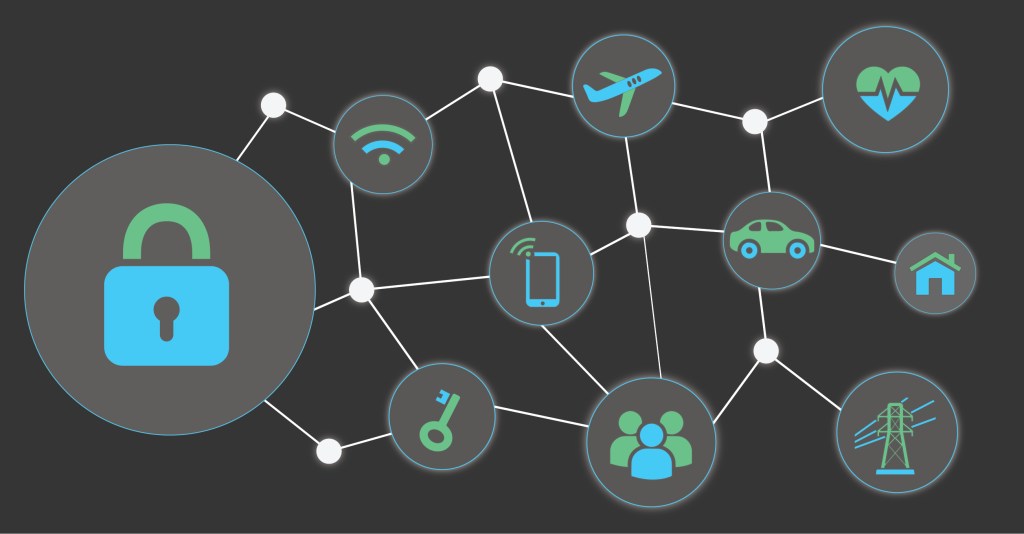
The Internet of Things promises unparalleled convenience, but at what cost? Smart devices offer control, yet expose us to privacy breaches and cyber vulnerabilities.

The Siren Song of the Internet of Things: Convenience at the Cost of Vulnerability

In Ancient Greek mythology, sailors navigating the Mediterranean and Aegean seas faced myriad perils, none more beguiling than the sirens. These creatures, often depicted as half-woman, half-bird, used their enchanting songs to lure mariners to their doom, their ships shattered against treacherous rocks. Though rooted in ancient lore, the siren’s allure serves as a potent metaphor for a modern phenomenon: the rise of the Internet of Things (IoT) and its promise of convenience at the potential cost of security and privacy.

The Allure of the Smart Home

In today’s fast-paced world, convenience is king. The advent of “smart homes” exemplifies this, offering unparalleled control over one’s living environment through a single device: the smartphone. Forgot to lock the door while miles away? A few taps on your phone resolve the issue. Left the lights on? Your phone has you covered. Cozy in bed but need the lights off? Reach for your phone. The ability to manage nearly every aspect of a home remotely appeals to those who prioritize efficiency and peace of mind. For anxious homeowners, the knowledge that potential oversights can be rectified instantly is a powerful draw.

Tech enthusiasts, too, are captivated by IoT devices. These early adopters eagerly embrace cutting-edge technology, often camping outside stores to secure the latest iPhone or iPad. Their enthusiasm fuels the rapid adoption of smart home systems, transforming houses into interconnected hubs of innovation.

The Hidden Dangers of Connectivity

Yet, much like the sirens’ songs, the promise of IoT may conceal significant risks. The very devices designed to enhance security and convenience can erode privacy and expose users to new vulnerabilities. IoT devices generate vast amounts of data, which companies often collect and share with advertisers. A smart home equipped with connected thermostats, cameras, and appliances becomes a treasure trove of personal information, enabling advertisers to craft highly targeted campaigns. This unprecedented access to consumer data raises serious privacy concerns, as individuals trade personal information for convenience.

Moreover, the reliance on smartphones as the central control hub for IoT devices introduces a single point of failure. Losing a phone is inconvenient; losing control of your smart home is catastrophic. A malicious actor with access to a homeowner’s phone could manipulate connected devices, from unlocking doors to disabling security systems, all without needing to be physically present. While a stolen key poses a localized threat, a compromised phone grants remote access to an entire home, amplifying the potential for harm.

Beyond the Home: IoT in Automobiles

The IoT’s reach extends beyond the home, infiltrating industries like automotive manufacturing. Tesla, led by visionary entrepreneur Elon Musk, has become synonymous with innovation in electric vehicles. Features like self-driving capabilities and remote summoning—where a car can be called to its owner’s location via a smartphone app—represent remarkable technological achievements. Forgetting where you parked is no longer a concern; your car comes to you. Yet, these advancements come with vulnerabilities. A hacked vehicle could be manipulated remotely, posing risks to both the owner and others on the road. The integration of IoT into cars transforms them from mechanical assets into potential cyber liabilities.

A Modern Siren’s Call

At its core, the proliferation of IoT devices increases individual vulnerability. In the year 2000, cyber threats were largely confined to computers. Today, nearly two decades into the 21st century, the average person is surrounded by a constellation of internet-connected devices, each a potential entry point for cyberattacks. A single compromised device—be it a smart lock, thermostat, or vehicle—could have cascading consequences, undermining the very security it was meant to enhance.

The allure of IoT is undeniable, promising a life of ease and efficiency. Yet, much like the sailors of ancient Greece, we must navigate these tempting waters with caution. For some, the risks outweigh the rewards, leading them to favor traditional, mechanical solutions—like a sturdy lock—that offer reliability without the specter of cyber vulnerabilities. As we chart the future of technology, we must ask ourselves: is the convenience of the IoT worth the price of our privacy and security? Or are we, like the sailors of old, being lured toward unseen rocks by a modern siren’s song?

Blood & Silicon

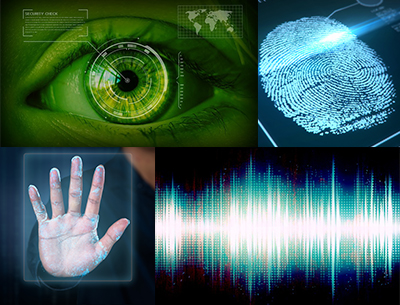
Biometric technology, blending biology and circuits, enhances security but sparks privacy debates. From fingerprint unlocking to behavioral analysis, its rise challenges the balance between convenience and personal data protection.

The Rise of Biometric Technology: Balancing Security and Privacy

As technology advances, the integration of biology and circuits has transformed from the realm of science fiction into a tangible reality. Biometric technology, driven by the need for enhanced security, has become a cornerstone of modern society. Its ability to restrict access to authorized individuals has made it a powerful tool, exemplified by features like fingerprint unlocking on Apple’s iPhone models. This innovation not only bolsters security but also streamlines user experience, captivating those eager to witness the frontiers of technological progress. However, the rise of biometrics has sparked a familiar debate: the trade-off between convenience and privacy.

Biometric Authentication: Biology and Behavior

Biometric systems verify identity through two primary methods: biological and behavioral. Biological biometrics include technologies such as retina scans, facial recognition, palm scans, and even odor detection. Behavioral biometrics, or “behaviormetrics,” elevate authentication to a new level by analyzing traits like voice patterns, typing rhythms, or gait. Often dubbed the “holy grail of authentication,” behaviormetrics offer unparalleled security, making it nearly impossible for malicious actors to replicate. Unlike traditional passwords, which can be stolen or guessed, biometric systems provide robust protection, attracting the attention of corporations and governments seeking to fortify their security frameworks.

As a result, many entities are phasing out conventional security measures in favor of biometric and behaviometric systems. The enhanced security is undeniable, but the growing prevalence of these technologies raises significant concerns about privacy.

The Privacy Dilemma

Privacy, a fundamental human value, has faced increasing challenges in the digital age. Biometric technology intensifies this tension. While individuals may hesitate to share personal details like addresses or bank card information online—fearing data breaches—these can be changed if compromised. Biometric data, however, is immutable. Your DNA, retina, or iris cannot be altered, making biometric data exceptionally sensitive and valuable. For instance, advertising agencies could exploit facial recognition technology in public spaces, such as malls, to identify individuals, access their data from a database, and tailor advertisements in real time to maximize persuasion. This scenario, while innovative, raises discomfort for those wary of pervasive surveillance.

Law Enforcement and Ethical Concerns

Law enforcement agencies worldwide have embraced biometrics to enhance public safety. Strategically placed biometric cameras can identify wanted individuals or locate missing persons in crowded spaces. Behaviometrics could even predict criminal behavior by analyzing subtle behavioral cues, potentially preventing crimes before they occur. However, these advancements come with risks. Critics, including prominent voices in privacy advocacy, warn of potential errors leading to wrongful arrests or the misuse of such powerful tools. As biometric technology becomes more widespread, it is likely to ignite heated debates across society about its ethical implications.

The Threat of Identity Theft

The specter of identity theft looms large in the biometric landscape. If a malicious actor gains access to an individual’s biometric data—particularly for someone with access to sensitive systems or assets—the consequences could be catastrophic. Unlike passwords, which can be reset, compromised biometric data cannot be changed. If a breach occurs, the only recourse may be to remove the individual’s biometric profile from the system entirely, potentially locking them out of critical services or employment. This creates a unique vulnerability: a permanent loss of access to prevent unauthorized use.

Navigating the Future of Biometrics

Biometric technology is undeniably transformative, offering unmatched security and convenience. Yet, its growing sophistication and ubiquity amplify concerns about privacy and misuse. For those who prioritize personal privacy, avoiding biometric systems whenever possible is advisable. When unavoidable, their use should be minimized to safeguard sensitive data. As society continues to grapple with the implications of biometrics, individuals must weigh the benefits of enhanced security against the enduring value of privacy.

Design a site like this with WordPress.com
Get started