The Cell Phone, a double-edged sword

The cell phone, a marvel of engineering, revolutionized global communication. Evolving from simple calls to multifunctional devices, smartphones now face significant cybersecurity threats, necessitating vigilant protection.

The Evolution and Security Challenges of Cell Phones

Introduction

The cell phone, a transformative invention, stands as a testament to human ingenuity in science and engineering. Since its inception in 1973 by Martin Cooper of Motorola, the cell phone has evolved from a rudimentary communication device to a sophisticated, multifunctional tool that has reshaped global connectivity. Initially designed solely for voice calls, modern cell phones now serve as miniature computers, enabling users to capture photographs, play music, record videos, and access the internet with unprecedented ease. This remarkable evolution has placed immense power in the hands of the everyday person, marking the cell phone as a pinnacle of human engineering achievement. However, this technological marvel is not without its challenges. The advanced capabilities of modern cell phones, while enhancing convenience, have also introduced significant security vulnerabilities. As these devices become ubiquitous, they are increasingly targeted by cybercriminals, raising critical concerns about user privacy and data protection. This essay explores the historical development of the cell phone, its transformative impact on society, the growing cybersecurity threats it faces, and actionable strategies for users to safeguard their devices.

The Historical Evolution of the Cell Phone

The cell phone’s journey began on April 3, 1973, when Martin Cooper made the first mobile phone call using a Motorola prototype. Weighing over two pounds and offering a mere 30 minutes of talk time, this early device, known as the Motorola DynaTAC, was a far cry from today’s sleek smartphones. Its sole function was voice communication, and its bulky design and limited battery life reflected the technological constraints of the era. Despite these limitations, the DynaTAC marked a revolutionary step, introducing the concept of mobile telephony and laying the foundation for future innovations.

Throughout the 1980s and 1990s, cell phones became more compact and accessible, with improvements in battery life and network infrastructure. The introduction of 2G networks in the early 1990s enabled text messaging and basic data services, expanding the utility of mobile devices. By the late 1990s, brands like Nokia and BlackBerry popularized features such as customizable ringtones, basic games, and email access, transforming cell phones into lifestyle accessories.

The launch of the Apple iPhone in 2007 marked a turning point in cell phone history. With its touchscreen interface, internet connectivity, and app ecosystem, the iPhone redefined the cell phone as a multifunctional device. Competitors like Samsung, Google, and others followed suit, integrating cameras, GPS, music players, and web browsers into their devices. Today’s smartphones are equipped with advanced processors, high-resolution displays, and artificial intelligence capabilities, making them indispensable tools for communication, work, and entertainment.

This evolution has been driven by relentless innovation in hardware and software. Miniaturization of components, advancements in semiconductor technology, and the development of high-speed mobile networks (from 3G to 5G) have enabled cell phones to perform tasks once reserved for desktop computers. The modern smartphone is a testament to human engineering prowess, offering computing power that rivals early supercomputers in a pocket-sized form factor.

The Transformative Impact of Cell Phones

The cell phone’s impact on society is profound, reshaping how individuals communicate, work, and interact with the world. By enabling near-instantaneous communication across continents, cell phones have bridged geographical divides, fostering global connectivity. Social media platforms, messaging apps, and video conferencing tools have made it possible for people to maintain relationships, collaborate professionally, and share knowledge in real time.

Beyond communication, cell phones have democratized access to information and services. Mobile banking, e-commerce, and educational apps have empowered individuals in remote and underserved regions, providing access to financial services and learning opportunities that were previously out of reach. In healthcare, smartphones facilitate telemedicine, fitness tracking, and health monitoring, improving quality of life. In entertainment, they offer streaming services, gaming, and content creation tools, enabling users to produce and share media with global audiences.

The cell phone’s versatility has made it an essential tool for the everyday person. With a single device, users can navigate unfamiliar cities, manage schedules, capture life’s moments, and stay informed about global events. This convergence of functionalities underscores the cell phone’s status as a pinnacle of human achievement, embodying decades of scientific and engineering advancements.

Security Challenges in the Smartphone Era

Despite their benefits, cell phones present significant security challenges. As smartphones have become more powerful and ubiquitous, they have also become prime targets for cyberattacks. A 2012 report by the United States Computer Emergency Readiness Team (US-CERT), a division of the Department of Homeland Security, highlighted that cell phone security had not kept pace with that of traditional computers. The report noted that as cell phone ownership surged, so did the frequency and sophistication of cyberattacks targeting these devices. Given that this report is now over a decade old, and considering the exponential growth in smartphone adoption and capabilities since then, it is reasonable to infer that these vulnerabilities have only intensified.

Smartphones are particularly vulnerable due to their multifunctionality and constant connectivity. Features such as cameras, microphones, GPS, and internet access, while convenient, provide multiple entry points for malicious actors. Cybercriminals can exploit these vulnerabilities to steal personal data, monitor user activities, or even take control of the device. Common threats include malware, phishing attacks, unsecured Wi-Fi connections, and vulnerabilities in outdated software.

For instance, malware disguised as legitimate apps can infiltrate a device, accessing sensitive information such as passwords, financial details, or personal communications. Phishing attacks, often delivered via text messages or emails, trick users into revealing login credentials or installing malicious software. Unsecured Wi-Fi networks, frequently used in public spaces, allow attackers to intercept data transmitted to and from the device. Additionally, unpatched operating systems or apps can contain vulnerabilities that hackers exploit to gain unauthorized access.

The misconception that smartphone security is as robust as that of computers exacerbates these risks. Unlike computers, which often have comprehensive antivirus software and regular security updates, smartphones rely heavily on user diligence and built-in security features, which may not be sufficient against advanced threats. Moreover, the portability and constant use of smartphones make them more susceptible to physical theft or loss, further compromising sensitive data if not properly secured.

The Double-Edged Sword of Cell Phone Features

The very features that make cell phones indispensable also contribute to their vulnerabilities, rendering them a double-edged sword. For example, biometric authentication, such as fingerprint or facial recognition, enhances user convenience by simplifying device access. However, these technologies are not foolproof. Sophisticated attackers can bypass biometric security through techniques like fingerprint spoofing or facial recognition manipulation. Similarly, cloud connectivity, which enables seamless data backup and synchronization, can expose personal information if not adequately encrypted or if users fall victim to phishing scams targeting cloud credentials.

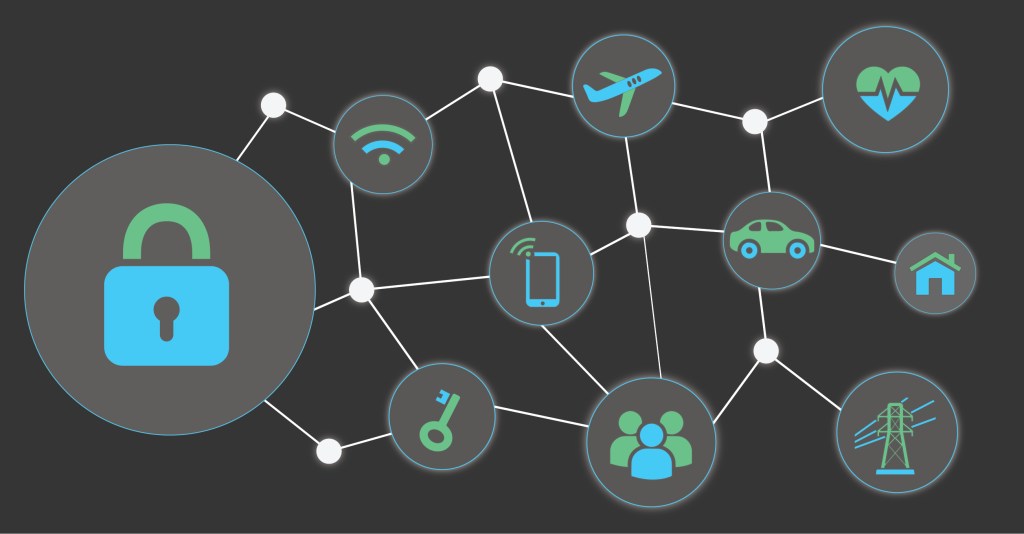
The integration of Internet of Things (IoT) devices with smartphones further amplifies these risks. Smartphones often serve as control hubs for smart home devices, wearables, and other connected technologies. A compromised smartphone can provide attackers with a gateway to manipulate these devices, potentially compromising physical security, such as unlocking smart doors or disabling security cameras.

The constant evolution of cell phone technology introduces additional challenges. Each new feature, from augmented reality to voice assistants, expands the attack surface. As manufacturers race to deliver cutting-edge functionalities, security considerations can sometimes take a backseat, leaving devices vulnerable to exploitation. This dynamic underscores the need for proactive measures to protect cell phones from cyber threats.

Strategies for Protecting Cell Phones from Cyberattacks

To mitigate the risks associated with smartphone use, users must adopt a proactive and vigilant approach to security. Below are actionable strategies to safeguard cell phones from cyberattacks:

  1. Keep Software Updated: Regularly update the phone’s operating system and apps to patch known vulnerabilities. Manufacturers and developers release updates to address security flaws, and delaying these updates can leave devices exposed.

  2. Use Strong Authentication: Enable biometric authentication (e.g., fingerprint or facial recognition) and combine it with a strong PIN or password. Avoid easily guessable PINs, such as “1234” or birthdays, and consider using a password manager to generate and store complex passwords.

  3. Install Reputable Security Software: Use trusted antivirus and antimalware apps designed for mobile devices. These tools can detect and remove malicious software, providing an additional layer of protection.

  4. Be Cautious with App Downloads: Only download apps from official stores, such as the Apple App Store or Google Play Store, which vet apps for security. Avoid third-party app sources, which may host malicious software, and review app permissions to ensure they align with the app’s functionality.

  5. Avoid Public Wi-Fi: Refrain from connecting to unsecured public Wi-Fi networks, which are prime targets for data interception. If public Wi-Fi is necessary, use a virtual private network (VPN) to encrypt internet traffic.

  6. Enable Two-Factor Authentication (2FA): Activate 2FA for critical accounts, such as email, banking, and social media. This adds an extra layer of security by requiring a second form of verification, such as a code sent to another device or email.

  7. Be Wary of Phishing Attempts: Avoid clicking on suspicious links or attachments in emails, text messages, or messaging apps. Verify the sender’s identity before providing personal information, and be cautious of urgent or unsolicited requests.

  8. Encrypt and Back Up Data: Enable device encryption to protect data in case of theft or loss. Regularly back up important data to a secure cloud service or external storage, ensuring recovery options are available.

  9. Disable Unused Features: Turn off features like Bluetooth, NFC, or location services when not in use to reduce potential entry points for attackers.

  10. Monitor Device Activity: Regularly check for unusual activity, such as unexpected battery drain, slow performance, or unfamiliar apps. If suspicious behavior is detected, run a security scan or consult a professional.

The Role of Vigilance in Cell Phone Security

Vigilance is the cornerstone of effective cell phone security. As technology evolves, so do the tactics of cybercriminals, making it essential for users to stay informed about emerging threats and best practices. Regularly reviewing privacy settings, monitoring app permissions, and staying cautious about sharing personal information can significantly reduce risks. Additionally, users should educate themselves about common attack vectors, such as phishing and social engineering, to recognize and avoid potential threats.

Manufacturers and developers also play a critical role in enhancing cell phone security. By prioritizing robust encryption, timely software updates, and user-friendly security features, they can help mitigate vulnerabilities. Collaboration between industry, government, and cybersecurity experts is essential to address the growing threat landscape and ensure that cell phones remain secure as they continue to evolve.

Conclusion

The cell phone represents a monumental achievement in human innovation, transforming from a simple communication tool into a multifaceted device that empowers individuals worldwide. Its ability to connect people, provide access to information, and enhance daily life underscores its significance as a cornerstone of modern technology. However, the advanced capabilities that make cell phones indispensable also expose them to significant cybersecurity risks. As highlighted by the 2012 US-CERT report, the security of cell phones has lagged behind that of computers, and the growing popularity of smartphones has only amplified these vulnerabilities. By adopting proactive security measures—such as keeping software updated, using strong authentication, and exercising caution with app downloads and public Wi-Fi—users can protect their devices from cyberattacks. Ultimately, the cell phone’s status as a double-edged sword underscores the importance of balancing its remarkable capabilities with vigilant security practices to ensure it remains a tool for empowerment rather than a liability.

Heart Attack: The Looming danger of internet-connected cardiac devices

Modern cardiac devices, powered by advanced computers, enhance patient care but face cybersecurity risks. Vulnerabilities could lead to device manipulation, causing pain, injury, or death.

The Cybersecurity Risks of Modern Cardiac Devices

Introduction

We are living in an unprecedented era, characterized by an extraordinary level of global connectivity and technological advancement. In just four decades—a mere moment in the grand sweep of human history—the world has undergone a profound transformation, driven largely by the rapid evolution of the computer. From bulky mainframes to sleek, powerful devices that fit in the palm of our hands, computers have reshaped every facet of modern life. Their capabilities continue to expand, becoming faster, smaller, and more integrated into our daily routines. Among the many innovations enabled by this technological revolution, one stands out for its life-saving potential and, increasingly, its vulnerability: the modern cardiac device. Equipped with sophisticated computing systems and internet connectivity, these devices represent a pinnacle of medical engineering. However, their connectivity raises a critical question: can they be compromised? This essay explores the cybersecurity risks associated with internet-enabled cardiac devices, the potential consequences of such vulnerabilities, and the urgent need for robust security measures to protect patients and manufacturers alike.

The Rise of the Computerized Cardiac Device

Cardiac devices, such as pacemakers and implantable cardioverter-defibrillators (ICDs), have long been vital tools in managing heart conditions. These devices regulate heart rhythms, deliver life-saving shocks during arrhythmias, and monitor patient health in real time. What sets modern cardiac devices apart from their predecessors is the integration of small, powerful computers that enable advanced functionality. These embedded systems allow devices to collect and transmit data, communicate with external systems, and even receive software updates remotely. For patients, this means improved care through real-time monitoring and personalized adjustments. For healthcare providers, it offers unprecedented access to diagnostic data, enabling timely interventions.

The connectivity of these devices is a double-edged sword. On one hand, internet-enabled cardiac devices can connect to secure servers maintained by manufacturers, allowing for seamless updates to firmware and security protocols. This capability ensures that devices remain up-to-date with the latest advancements, potentially extending their lifespan and improving patient outcomes. On the other hand, any device connected to the internet is inherently exposed to cyber threats. The very feature that makes these devices revolutionary—their ability to interface with the digital world—also makes them potential targets for malicious actors.

The Cybersecurity Threat to Cardiac Devices

In January 2017, the U.S. Food and Drug Administration (FDA) issued a report highlighting vulnerabilities in cardiac devices manufactured by St. Jude Medical (now part of Abbott). The report revealed that these devices were susceptible to exploitation by cybercriminals, who could potentially gain unauthorized access to their systems. Such a breach could allow attackers to manipulate the device’s functionality, including altering its settings, disabling critical operations, or even triggering harmful actions. While St. Jude Medical promptly released software updates to address these vulnerabilities, the incident underscored a sobering reality: no connected device is immune to cyber threats.

The implications of a compromised cardiac device are uniquely dire. Unlike a hacked computer or smartphone, which might result in data loss or financial damage, a compromised cardiac device could have catastrophic consequences for the patient. A cybercriminal could, in theory, instruct the device to deliver inappropriate shocks, stop performing its life-saving functions, or manipulate its settings to induce pain, injury, or even death. The malicious intent behind such an attack is particularly chilling, as it targets the most vulnerable aspect of a patient’s health—their heart. While no confirmed cases of cardiac device cyberattacks have been reported as of 2025, the potential for such incidents remains a significant concern, particularly as the number of connected medical devices continues to grow.

The Unique Nature of the Threat

What makes the cybersecurity threat to cardiac devices particularly alarming is the combination of technical vulnerability and human impact. A cyberattack on a cardiac device is not merely a breach of data privacy; it is a direct assault on a patient’s physical well-being. The stakes are extraordinarily high, as the consequences of a successful attack could be immediate and irreversible. For instance, a pacemaker that is instructed to stop functioning could lead to cardiac arrest, while an ICD delivering unnecessary shocks could cause severe physical and psychological trauma.

Moreover, the psychological toll on patients who rely on these devices cannot be overlooked. The knowledge that their life-sustaining implant could be vulnerable to hacking may erode trust in the medical system and cause significant anxiety. For patients already managing chronic heart conditions, this added layer of fear could exacerbate their stress and negatively impact their overall health.

The motivations behind such attacks could vary widely. A cybercriminal might target a specific individual for personal or political reasons, exploiting the device as a weapon. Alternatively, attackers could launch broader campaigns to extort money from patients, healthcare providers, or manufacturers by threatening to compromise devices en masse. In extreme cases, state-sponsored actors or terrorist groups could target cardiac devices as part of a larger cyberwarfare strategy, aiming to sow chaos or undermine public confidence in healthcare infrastructure.

The Response from Manufacturers and Regulators

The FDA’s 2017 report on St. Jude Medical’s cardiac devices was a wake-up call for the medical device industry. Since then, manufacturers have taken steps to bolster the cybersecurity of their products. Software patches, encryption protocols, and secure authentication mechanisms have become standard features in modern cardiac devices. However, these measures are not foolproof. Cybersecurity is a dynamic field, with new vulnerabilities and attack methods emerging constantly. Manufacturers must remain vigilant, proactively updating their devices to address newly discovered threats.

Collaboration between manufacturers, regulators, and cybersecurity experts is essential to staying ahead of potential threats. The FDA has played a critical role in this effort, issuing guidelines for securing medical devices and requiring manufacturers to demonstrate robust cybersecurity practices before their products can be approved. These guidelines emphasize the importance of secure design principles, such as minimizing the attack surface, implementing strong encryption, and ensuring that devices can be updated without compromising their functionality.

Despite these advancements, challenges remain. Retrofitting older devices with modern security features is often impractical, leaving patients with legacy implants at higher risk. Additionally, the rapid pace of technological innovation means that new vulnerabilities may emerge faster than manufacturers can address them. Balancing the need for security with the practical constraints of device design—such as battery life, processing power, and size—requires careful consideration and ongoing investment.

The Ethical and Legal Imperative for Robust Security

For cardiac device manufacturers, implementing strong cybersecurity measures is not just a technical necessity but an ethical and legal imperative. Patients entrust their lives to these devices, and any failure to protect them from cyber threats represents a betrayal of that trust. Manufacturers have a moral obligation to prioritize patient safety by designing devices that are as secure as possible against unauthorized access.

From a legal perspective, failing to address cybersecurity risks could expose manufacturers to significant liability. A successful cyberattack that results in patient harm could lead to lawsuits, regulatory fines, and reputational damage. In an era where data breaches and cyberattacks are increasingly common, companies that neglect cybersecurity do so at their own peril. Proactive investment in security not only protects patients but also safeguards manufacturers from financial and legal consequences.

Furthermore, the broader healthcare ecosystem has a role to play in ensuring the security of connected medical devices. Hospitals, clinics, and healthcare providers must implement robust cybersecurity protocols to protect the networks and systems that interact with these devices. This includes securing patient data, monitoring for suspicious activity, and educating staff about the risks of cyberattacks. By fostering a culture of cybersecurity awareness, the healthcare industry can create a more resilient defense against potential threats.

The Path Forward: Building a Secure Future for Cardiac Devices

Addressing the cybersecurity risks of cardiac devices requires a multifaceted approach that combines technological innovation, regulatory oversight, and industry collaboration. Several key strategies can help mitigate these risks and ensure the safety of patients:

  1. Secure by Design: Manufacturers must adopt a “secure by design” philosophy, integrating cybersecurity considerations into every stage of the device development process. This includes using secure coding practices, minimizing unnecessary connectivity features, and implementing strong encryption and authentication mechanisms.

  2. Regular Software Updates: Cardiac devices must be designed to receive regular software updates without compromising their functionality. Manufacturers should establish secure channels for delivering updates and ensure that patients and healthcare providers are informed about the importance of keeping devices up-to-date.

  3. Collaboration with Cybersecurity Experts: Manufacturers should partner with cybersecurity experts to conduct regular vulnerability assessments and penetration testing. These efforts can help identify and address potential weaknesses before they can be exploited by malicious actors.

  4. Patient Education and Transparency: Patients should be informed about the cybersecurity features of their devices and the steps they can take to protect themselves, such as avoiding unsecured networks and reporting suspicious activity. Manufacturers should also be transparent about the risks and the measures they are taking to mitigate them.

  5. Regulatory Standards and Enforcement: Regulatory bodies like the FDA should continue to strengthen cybersecurity standards for medical devices and enforce compliance through rigorous testing and audits. International collaboration can help establish global standards, ensuring consistency across markets.

  6. Investment in Research and Development: The medical device industry must invest in research to develop next-generation security technologies, such as advanced encryption methods, intrusion detection systems, and secure communication protocols tailored to the unique constraints of implantable devices.

Conclusion

The integration of computers into cardiac devices has revolutionized the treatment of heart conditions, offering patients unprecedented levels of care and connectivity. However, this technological leap comes with significant risks, as internet-enabled devices are inherently vulnerable to cyberattacks. The potential consequences of a compromised cardiac device—ranging from physical harm to loss of life—are uniquely severe, demanding urgent attention from manufacturers, regulators, and the broader healthcare community.

By prioritizing cybersecurity, the medical device industry can protect patients, uphold public trust, and mitigate legal and financial risks. The path forward requires a commitment to secure design, ongoing vigilance, and collaboration across stakeholders. As we continue to navigate this era of unprecedented connectivity, ensuring the safety and security of life-saving devices like pacemakers and ICDs is not just a technological challenge but a moral imperative. The stakes could not be higher, and the time to act is now.

A Brief History of Hacking

Hacking’s history spans from Nevil Maskelyne’s 1903 telegraph prank to modern cyber warfare, evolving with technology and challenging security across individuals, corporations, and nation-states.

A Comprehensive History of Hacking: From Early Innovations to Modern Cyber Warfare

Introduction

Hacking, often perceived as a modern phenomenon tied to the digital age, has a history that stretches back over a century, encompassing a broad spectrum of activities from technological mischief to sophisticated cyber warfare. Far from being limited to computers, hacking has evolved through inventive exploits, wartime codebreaking, and the rise of malicious cyber activities. This essay traces the history of hacking from its earliest documented instances in the early 20th century to its complex, multifaceted nature in the 21st century, highlighting key events, technological advancements, and legislative responses that have shaped its trajectory. By examining historical milestones, we gain insight into how hacking has transformed from isolated acts of ingenuity to a global challenge involving individuals, groups, and nation-states.

Early Beginnings: Hacking Before Computers (1900s–1930s)

The history of hacking predates the computer era, rooted in the manipulation of emerging technologies. One of the earliest recorded instances occurred in 1903, when British magician and inventor Nevil Maskelyne disrupted a public demonstration of Guglielmo Marconi’s “secure” wireless telegraphy system. During the demonstration at the Royal Institution in London, Maskelyne intercepted the telegraph and transmitted insulting Morse code messages, exposing vulnerabilities in the system Marconi claimed was impervious to interference. This act, driven by both technical curiosity and competitive rivalry, demonstrated that even early communication technologies were susceptible to unauthorized access, setting a precedent for hacking as a means of challenging technological claims.

In the 1930s, hacking took on a more significant role during the lead-up to World War II with the breaking of the German Enigma machine. Polish cryptologists Marian Rejewski, Henryk Zygalski, and Jerzy Różycki made groundbreaking strides in deciphering the Enigma’s encryption, a feat that required reverse-engineering the machine’s complex rotor system. Their work, shared with the Allies, was built upon by British codebreakers, including Alan Turing, Gordon Welchman, and Harold Keen at Bletchley Park. By developing tools like the Bombe, they systematically decrypted German military communications, providing critical intelligence that influenced key Allied victories, such as the Battle of the Atlantic. This collaborative effort not only showcased hacking as a tool for wartime advantage but also underscored its potential to alter the course of history.

The Emergence of Modern Hacking: The 1960s–1980s

The term “hacking” began to take on its contemporary meaning in the 1960s, particularly within the tech community at the Massachusetts Institute of Technology (MIT). Originally, hacking referred to creative problem-solving and experimentation with technology, often in a non-malicious context. However, by the late 1960s, MIT’s student newspaper began associating the term with unauthorized access to computer systems, marking a shift toward its modern, often negative connotation. During this period, “phone phreaking” also emerged, where individuals like John Draper (aka “Captain Crunch”) exploited telephone systems to make free calls, demonstrating early forms of system manipulation.

The 1980s marked a turning point as hacking gained the attention of law enforcement and policymakers. In 1980, the Federal Bureau of Investigation (FBI) investigated a security breach at National CSS, a time-sharing computer service, which was traced to an internal employee, highlighting the insider threat. In 1981, Ian Murphy, known as “Captain Zap,” became the first hacker convicted of a felony in the United States for infiltrating AT&T’s systems and manipulating billing records. This case underscored the growing need for legal frameworks to address cybercrime.

The decade also saw the rise of hacking groups, such as the Legion of Doom and the Chaos Computer Club, which conducted coordinated attacks ranging from data theft to system disruptions. These activities prompted the U.S. House of Representatives to hold hearings on computer security, leading to the passage of the Comprehensive Crime Control Act of 1984, which granted the U.S. Secret Service jurisdiction over computer fraud. Two years later, the Computer Fraud and Abuse Act (CFAA) of 1986 made unauthorized access to computer systems a federal crime, though juveniles were initially exempted. The 1988 Morris Worm, created by Robert Tappan Morris, was a pivotal event, infecting thousands of ARPAnet-connected computers—a precursor to the internet—and causing widespread disruptions. This incident led to the creation of the Computer Emergency Response Team (CERT) to coordinate responses to cyber threats, marking a formal acknowledgment of hacking’s growing impact.

The 1990s: Hacking Goes Mainstream

The 1990s saw hacking evolve into a more visible and organized phenomenon, with both technological and cultural milestones. In 1993, DEF CON, a hacking conference, was founded in Las Vegas, becoming a hub for hackers, security researchers, and law enforcement to exchange knowledge. Now an annual event, DEF CON reflects the dual nature of hacking as both a creative pursuit and a potential threat. The decade also witnessed increased law enforcement activity, with the FBI raiding hacking groups like the Masters of Deception. These crackdowns created a climate of fear within the hacking community, leading some individuals to cooperate with authorities in exchange for immunity.

The 1990s also introduced high-profile cyberattacks that captured public attention. In 1994, Russian hacker Vladimir Levin stole $10 million from Citibank by exploiting weaknesses in its wire transfer system, demonstrating the financial stakes of cybercrime. By the late 1990s, hacking had become a global issue, with incidents like the Melissa virus (1999) infecting millions of computers and causing widespread email disruptions. These events highlighted the growing sophistication of malicious software and the need for robust cybersecurity measures.

The 21st Century: From Worms to Cyber Warfare (2000s–2010s)

The early 2000s marked a new era of destructive cyberattacks with the emergence of the ILOVEYOU worm in 2000. Originating in the Philippines, this worm spread via email, infecting millions of computers within hours and causing an estimated $10 billion in damages. Its rapid propagation underscored the vulnerability of interconnected systems and the potential for global disruption. In response, major corporations began prioritizing cybersecurity. In 2002, Microsoft CEO Bill Gates announced a company-wide initiative to enhance security across all Microsoft products, launching the Trustworthy Computing program to train employees and integrate security into software development.

The 2000s also saw the rise of hacktivism, exemplified by the formation of Anonymous in 2003. This decentralized collective gained notoriety for high-profile attacks, such as the 2008 assault on Scientology servers, which involved distributed denial-of-service (DDoS) attacks and the release of sensitive documents. While many of Anonymous’s key members were later arrested, the group’s ability to mobilize quickly and operate anonymously highlighted the challenges of combating decentralized cyber threats.

By the 2010s, hacking had reached unprecedented levels of sophistication, with nation-states entering the fray. The 2010 Stuxnet worm, widely attributed to the United States and Israel, targeted Iran’s nuclear program by sabotaging centrifuges, marking a new era of state-sponsored cyber warfare. In 2011, the Sony PlayStation Network suffered a massive data breach, compromising 77 million user accounts and exposing personal information. This incident underscored the vulnerability of corporate infrastructure and the financial and reputational costs of cyberattacks.

In 2015, a significant milestone occurred when hackers, believed to be Russian, targeted Ukraine’s power grid, causing widespread outages. This was the first confirmed instance of a cyberattack disrupting critical infrastructure, raising alarms about the potential for cyberattacks to cause physical harm. The following year, 2016, saw the largest recorded DDoS attack against KrebsOnSecurity, a cybersecurity blog, orchestrated using the Mirai botnet. This attack, which leveraged insecure Internet of Things (IoT) devices, demonstrated the evolving nature of cyber threats and the challenges of securing an increasingly connected world.

The Present and Future: Hacking in a Hyper-Connected World

As of 2025, hacking has become a multifaceted challenge involving individuals, criminal organizations, and nation-states. The battlefield of cyberspace is crowded with actors ranging from lone hackers seeking financial gain to governments engaging in espionage and sabotage. Recent years have seen a surge in ransomware attacks, such as the 2021 Colonial Pipeline incident, which disrupted fuel supplies in the United States, and the 2020 SolarWinds attack, which compromised multiple government agencies and private companies through a supply chain vulnerability.

The rise of artificial intelligence (AI) and machine learning has further complicated the landscape, enabling both more sophisticated attacks and advanced defensive measures. AI-driven malware can adapt to security protocols, while deepfake technology has introduced new risks for social engineering. Conversely, organizations are leveraging AI to detect anomalies and predict threats, highlighting the dual-use nature of emerging technologies.

Legislative and international responses have struggled to keep pace. The European Union’s General Data Protection Regulation (GDPR), enacted in 2018, set a global standard for data privacy, imposing hefty fines for breaches. However, the borderless nature of cyberspace complicates enforcement, as attackers often operate from jurisdictions with lax regulations. International agreements, such as the Budapest Convention on Cybercrime, aim to foster cooperation, but geopolitical tensions often hinder progress.

Looking ahead, the future of hacking is uncertain but undoubtedly impactful. The proliferation of IoT devices, 5G networks, and cloud computing presents new vulnerabilities, while quantum computing could potentially render current encryption obsolete. Cybersecurity must evolve rapidly to address these challenges, emphasizing proactive measures like zero-trust architecture and continuous monitoring.

Conclusion

The history of hacking is a testament to human ingenuity, adaptability, and, at times, malice. From Nevil Maskelyne’s Morse code prank in 1903 to the sophisticated cyber warfare of the 21st century, hacking has evolved alongside technology, shaping and being shaped by societal, political, and economic forces. Historical events like the breaking of the Enigma code and the Morris Worm illustrate hacking’s dual nature as both a tool for progress and a source of disruption. As we navigate an increasingly digital world, understanding this history provides critical context for addressing current and future cyber threats. Robust security measures, international cooperation, and public awareness are essential to mitigate the risks posed by hacking, ensuring that cyberspace remains a space for innovation rather than conflict.

Thievery: What are ATM Skimmers and how to avoid them

ATM skimmers steal financial data, risking devastating losses. Protect yourself by choosing busy ATMs, inspecting for tampering, using contactless options, shielding PINs, and monitoring accounts regularly.

Protecting Yourself from ATM Skimmer Fraud: A Comprehensive Guide

Introduction

Automated Teller Machines (ATMs) have become an integral part of modern banking, offering unparalleled convenience for withdrawing cash, checking balances, and performing other financial transactions. For many, using an ATM is a routine activity, seamlessly integrated into daily life. However, this reliance on ATMs comes with a significant risk: ATM skimmers. These malicious devices, designed to steal sensitive financial information, pose a serious threat to unsuspecting users. As ATM skimming technology becomes increasingly sophisticated, individuals must take proactive steps to protect themselves from financial fraud. This article explores the nature of ATM skimmers, their potential consequences, and practical strategies to safeguard personal financial information, with a particular focus on empowering young adults and new bank account holders.

Understanding ATM Skimmers

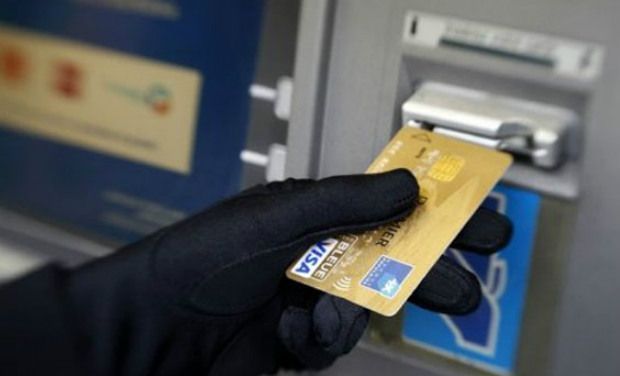
ATM skimmers are illicit devices installed by criminals to capture personal financial information, such as debit or credit card numbers and Personal Identification Numbers (PINs). These devices are engineered to blend seamlessly with the ATM’s components, making them difficult to detect without close inspection. Skimmers vary in design but typically target one of three critical areas: the card reader, the keypad, or the surrounding environment via hidden cameras.

  1. Card Reader Skimmers: These devices are placed over or within the ATM’s card slot, designed to mimic the legitimate card reader. When a card is inserted, the skimmer captures the magnetic stripe data, including the card number and other sensitive details.

  2. Keypad Skimmers: False keypads are overlaid on the ATM’s legitimate keypad to record PIN entries. These devices may feel slightly different to the touch or appear misaligned, but they are often crafted to be nearly indistinguishable.

  3. Hidden Cameras: Small, discreet cameras may be positioned near the ATM, often angled to capture keypad inputs. These cameras are typically concealed in inconspicuous locations, such as within the ATM’s frame, a nearby light fixture, or even a fake brochure holder.

Once collected, the stolen data is stored within the skimmer or transmitted wirelessly to the criminal, who can then use it to create counterfeit cards or conduct unauthorized transactions. The financial repercussions of such theft can be devastating, leading to drained bank accounts, unauthorized charges, and significant stress for victims.

The Consequences of ATM Skimming

The fallout from ATM skimming can extend beyond immediate financial loss. Victims may face:

  • Financial Loss: Criminals can drain bank accounts or rack up unauthorized charges, leaving victims with depleted funds and the burden of recovering their money.

  • Credit Damage: Stolen card information can lead to fraudulent accounts or charges, potentially harming the victim’s credit score.

  • Time and Effort: Resolving fraud cases often requires contacting banks, filing disputes, and monitoring accounts, which can be time-consuming and emotionally taxing.

  • Identity Theft: In severe cases, stolen information may be used for broader identity theft, leading to long-term financial and personal challenges.

Given these risks, understanding how to identify and avoid skimmers is critical for anyone who uses ATMs regularly, especially young adults who may be less experienced with financial security practices.

Strategies to Protect Yourself from ATM Skimmers

Preventing ATM skimming requires a combination of vigilance, awareness, and proactive behavior. By adopting the following strategies, individuals can significantly reduce their risk of falling victim to this type of fraud.

1. Choose ATMs in High-Traffic, Well-Lit Locations

The location of an ATM plays a crucial role in its vulnerability to skimming. Criminals prefer ATMs in isolated or low-traffic areas, where they can install and retrieve skimmers without attracting attention. These locations may include standalone ATMs in dimly lit corners, convenience stores with minimal foot traffic, or ATMs operational during off-hours when few people are present.

In contrast, ATMs in busy, well-monitored areas—such as inside bank branches, shopping malls, or bustling urban centers—are less likely to be targeted. The presence of people, security cameras, and regular maintenance reduces the window of opportunity for criminals to install skimmers. When possible, opt for ATMs located in:

  • Bank Branches: These are typically equipped with advanced security systems and regularly inspected for tampering.

  • High-Traffic Retail Stores: ATMs in grocery stores or malls are less appealing to criminals due to constant activity.

  • Well-Lit Areas: Avoid ATMs in dark or secluded locations, especially at night, as these are prime targets for skimmer installation.

2. Inspect the ATM for Signs of Tampering

Before using an ATM, take a moment to examine its components for any irregularities. Skimmers are often designed to blend in, but subtle clues can reveal their presence:

  • Card Reader Inspection: Gently tug on the card reader to check if it feels loose or detachable. Legitimate card readers are securely fastened, while skimmers may wobble or come off easily. Look for unusual textures, colors, or misalignments that suggest an overlay.

  • Keypad Examination: Press the keypad to ensure it feels firm and consistent. False keypads may feel spongy, uneven, or slightly raised compared to the ATM’s surface.

  • Camera Check: Scan the area around the ATM for suspicious objects, such as small holes, unusual fixtures, or devices that seem out of place. Hidden cameras may be embedded in the ATM’s frame, a nearby sign, or even a fake panel.

If anything appears suspicious, avoid using the ATM and report your concerns to the bank or the ATM’s operator immediately.

3. Use Contactless or Mobile Banking Alternatives

Modern technology offers safer alternatives to traditional card-based ATM transactions. Many banks now support contactless cards or mobile apps that allow users to withdraw cash without inserting a card. These methods reduce the risk of skimming by bypassing the card reader entirely. For example:

  • Contactless Cards: Tap-to-pay cards use Near Field Communication (NFC) technology, which does not require the card to be inserted into a reader.

  • Mobile Apps: Some banks allow users to authenticate withdrawals via a smartphone app, generating a one-time code or QR code to access the ATM.

By leveraging these technologies, users can minimize their exposure to skimming devices.

4. Shield Your PIN Entry

Even if a skimmer is present, protecting your PIN can prevent criminals from accessing your account. When entering your PIN, use your hand or body to shield the keypad from potential cameras or onlookers. This simple habit can thwart attempts to capture your PIN, rendering stolen card data less valuable to criminals.

5. Monitor Your Accounts Regularly

Regularly reviewing your bank and credit card statements is an essential defense against fraud. Most banks offer online banking platforms and mobile apps that allow users to monitor transactions in real time. Look for:

  • Unauthorized Transactions: Small, unrecognized charges may indicate a skimmer testing the card before larger fraudulent withdrawals.

  • Suspicious Activity: Sudden changes in account balances or unfamiliar transactions should be reported immediately.

Enabling transaction alerts via text or email can provide instant notifications of account activity, allowing you to respond quickly to potential fraud.

6. Report Suspected Skimming Immediately

If you suspect an ATM has been compromised or notice unusual activity in your account, contact your bank immediately. Most banks have dedicated fraud hotlines and procedures for handling skimming incidents. Quick reporting can limit financial losses and help authorities apprehend the culprits. Additionally, notify the ATM’s operator or the business hosting the machine to ensure the device is inspected and secured.

Special Considerations for Young Adults

Young adults, particularly those new to managing their own bank accounts, may be especially vulnerable to ATM skimming due to inexperience or lack of awareness. To empower this group, financial institutions and educators should emphasize the following:

  • Financial Literacy Programs: Banks and schools can offer workshops or resources to teach young adults about ATM safety, skimming risks, and secure banking practices.

  • Parental Guidance: Parents can guide their children in inspecting ATMs and monitoring accounts, fostering habits that promote long-term financial security.

  • Technology Adoption: Encouraging the use of contactless cards or mobile banking apps can help young adults avoid traditional skimming risks.

By equipping young adults with the knowledge and tools to protect themselves, society can reduce the overall impact of ATM skimming.

Conclusion

ATM skimmers represent a significant threat in an era where convenience often overshadows caution. By understanding how skimmers operate and adopting proactive measures—such as choosing secure ATM locations, inspecting machines for tampering, using contactless technology, shielding PIN entries, monitoring accounts, and reporting suspicious activity—individuals can significantly reduce their risk of becoming victims. For young adults and new bank account holders, these practices are especially critical, as they may lack the experience to recognize potential threats. By staying vigilant and informed, ATM users can continue to enjoy the convenience of these machines while safeguarding their financial security. In a world where technology evolves rapidly, both for convenience and for crime, proactive awareness is the key to staying one step ahead of fraudsters.

An Out of this World threat: The dangers of a compromised satellite

Satellites, vital for global connectivity, face cybersecurity risks due to outdated technology. Robust encryption and quantum innovations are essential to protect these critical assets from catastrophic breaches.

Securing the Skies: The Cybersecurity Imperative for Satellites in a Hyper-Connected World

In an era defined by unprecedented global connectivity, satellites have become the invisible backbone of modern civilization. These orbiting marvels enable a vast array of services that have seamlessly integrated into daily life, from global positioning systems (GPS) and high-speed internet to weather forecasting and secure communications. By bridging vast distances and shrinking the world, satellites have transformed how individuals, businesses, and governments operate, fostering a hyper-connected global ecosystem. However, this reliance on satellite infrastructure introduces significant cybersecurity vulnerabilities that, if exploited, could disrupt critical services, incur massive financial losses, and even endanger lives. As the number of satellites in orbit continues to grow—driven by both governmental and private sector initiatives—the urgency to address these vulnerabilities has never been greater.

The Pivotal Role of Satellites in Modern Society

Satellites are indispensable to the functioning of contemporary society. GPS satellites provide precise navigation and timing data, underpinning industries such as transportation, logistics, aviation, and maritime operations. Internet satellites deliver connectivity to remote regions, enabling global communication and commerce. Scientific satellites monitor environmental changes, while military satellites support national security through surveillance and secure communications. According to industry estimates, there are over 7,000 operational satellites in orbit as of 2025, with thousands more planned for deployment in the coming years, driven by initiatives like SpaceX’s Starlink and other low Earth orbit (LEO) constellations.

These satellites collectively form a critical infrastructure that supports the global economy and societal well-being. For instance, GPS alone is estimated to contribute hundreds of billions of dollars annually to global GDP by enabling precision agriculture, optimizing supply chains, and supporting emergency response systems. Internet satellites have democratized access to information, bridging the digital divide for underserved communities. However, the very ubiquity of these services makes their potential disruption all the more consequential.

The Cybersecurity Achilles’ Heel of Satellites

Despite their critical importance, many satellites are alarmingly vulnerable to cyber threats. A significant portion of the satellite fleet, particularly older models, was designed and launched in an era when cybersecurity was an afterthought. These legacy systems often lack robust encryption, modern authentication protocols, or even basic firewalls, rendering them susceptible to exploitation. The software and hardware powering these satellites were built for reliability and longevity, not for withstanding sophisticated cyberattacks that have become commonplace in the digital age.

Cybercriminals or state-sponsored actors could exploit these vulnerabilities in several ways. At the most basic level, attackers could intercept unencrypted data transmissions, siphoning off sensitive information such as location data, communications, or proprietary business intelligence. More alarmingly, a compromised satellite could be disrupted or disabled, rendering it inoperative. For example, a GPS satellite taken offline could disrupt navigation systems, leading to chaos in industries reliant on precise positioning. In extreme scenarios, attackers could attempt to “commandeer” a satellite, issuing unauthorized commands to alter its orbit or functionality. While such an attack requires significant technical sophistication and resources, the possibility cannot be dismissed, particularly as cyber warfare capabilities continue to evolve.

The potential consequences of a compromised satellite are staggering. A disrupted GPS satellite could render navigation systems inoperative, grounding flights, halting maritime operations, and disrupting supply chains. Emergency services, which rely on GPS for rapid response, could face delays, potentially endangering lives. Financial institutions, which depend on precise timing signals from satellites for transaction synchronization, could suffer significant disruptions. In a worst-case scenario, a compromised military satellite could undermine national security, exposing sensitive intelligence or disrupting defense operations.

The Challenges of Securing Satellites

Securing satellites presents unique challenges that distinguish them from terrestrial systems. Satellites operate in the harsh environment of space, where physical access for maintenance or upgrades is impossible once they are launched. This necessitates that cybersecurity measures be integrated into the satellite’s design and software before launch, as post-deployment updates are often limited or impractical. Additionally, the long operational lifespans of satellites—often 10 to 20 years—mean that many rely on outdated technology that cannot easily be retrofitted with modern security protocols.

Another challenge is the complexity of satellite communication networks. Satellites interact with ground stations, user terminals, and other satellites, creating multiple points of entry for potential attackers. Ground stations, in particular, are vulnerable to physical and cyber intrusions, as they serve as the primary interface for commanding and controlling satellites. A breach at a ground station could provide attackers with access to the satellite’s control systems, amplifying the potential for harm.

The diversity of satellite operators further complicates the cybersecurity landscape. Satellites are owned and operated by a mix of governments, military organizations, private companies, and international consortia, each with varying levels of resources, expertise, and priorities. While large organizations like NASA or major telecommunications companies may have robust cybersecurity programs, smaller operators or those in developing nations may lack the resources to implement advanced protections.

Emerging Solutions: From Conventional to Quantum

To address these vulnerabilities, satellite operators must adopt a multi-faceted approach to cybersecurity. The foundation of this approach lies in integrating state-of-the-art security measures into satellite design and operation. Before a satellite is launched, it should be equipped with advanced encryption protocols, secure authentication mechanisms, and intrusion detection systems. Regular software updates, where feasible, can help address emerging threats, though this requires careful planning to avoid disrupting satellite operations.

Ground stations, as critical nodes in the satellite ecosystem, must also be fortified. This includes implementing robust network security, physical access controls, and continuous monitoring for suspicious activity. Redundancy in ground station operations can further mitigate risks by ensuring that a breach at one facility does not compromise the entire network.

Beyond conventional cybersecurity measures, emerging technologies offer transformative potential. Quantum computing, in particular, has emerged as a game-changer in satellite security. Quantum key distribution (QKD), which leverages the principles of quantum mechanics to create theoretically unbreakable encryption, could render satellite communications impervious to interception. In August 2016, China launched the world’s first quantum communication satellite, Micius, which demonstrated the feasibility of QKD in space. While the satellite was experimental, its success highlighted the potential for quantum-based systems to revolutionize satellite security.

However, quantum technology remains prohibitively expensive and complex for widespread adoption. For most operators, the immediate priority should be to implement best-in-class conventional cybersecurity measures. This includes adopting standards such as those outlined by the National Institute of Standards and Technology (NIST) for space systems or collaborating with international bodies like the Consultative Committee for Space Data Systems (CCSDS) to develop interoperable security protocols.

The Role of Collaboration and Regulation

Addressing the cybersecurity challenges of satellites requires collaboration across industries, governments, and international organizations. The space sector is inherently global, with satellites crossing national boundaries and serving users worldwide. This necessitates international cooperation to establish cybersecurity standards, share threat intelligence, and coordinate responses to cyber incidents. Organizations like the United Nations Office for Outer Space Affairs (UNOOSA) could play a pivotal role in fostering dialogue and setting guidelines for satellite security.

Regulation also has a role to play. Governments can incentivize or mandate cybersecurity standards for satellite operators, particularly for those providing critical services like GPS or telecommunications. Public-private partnerships can facilitate the development and deployment of advanced security technologies, ensuring that even smaller operators have access to robust protections.

The Path Forward: A Call to Action

The stakes of satellite cybersecurity are immense. A single compromised satellite could disrupt global communications, cripple economies, or undermine national security. As the number of satellites in orbit continues to grow, so too does the attack surface for cybercriminals and hostile actors. To safeguard this critical infrastructure, satellite operators must prioritize cybersecurity at every stage of a satellite’s lifecycle, from design and launch to operation and decommissioning.

Investing in advanced encryption, secure ground infrastructure, and emerging technologies like quantum computing is essential to staying ahead of evolving threats. Equally important is fostering a culture of cybersecurity awareness and collaboration across the space sector. By taking proactive measures and embracing innovation, the global community can ensure that satellites remain a reliable and secure cornerstone of our connected world.

In conclusion, the hyper-connected world of 2025 relies on satellites more than ever before. These orbiting assets are both a marvel of human ingenuity and a potential point of vulnerability. By addressing the cybersecurity challenges of satellites with urgency and foresight, we can protect the systems that underpin modern life and secure the skies for generations to come.

Blackout: Can the Power Grid be taken down by cyber-criminals?

A cyber-attack on the U.S. power grid could cause widespread disruption, costing millions and endangering lives. Robust defenses and coordinated response plans are critical.

Cybersecurity Threats to the U.S. Power Grid

The power grid is a cornerstone of modern society, seamlessly powering homes, businesses, and critical infrastructure. Yet, its reliability is so ingrained in daily life that it often goes unnoticed—until it fails. While cyber-attacks on personal devices or corporate networks dominate headlines, the notion of a cyber-attack targeting the power grid may seem improbable. However, the 2015 cyber-attack on Ukraine’s power grid, which disrupted electricity for several hours, demonstrated that such an event is not only possible but could have far-reaching consequences if prolonged. This incident raises a critical question: could the United States face a similar threat, and if so, how prepared is the nation to respond?

The Complexity of Attacking a Power Grid

A cyber-attack on a power grid is not akin to hacking a single computer. It requires meticulous orchestration, exploiting vulnerabilities in complex, interconnected systems that blend operational technology (OT) with information technology (IT). Power grids rely on supervisory control and data acquisition (SCADA) systems, which manage electricity distribution, and these systems are increasingly digitized, making them potential targets. The Ukraine attack, attributed to sophisticated actors, involved malware that disrupted control systems, highlighting the level of expertise required for such an operation.

While the Ukraine outage lasted only a few hours, a prolonged disruption—lasting days or weeks—could be catastrophic. The U.S. power grid, while robust, is not immune. Though the likelihood of a successful, large-scale cyber-attack remains low due to the grid’s complexity and existing safeguards, even a small risk warrants serious preparation.

Potential Consequences of a U.S. Power Grid Attack

A sustained power outage across multiple states would unleash widespread disruption. The economic toll could reach hundreds of millions, if not billions, of dollars, affecting industries, supply chains, and essential services. Hospitals, reliant on electricity for life-saving equipment, could face dire challenges, potentially leading to loss of life. Water treatment plants, transportation systems, and communication networks would also be compromised, amplifying the chaos. Such an attack, given its scale and intent, would likely be classified as an act of war, triggering significant geopolitical ramifications.

Current Preparedness and Gaps

U.S. power companies have developed contingency plans to address such scenarios, emphasizing rapid response and coordination. These plans involve collaboration among utilities to restore power quickly and communication with federal and state governments, particularly in multi-state incidents. The Department of Energy and the Federal Energy Regulatory Commission (FERC) play key roles in overseeing grid security, while the North American Electric Reliability Corporation (NERC) enforces cybersecurity standards, such as the Critical Infrastructure Protection (CIP) protocols.

Despite these efforts, some cybersecurity experts argue that current plans have significant shortcomings. Vulnerabilities include outdated infrastructure, inconsistent adoption of cybersecurity best practices across utilities, and insufficient simulation of large-scale attack scenarios. For instance, many systems still rely on legacy equipment that predates modern cybersecurity threats, making them harder to secure. Additionally, the decentralized nature of the U.S. grid, while a strength in some respects, can complicate coordinated responses.

Recommendations for Enhanced Resilience

To bolster defenses, power companies and regulators should prioritize the following:

  1. Modernize Infrastructure: Upgrade legacy systems with secure, resilient technologies and implement robust encryption for SCADA and other critical systems.

  2. Enhance Cybersecurity Standards: Strengthen NERC CIP requirements, ensuring uniform compliance across all utilities, and conduct regular audits to identify weaknesses.

  3. Conduct Realistic Simulations: Perform large-scale, multi-utility cyber-attack drills to test response plans and identify gaps in coordination.

  4. Foster Public-Private Collaboration: Deepen partnerships between utilities, government agencies, and cybersecurity firms to share threat intelligence and best practices.

  5. Invest in Workforce Training: Equip grid operators with advanced cybersecurity skills to detect and mitigate threats in real time.

Conclusion

The U.S. power grid remains a critical yet underappreciated lifeline. While a cyber-attack on the scale required to cause widespread disruption is unlikely, the potential consequences are too severe to ignore. The 2015 Ukraine attack serves as a stark reminder of what is possible, and the U.S. must take proactive steps to fortify its defenses. By addressing vulnerabilities, enhancing response plans, and fostering collaboration, the nation can better safeguard its power grid against an evolving cyber threat landscape, ensuring the lights stay on for all.

An Eye On Tech – Quantum Computing

Quantum computers promise breakthroughs in science, medicine, and AI, but their ability to break encryption raises cybersecurity concerns, reshaping society’s technological and security landscape.?

IBM’s Quantum Computer

Quantum Computing: A New Era of Computational Power

In January 2025, IBM unveiled its latest breakthrough in quantum computing: a commercial quantum computer accessible via the internet for users to submit quantum calculations. While not available for retail purchase, this development marks a significant step toward broader accessibility of quantum computing technology. To fully appreciate this milestone, it’s essential to understand what quantum computers are and their transformative potential.

The Power of Quantum Computing

Quantum computers represent a paradigm shift in computational capability, far surpassing the limits of even the most advanced classical computers. Unlike traditional systems, quantum computers leverage the unique properties of subatomic particles—superposition and entanglement—through quantum bits, or “qubits.” While classical computers process bits as either 0 or 1, qubits can exist in a superposition of both states simultaneously, enabling quantum computers to tackle complex problems with unprecedented efficiency. This capability promises breakthroughs in fields like cryptography, materials science, and medicine, solving problems once deemed intractable for classical systems.

However, quantum computing is still in its early stages. IBM’s latest quantum computer, while a significant achievement, is not yet considered a “true” quantum computer by researchers. The industry’s ultimate goal is achieving quantum supremacy—a state where quantum computers perform calculations beyond the reach of even the most powerful classical supercomputers. This milestone remains a work in progress but is a driving force for companies like IBM and other global players.

Coexistence of Classical and Quantum Systems

Quantum computers are unlikely to replace classical computers entirely. Instead, the two will likely coexist, each excelling in specific domains. Classical computers will remain essential for everyday tasks, while quantum computers will dominate in specialized areas, such as finding large prime numbers—a critical function in cryptography. Quantum computers can perform such calculations exponentially faster than classical systems, posing both opportunities and challenges for cybersecurity.

For instance, an IBM researcher has warned that quantum computers could potentially break even the most robust encryption protocols almost instantly, a task that would take classical computers billions of years. This capability places encryption in a precarious position, necessitating the development of quantum-resistant cryptographic methods as quantum technology matures.

Emerging Challenges: Quantum Malware

Like classical computers, quantum computers are not immune to security threats. While quantum malware remains a theoretical concern for now, its emergence could become a reality as quantum computing proliferates. Security professionals will need to adapt to this new domain, developing expertise in quantum cybersecurity. On the flip side, quantum computing offers opportunities to enhance security through quantum cryptography, currently the most secure method for transmitting messages, promising a new frontier in secure communication.

Quantum Computing and Artificial Intelligence

Quantum computing also holds immense potential for artificial intelligence (AI). Experts agree that quantum computers could accelerate AI research, enabling smarter and more capable systems. Virtual assistants like Siri could evolve beyond their current limitations, offering seamless interactions and advanced problem-solving capabilities. Some speculate that quantum computing could even pave the way for sentient AI, a prospect that is both groundbreaking and, for some, unsettling. The synergy between quantum computing and AI promises to redefine technological boundaries.

Global Race for Quantum Supremacy

China is currently leading the quantum computing race, investing billions in research and development to maintain its edge. With nearly 500 quantum technology patents compared to the United States’ 248, China’s advancements are significant. The nation is also actively recruiting Chinese scientists from foreign labs, offering incentives to bolster domestic innovation. This leadership raises concerns in Western nations, as a quantum-superior China could neutralize espionage efforts and expand its global influence by exporting advanced quantum technologies.

Despite these competitive dynamics, collaboration between Chinese and Western scientists could accelerate progress in quantum computing, benefiting the global scientific community. Such partnerships could drive innovation, ensuring that quantum advancements are shared for the greater good.

Looking Ahead

As we stand on the cusp of the 2030s, the progress in quantum computing over the past decade is remarkable. IBM’s latest quantum computer, though not yet a retail product, signals a future where quantum and classical systems coexist, each pushing the boundaries of what’s possible. While challenges like quantum malware and encryption vulnerabilities loom, the potential for breakthroughs in AI, cryptography, and scientific discovery is immense. The coming decade promises to be a transformative era for quantum computing—let’s hope it roars as boldly as the 1920s, but with a brighter, more stable conclusion.

A Very Connected World

The Internet of Things promises unparalleled convenience, but at what cost? Smart devices offer control, yet expose us to privacy breaches and cyber vulnerabilities.

The Siren Song of the Internet of Things: Convenience at the Cost of Vulnerability

In Ancient Greek mythology, sailors navigating the Mediterranean and Aegean seas faced myriad perils, none more beguiling than the sirens. These creatures, often depicted as half-woman, half-bird, used their enchanting songs to lure mariners to their doom, their ships shattered against treacherous rocks. Though rooted in ancient lore, the siren’s allure serves as a potent metaphor for a modern phenomenon: the rise of the Internet of Things (IoT) and its promise of convenience at the potential cost of security and privacy.

The Allure of the Smart Home

In today’s fast-paced world, convenience is king. The advent of “smart homes” exemplifies this, offering unparalleled control over one’s living environment through a single device: the smartphone. Forgot to lock the door while miles away? A few taps on your phone resolve the issue. Left the lights on? Your phone has you covered. Cozy in bed but need the lights off? Reach for your phone. The ability to manage nearly every aspect of a home remotely appeals to those who prioritize efficiency and peace of mind. For anxious homeowners, the knowledge that potential oversights can be rectified instantly is a powerful draw.

Tech enthusiasts, too, are captivated by IoT devices. These early adopters eagerly embrace cutting-edge technology, often camping outside stores to secure the latest iPhone or iPad. Their enthusiasm fuels the rapid adoption of smart home systems, transforming houses into interconnected hubs of innovation.

The Hidden Dangers of Connectivity

Yet, much like the sirens’ songs, the promise of IoT may conceal significant risks. The very devices designed to enhance security and convenience can erode privacy and expose users to new vulnerabilities. IoT devices generate vast amounts of data, which companies often collect and share with advertisers. A smart home equipped with connected thermostats, cameras, and appliances becomes a treasure trove of personal information, enabling advertisers to craft highly targeted campaigns. This unprecedented access to consumer data raises serious privacy concerns, as individuals trade personal information for convenience.

Moreover, the reliance on smartphones as the central control hub for IoT devices introduces a single point of failure. Losing a phone is inconvenient; losing control of your smart home is catastrophic. A malicious actor with access to a homeowner’s phone could manipulate connected devices, from unlocking doors to disabling security systems, all without needing to be physically present. While a stolen key poses a localized threat, a compromised phone grants remote access to an entire home, amplifying the potential for harm.

Beyond the Home: IoT in Automobiles

The IoT’s reach extends beyond the home, infiltrating industries like automotive manufacturing. Tesla, led by visionary entrepreneur Elon Musk, has become synonymous with innovation in electric vehicles. Features like self-driving capabilities and remote summoning—where a car can be called to its owner’s location via a smartphone app—represent remarkable technological achievements. Forgetting where you parked is no longer a concern; your car comes to you. Yet, these advancements come with vulnerabilities. A hacked vehicle could be manipulated remotely, posing risks to both the owner and others on the road. The integration of IoT into cars transforms them from mechanical assets into potential cyber liabilities.

A Modern Siren’s Call

At its core, the proliferation of IoT devices increases individual vulnerability. In the year 2000, cyber threats were largely confined to computers. Today, nearly two decades into the 21st century, the average person is surrounded by a constellation of internet-connected devices, each a potential entry point for cyberattacks. A single compromised device—be it a smart lock, thermostat, or vehicle—could have cascading consequences, undermining the very security it was meant to enhance.

The allure of IoT is undeniable, promising a life of ease and efficiency. Yet, much like the sailors of ancient Greece, we must navigate these tempting waters with caution. For some, the risks outweigh the rewards, leading them to favor traditional, mechanical solutions—like a sturdy lock—that offer reliability without the specter of cyber vulnerabilities. As we chart the future of technology, we must ask ourselves: is the convenience of the IoT worth the price of our privacy and security? Or are we, like the sailors of old, being lured toward unseen rocks by a modern siren’s song?

Blood & Silicon

Biometric technology, blending biology and circuits, enhances security but sparks privacy debates. From fingerprint unlocking to behavioral analysis, its rise challenges the balance between convenience and personal data protection.

The Rise of Biometric Technology: Balancing Security and Privacy

As technology advances, the integration of biology and circuits has transformed from the realm of science fiction into a tangible reality. Biometric technology, driven by the need for enhanced security, has become a cornerstone of modern society. Its ability to restrict access to authorized individuals has made it a powerful tool, exemplified by features like fingerprint unlocking on Apple’s iPhone models. This innovation not only bolsters security but also streamlines user experience, captivating those eager to witness the frontiers of technological progress. However, the rise of biometrics has sparked a familiar debate: the trade-off between convenience and privacy.

Biometric Authentication: Biology and Behavior

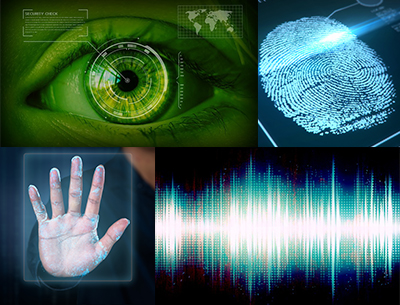
Biometric systems verify identity through two primary methods: biological and behavioral. Biological biometrics include technologies such as retina scans, facial recognition, palm scans, and even odor detection. Behavioral biometrics, or “behaviormetrics,” elevate authentication to a new level by analyzing traits like voice patterns, typing rhythms, or gait. Often dubbed the “holy grail of authentication,” behaviormetrics offer unparalleled security, making it nearly impossible for malicious actors to replicate. Unlike traditional passwords, which can be stolen or guessed, biometric systems provide robust protection, attracting the attention of corporations and governments seeking to fortify their security frameworks.

As a result, many entities are phasing out conventional security measures in favor of biometric and behaviometric systems. The enhanced security is undeniable, but the growing prevalence of these technologies raises significant concerns about privacy.

The Privacy Dilemma

Privacy, a fundamental human value, has faced increasing challenges in the digital age. Biometric technology intensifies this tension. While individuals may hesitate to share personal details like addresses or bank card information online—fearing data breaches—these can be changed if compromised. Biometric data, however, is immutable. Your DNA, retina, or iris cannot be altered, making biometric data exceptionally sensitive and valuable. For instance, advertising agencies could exploit facial recognition technology in public spaces, such as malls, to identify individuals, access their data from a database, and tailor advertisements in real time to maximize persuasion. This scenario, while innovative, raises discomfort for those wary of pervasive surveillance.

Law Enforcement and Ethical Concerns

Law enforcement agencies worldwide have embraced biometrics to enhance public safety. Strategically placed biometric cameras can identify wanted individuals or locate missing persons in crowded spaces. Behaviometrics could even predict criminal behavior by analyzing subtle behavioral cues, potentially preventing crimes before they occur. However, these advancements come with risks. Critics, including prominent voices in privacy advocacy, warn of potential errors leading to wrongful arrests or the misuse of such powerful tools. As biometric technology becomes more widespread, it is likely to ignite heated debates across society about its ethical implications.

The Threat of Identity Theft

The specter of identity theft looms large in the biometric landscape. If a malicious actor gains access to an individual’s biometric data—particularly for someone with access to sensitive systems or assets—the consequences could be catastrophic. Unlike passwords, which can be reset, compromised biometric data cannot be changed. If a breach occurs, the only recourse may be to remove the individual’s biometric profile from the system entirely, potentially locking them out of critical services or employment. This creates a unique vulnerability: a permanent loss of access to prevent unauthorized use.

Navigating the Future of Biometrics

Biometric technology is undeniably transformative, offering unmatched security and convenience. Yet, its growing sophistication and ubiquity amplify concerns about privacy and misuse. For those who prioritize personal privacy, avoiding biometric systems whenever possible is advisable. When unavoidable, their use should be minimized to safeguard sensitive data. As society continues to grapple with the implications of biometrics, individuals must weigh the benefits of enhanced security against the enduring value of privacy.

Design a site like this with WordPress.com
Get started