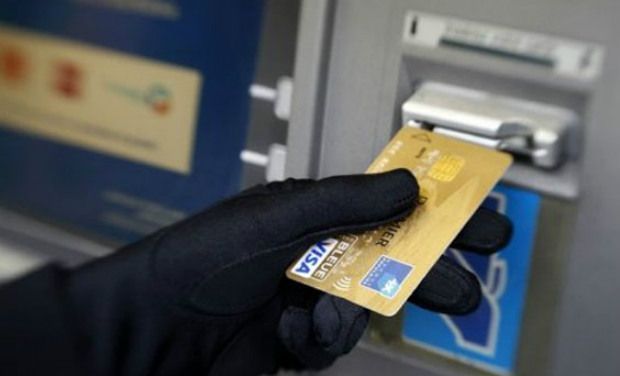
Protecting Yourself from ATM Skimmer Fraud: A Comprehensive Guide
Introduction
Automated Teller Machines (ATMs) have become an integral part of modern banking, offering unparalleled convenience for withdrawing cash, checking balances, and performing other financial transactions. For many, using an ATM is a routine activity, seamlessly integrated into daily life. However, this reliance on ATMs comes with a significant risk: ATM skimmers. These malicious devices, designed to steal sensitive financial information, pose a serious threat to unsuspecting users. As ATM skimming technology becomes increasingly sophisticated, individuals must take proactive steps to protect themselves from financial fraud. This article explores the nature of ATM skimmers, their potential consequences, and practical strategies to safeguard personal financial information, with a particular focus on empowering young adults and new bank account holders.
Understanding ATM Skimmers
ATM skimmers are illicit devices installed by criminals to capture personal financial information, such as debit or credit card numbers and Personal Identification Numbers (PINs). These devices are engineered to blend seamlessly with the ATM’s components, making them difficult to detect without close inspection. Skimmers vary in design but typically target one of three critical areas: the card reader, the keypad, or the surrounding environment via hidden cameras.
-
Card Reader Skimmers: These devices are placed over or within the ATM’s card slot, designed to mimic the legitimate card reader. When a card is inserted, the skimmer captures the magnetic stripe data, including the card number and other sensitive details.
-
Keypad Skimmers: False keypads are overlaid on the ATM’s legitimate keypad to record PIN entries. These devices may feel slightly different to the touch or appear misaligned, but they are often crafted to be nearly indistinguishable.
-
Hidden Cameras: Small, discreet cameras may be positioned near the ATM, often angled to capture keypad inputs. These cameras are typically concealed in inconspicuous locations, such as within the ATM’s frame, a nearby light fixture, or even a fake brochure holder.
Once collected, the stolen data is stored within the skimmer or transmitted wirelessly to the criminal, who can then use it to create counterfeit cards or conduct unauthorized transactions. The financial repercussions of such theft can be devastating, leading to drained bank accounts, unauthorized charges, and significant stress for victims.
The Consequences of ATM Skimming
The fallout from ATM skimming can extend beyond immediate financial loss. Victims may face:
-
Financial Loss: Criminals can drain bank accounts or rack up unauthorized charges, leaving victims with depleted funds and the burden of recovering their money.
-
Credit Damage: Stolen card information can lead to fraudulent accounts or charges, potentially harming the victim’s credit score.
-
Time and Effort: Resolving fraud cases often requires contacting banks, filing disputes, and monitoring accounts, which can be time-consuming and emotionally taxing.
-
Identity Theft: In severe cases, stolen information may be used for broader identity theft, leading to long-term financial and personal challenges.
Given these risks, understanding how to identify and avoid skimmers is critical for anyone who uses ATMs regularly, especially young adults who may be less experienced with financial security practices.
Strategies to Protect Yourself from ATM Skimmers
Preventing ATM skimming requires a combination of vigilance, awareness, and proactive behavior. By adopting the following strategies, individuals can significantly reduce their risk of falling victim to this type of fraud.
1. Choose ATMs in High-Traffic, Well-Lit Locations
The location of an ATM plays a crucial role in its vulnerability to skimming. Criminals prefer ATMs in isolated or low-traffic areas, where they can install and retrieve skimmers without attracting attention. These locations may include standalone ATMs in dimly lit corners, convenience stores with minimal foot traffic, or ATMs operational during off-hours when few people are present.
In contrast, ATMs in busy, well-monitored areas—such as inside bank branches, shopping malls, or bustling urban centers—are less likely to be targeted. The presence of people, security cameras, and regular maintenance reduces the window of opportunity for criminals to install skimmers. When possible, opt for ATMs located in:
-
Bank Branches: These are typically equipped with advanced security systems and regularly inspected for tampering.
-
High-Traffic Retail Stores: ATMs in grocery stores or malls are less appealing to criminals due to constant activity.
-
Well-Lit Areas: Avoid ATMs in dark or secluded locations, especially at night, as these are prime targets for skimmer installation.
2. Inspect the ATM for Signs of Tampering
Before using an ATM, take a moment to examine its components for any irregularities. Skimmers are often designed to blend in, but subtle clues can reveal their presence:
-
Card Reader Inspection: Gently tug on the card reader to check if it feels loose or detachable. Legitimate card readers are securely fastened, while skimmers may wobble or come off easily. Look for unusual textures, colors, or misalignments that suggest an overlay.
-
Keypad Examination: Press the keypad to ensure it feels firm and consistent. False keypads may feel spongy, uneven, or slightly raised compared to the ATM’s surface.
-
Camera Check: Scan the area around the ATM for suspicious objects, such as small holes, unusual fixtures, or devices that seem out of place. Hidden cameras may be embedded in the ATM’s frame, a nearby sign, or even a fake panel.
If anything appears suspicious, avoid using the ATM and report your concerns to the bank or the ATM’s operator immediately.
3. Use Contactless or Mobile Banking Alternatives
Modern technology offers safer alternatives to traditional card-based ATM transactions. Many banks now support contactless cards or mobile apps that allow users to withdraw cash without inserting a card. These methods reduce the risk of skimming by bypassing the card reader entirely. For example:
-
Contactless Cards: Tap-to-pay cards use Near Field Communication (NFC) technology, which does not require the card to be inserted into a reader.
-
Mobile Apps: Some banks allow users to authenticate withdrawals via a smartphone app, generating a one-time code or QR code to access the ATM.
By leveraging these technologies, users can minimize their exposure to skimming devices.
4. Shield Your PIN Entry
Even if a skimmer is present, protecting your PIN can prevent criminals from accessing your account. When entering your PIN, use your hand or body to shield the keypad from potential cameras or onlookers. This simple habit can thwart attempts to capture your PIN, rendering stolen card data less valuable to criminals.
5. Monitor Your Accounts Regularly
Regularly reviewing your bank and credit card statements is an essential defense against fraud. Most banks offer online banking platforms and mobile apps that allow users to monitor transactions in real time. Look for:
-
Unauthorized Transactions: Small, unrecognized charges may indicate a skimmer testing the card before larger fraudulent withdrawals.
-
Suspicious Activity: Sudden changes in account balances or unfamiliar transactions should be reported immediately.
Enabling transaction alerts via text or email can provide instant notifications of account activity, allowing you to respond quickly to potential fraud.
6. Report Suspected Skimming Immediately
If you suspect an ATM has been compromised or notice unusual activity in your account, contact your bank immediately. Most banks have dedicated fraud hotlines and procedures for handling skimming incidents. Quick reporting can limit financial losses and help authorities apprehend the culprits. Additionally, notify the ATM’s operator or the business hosting the machine to ensure the device is inspected and secured.
Special Considerations for Young Adults
Young adults, particularly those new to managing their own bank accounts, may be especially vulnerable to ATM skimming due to inexperience or lack of awareness. To empower this group, financial institutions and educators should emphasize the following:
-
Financial Literacy Programs: Banks and schools can offer workshops or resources to teach young adults about ATM safety, skimming risks, and secure banking practices.
-
Parental Guidance: Parents can guide their children in inspecting ATMs and monitoring accounts, fostering habits that promote long-term financial security.
-
Technology Adoption: Encouraging the use of contactless cards or mobile banking apps can help young adults avoid traditional skimming risks.
By equipping young adults with the knowledge and tools to protect themselves, society can reduce the overall impact of ATM skimming.
Conclusion
ATM skimmers represent a significant threat in an era where convenience often overshadows caution. By understanding how skimmers operate and adopting proactive measures—such as choosing secure ATM locations, inspecting machines for tampering, using contactless technology, shielding PIN entries, monitoring accounts, and reporting suspicious activity—individuals can significantly reduce their risk of becoming victims. For young adults and new bank account holders, these practices are especially critical, as they may lack the experience to recognize potential threats. By staying vigilant and informed, ATM users can continue to enjoy the convenience of these machines while safeguarding their financial security. In a world where technology evolves rapidly, both for convenience and for crime, proactive awareness is the key to staying one step ahead of fraudsters.

 Wars of Zeros and Ones