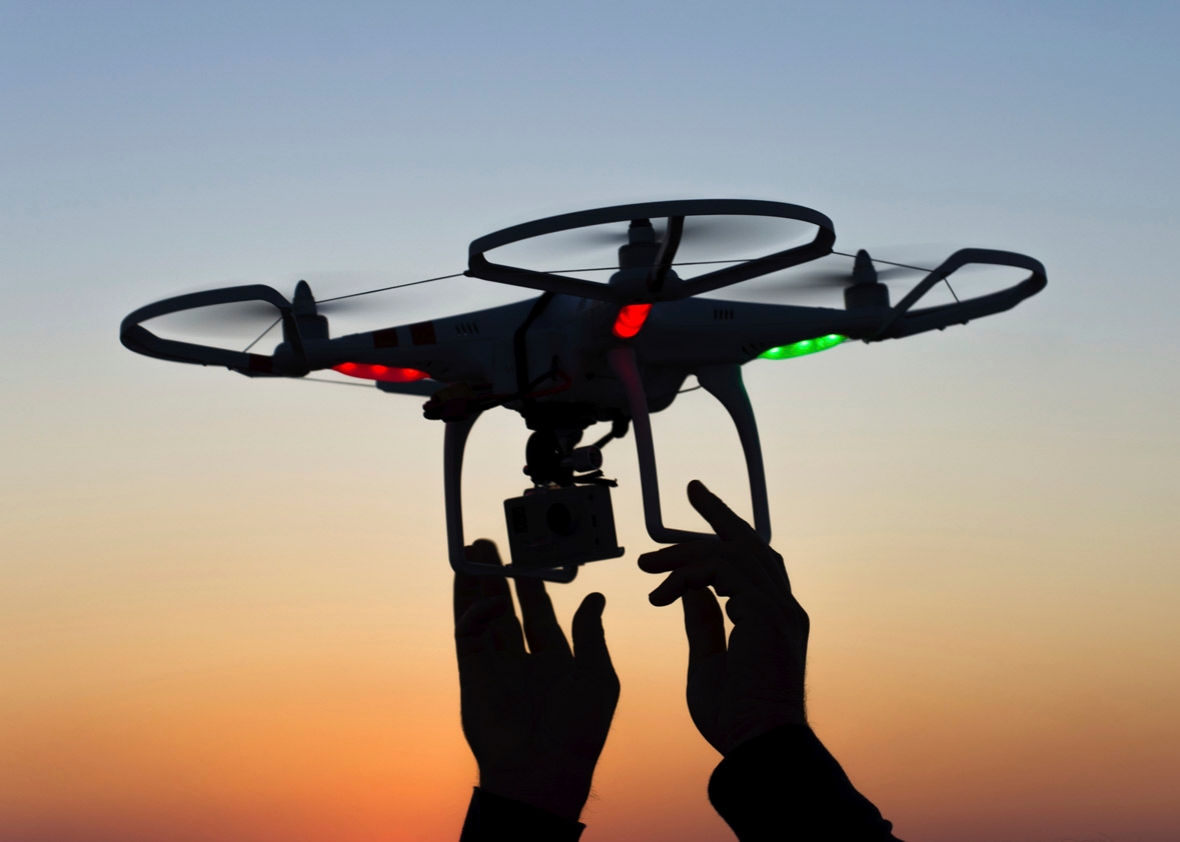
The Evolution and Cybersecurity Challenges of Drone Technology
Introduction
Unmanned Aerial Vehicles (UAVs), commonly known as drones, have transitioned from exclusive military applications to ubiquitous tools in civilian life. Initially developed to safeguard military personnel by performing reconnaissance and combat missions remotely, drones have evolved into sophisticated, cost-effective devices accessible to hobbyists, businesses, and industries. Their capabilities—ranging from high-altitude flights exceeding half a mile to speeds surpassing 55 miles per hour—have unlocked a myriad of applications, including aerial photography, land surveying, live event documentation, package delivery, and even food delivery. As large corporations increasingly integrate drones into their operations, the technology is poised to revolutionize daily life, promising efficiency, innovation, and convenience.
However, the proliferation of drones introduces significant cybersecurity challenges. As wireless and Bluetooth-controlled devices, drones are vulnerable to cyberattacks that can compromise sensitive data, hijack control, or even weaponize the devices. This paper explores the evolution of drone technology, its transformative potential, and the critical cybersecurity risks that must be addressed to ensure safe and secure integration into civilian and commercial spheres.
The Evolution of Drone Technology
From Military to Civilian Applications
Drones originated as military tools designed to minimize risks to personnel by conducting surveillance and targeted operations in hazardous environments. Early drones, such as the Predator UAV, were expensive, complex systems reserved for government use. Advances in materials science, miniaturization, and computing power have since democratized drone technology, reducing production costs and enabling widespread civilian adoption. Today, drones are available to consumers at various price points, with models ranging from basic recreational quadcopters to advanced systems equipped with high-resolution cameras, GPS, and autonomous flight capabilities.
The civilian drone market has grown exponentially, driven by applications in diverse sectors. Hobbyists use drones for recreational photography and videography, capturing stunning aerial views of landscapes and events. In agriculture, drones survey crops, monitor soil conditions, and optimize irrigation, enhancing productivity. Logistics companies like Amazon and UPS are pioneering drone-based delivery systems, promising faster and more efficient package transport. In entertainment, drones capture dynamic footage of live events, while in disaster management, they deliver critical supplies to remote or inaccessible areas. These applications underscore the transformative potential of drones across industries.
Technological Advancements
Modern drones are marvels of engineering, integrating advanced sensors, high-capacity batteries, and sophisticated software. Consumer drones can fly at altitudes exceeding 500 feet, reach speeds over 55 miles per hour, and operate for extended periods with improved battery life. Features like real-time video streaming, obstacle avoidance, and autonomous navigation have made drones more user-friendly and versatile. The integration of artificial intelligence (AI) enables drones to perform complex tasks, such as mapping terrain or tracking objects, with minimal human intervention.
As drone technology advances, manufacturers are developing increasingly compact and powerful models. These advancements lower barriers to entry, enabling more individuals and businesses to adopt drones. However, the growing sophistication and accessibility of drones also amplify the risks associated with their use, particularly in the realm of cybersecurity.
Cybersecurity Vulnerabilities in Drone Technology
The Nature of the Threat
Drones rely on wireless communication protocols, such as Wi-Fi and Bluetooth, to transmit data and receive commands. While these technologies enable remote operation, they also expose drones to cyber threats. Cybercriminals can exploit vulnerabilities in these communication channels to intercept video feeds, steal sensitive data, or hijack control of the drone. Such attacks can have far-reaching consequences, from financial losses to compromised public safety.
1. Interception of Video Feeds
Drones equipped with cameras are widely used for surveillance, monitoring, and documentation. However, unsecured video feeds can be intercepted by unauthorized parties, exposing sensitive information. For example, a drone surveying a corporate facility could inadvertently transmit proprietary data to a hacker, compromising trade secrets or operational plans. In 2011, a notable incident involved insurgents intercepting unencrypted video feeds from U.S. military drones, highlighting the risks of inadequate encryption.
2. Hijacking and Theft
Hackers can exploit weak authentication mechanisms to take control of a drone in flight. By overriding the operator’s commands, attackers can redirect the drone, steal its cargo, or crash it intentionally. In commercial applications, such as package delivery, hijacking poses significant financial risks, as stolen goods and damaged drones can lead to substantial losses. Moreover, hijacked drones can be repurposed for malicious activities, such as smuggling or espionage.
3. Network Vulnerabilities
Drones connected to corporate networks can serve as entry points for broader cyberattacks. If a drone’s wireless access point is compromised, hackers can use it to infiltrate a company’s network, accessing sensitive data or deploying malware. Such breaches can result in significant financial and reputational damage, particularly for organizations handling proprietary or customer data.
4. Public Safety Risks
The potential for drones to be weaponized is a growing concern. A compromised drone could be programmed to perform dangerous actions, such as colliding with other aircraft or delivering hazardous materials. In 2018, an incident in Venezuela demonstrated this risk when drones carrying explosives were used in an attempted assassination. The increasing availability of consumer drones heightens the potential for such misuse, underscoring the need for robust security measures.
Current Security Shortcomings
Many drones lack adequate cybersecurity protections, making them easy targets for attackers. Several factors contribute to these vulnerabilities:
1. Weak Encryption and Authentication
Most consumer drones rely on outdated Wi-Fi security protocols, such as WEP or WPA, which are susceptible to brute-force attacks. Similarly, Bluetooth connections often lack strong authentication, allowing unauthorized devices to connect. Without robust encryption, data transmitted between the drone and its operator can be intercepted or manipulated.
2. Inadequate Software Security
The operating systems of many drones are not designed with cybersecurity in mind. Unlike smartphones or computers, which receive regular security updates, drones often run on static firmware with known vulnerabilities. Manufacturers may prioritize functionality and cost over security, leaving drones exposed to exploits.
3. Open Wireless Connections
Many drones operate on open wireless networks, allowing anyone within range to connect. This lack of access control makes it easy for attackers to establish a connection and launch an attack, such as a man-in-the-middle (MITM) exploit, to intercept or alter communications.
4. Limited Operator Control
Once a drone is compromised, operators have little recourse to regain control. Unlike manned vehicles, which can be manually overridden, drones rely entirely on their communication systems. A successful hijacking can render the drone inoperable, posing risks to both the operator and the public.
Addressing Cybersecurity Challenges
To mitigate the risks associated with drone technology, manufacturers, regulators, and operators must prioritize cybersecurity. The following strategies can enhance the security of drones and ensure their safe integration into civilian and commercial applications.
1. Strengthening Encryption and Authentication
Manufacturers must adopt modern encryption standards, such as AES-256, to secure data transmission between drones and operators. Multi-factor authentication (MFA) should be implemented to verify the identity of the operator, preventing unauthorized access. Additionally, secure pairing mechanisms, such as those used in advanced Bluetooth protocols, can reduce the risk of interception.
2. Implementing Robust Software Security
Drones should be equipped with secure operating systems that receive regular firmware updates to patch vulnerabilities. Manufacturers can adopt practices from the smartphone industry, where over-the-air updates are standard. Secure boot mechanisms can ensure that only authorized firmware runs on the drone, preventing tampering.
3. Securing Wireless Networks
Drones should operate on private, encrypted networks rather than open Wi-Fi or Bluetooth connections. Virtual Private Networks (VPNs) or proprietary communication protocols can enhance security by limiting access to authorized devices. Additionally, frequency-hopping techniques can make it harder for attackers to intercept signals.
4. Enhancing Operator Control
To mitigate the risk of hijacking, drones should include fail-safe mechanisms that allow operators to regain control or safely land the device in the event of a compromise. For example, a “kill switch” could disable the drone’s communication systems and initiate an emergency landing protocol.
5. Regulatory Oversight and Standards
Governments and industry bodies must establish cybersecurity standards for drones, mandating minimum security requirements for manufacturers. Regulatory frameworks, such as those developed by the Federal Aviation Administration (FAA) or the European Union Aviation Safety Agency (EASA), should include provisions for cybersecurity testing and certification. These standards can ensure that drones meet rigorous security benchmarks before entering the market.
6. Public Awareness and Training
Operators must be educated about cybersecurity best practices, such as using strong passwords, updating firmware, and monitoring for suspicious activity. Public awareness campaigns can highlight the risks of unsecured drones and encourage responsible use. Training programs for commercial operators can emphasize secure configuration and operation of drones in sensitive environments.
The Future of Drone Technology
As drone technology continues to advance, its integration into daily life will deepen. Innovations in AI, battery life, and sensor technology will enable drones to perform increasingly complex tasks, from autonomous delivery fleets to environmental monitoring. However, these advancements will also attract cybercriminals seeking to exploit vulnerabilities for profit or harm.
To stay ahead of these threats, manufacturers must prioritize cybersecurity from the design phase, embedding robust protections into hardware and software. Collaboration between industry, academia, and government will be essential to develop cutting-edge security solutions and establish global standards. By addressing these challenges proactively, stakeholders can ensure that drones remain a safe and transformative technology.
Conclusion
Drones have evolved from military tools to versatile devices with the potential to revolutionize industries and enhance daily life. Their ability to perform tasks ranging from aerial photography to package delivery underscores their value in the modern world. However, the cybersecurity risks associated with drones—ranging from data interception to hijacking and public safety threats—pose significant challenges. By implementing strong encryption, secure software, and regulatory oversight, manufacturers and policymakers can mitigate these risks and unlock the full potential of drone technology. As drones continue to soar, a proactive approach to cybersecurity will ensure that they remain a force for innovation rather than a target for exploitation.

 Wars of Zeros and Ones