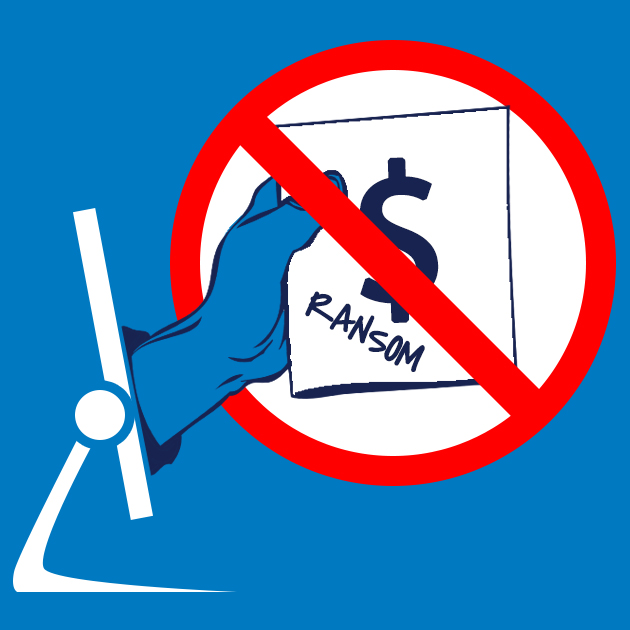
Ransomware is a sophisticated form of malware that covertly infiltrates a user’s computer system, encrypting critical files or restricting access to essential programs and functions. This malicious software effectively holds the user’s data hostage, typically demanding a monetary payment—often in cryptocurrency—to restore access. The following provides a detailed examination of ransomware, its operational mechanisms, origins, infection methods, and preventive strategies.
Mechanics of a Ransomware Attack
A ransomware attack typically begins with the malware surreptitiously embedding itself within a user’s system. Once activated, it may display a message alerting the user to the infection, often accompanied by instructions for paying a ransom to regain control. In some cases, critical system functions or files are locked, rendering the device partially or fully inoperable.
For less complex strains of ransomware, tech-savvy users may be able to mitigate the attack by employing specialized removal tools or restoring their systems from backups. However, advanced ransomware variants often employ robust encryption techniques, leaving victims with limited options: paying the ransom, seeking professional cybersecurity assistance, performing a complete system wipe, or, in extreme cases, replacing the affected device entirely.
Origins and Global Impact
Ransomware traces its origins to Russia in the late 1980s, with the advent of the AIDS Trojan, one of the earliest documented cases. Since then, ransomware has evolved into a global cyberthreat, with cybercriminals leveraging its extortionary potential to generate significant profits. The rise of cryptocurrencies has further fueled its proliferation, enabling anonymous transactions that are difficult to trace. Today, ransomware attacks target individuals, businesses, and critical infrastructure worldwide, causing billions of dollars in damages annually.
Infection Vectors
The most common method of ransomware dissemination is through a Trojan horse—a malicious program disguised as legitimate software. These Trojans are frequently distributed via:
-
Phishing Emails: Cybercriminals send deceptive emails containing malicious attachments or links that, when opened, install ransomware on the victim’s system.
-
Compromised Websites: Visiting unsecured or malicious websites can trigger drive-by downloads, covertly installing ransomware without the user’s knowledge.
-
Software Vulnerabilities: Exploiting unpatched software or operating system vulnerabilities allows ransomware to infiltrate systems.
Preventive Measures
To mitigate the risk of ransomware infection, users and organizations must adopt proactive cybersecurity practices:
-
Exercise Caution Online: Verify the legitimacy of websites before visiting them and avoid clicking on suspicious links or downloading unverified files.
-
Scrutinize Email Communications: Refrain from opening emails or attachments from unknown or untrusted sources. Employ email filtering tools to detect phishing attempts.
-
Maintain Robust Backups: Regularly back up critical data to an external, secure location to ensure recovery without paying a ransom.
-
Keep Software Updated: Apply security patches and updates promptly to address vulnerabilities that ransomware may exploit.
-
Use Antivirus Software: Deploy reputable antivirus and anti-malware solutions with real-time threat detection capabilities.
-
Educate and Train: Stay informed about evolving cyberthreats and adopt best practices for safe internet usage.
Conclusion
Ransomware represents one of the most insidious cyberthreats due to its ability to disrupt operations and extract payments through coercion. However, with vigilance, informed decision-making, and robust cybersecurity measures, individuals and organizations can significantly reduce their vulnerability to this pervasive menace. By prioritizing prevention and preparedness, users can safeguard their digital assets and minimize the potential for disruption caused by ransomware attacks.

 Wars of Zeros and Ones