The Rise of Biometric Technology: Balancing Security and Privacy
As technology advances, the integration of biology and circuits has transformed from the realm of science fiction into a tangible reality. Biometric technology, driven by the need for enhanced security, has become a cornerstone of modern society. Its ability to restrict access to authorized individuals has made it a powerful tool, exemplified by features like fingerprint unlocking on Apple’s iPhone models. This innovation not only bolsters security but also streamlines user experience, captivating those eager to witness the frontiers of technological progress. However, the rise of biometrics has sparked a familiar debate: the trade-off between convenience and privacy.
Biometric Authentication: Biology and Behavior
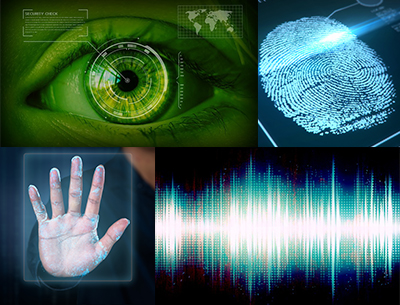
Biometric systems verify identity through two primary methods: biological and behavioral. Biological biometrics include technologies such as retina scans, facial recognition, palm scans, and even odor detection. Behavioral biometrics, or “behaviormetrics,” elevate authentication to a new level by analyzing traits like voice patterns, typing rhythms, or gait. Often dubbed the “holy grail of authentication,” behaviormetrics offer unparalleled security, making it nearly impossible for malicious actors to replicate. Unlike traditional passwords, which can be stolen or guessed, biometric systems provide robust protection, attracting the attention of corporations and governments seeking to fortify their security frameworks.
As a result, many entities are phasing out conventional security measures in favor of biometric and behaviometric systems. The enhanced security is undeniable, but the growing prevalence of these technologies raises significant concerns about privacy.
The Privacy Dilemma
Privacy, a fundamental human value, has faced increasing challenges in the digital age. Biometric technology intensifies this tension. While individuals may hesitate to share personal details like addresses or bank card information online—fearing data breaches—these can be changed if compromised. Biometric data, however, is immutable. Your DNA, retina, or iris cannot be altered, making biometric data exceptionally sensitive and valuable. For instance, advertising agencies could exploit facial recognition technology in public spaces, such as malls, to identify individuals, access their data from a database, and tailor advertisements in real time to maximize persuasion. This scenario, while innovative, raises discomfort for those wary of pervasive surveillance.
Law Enforcement and Ethical Concerns
Law enforcement agencies worldwide have embraced biometrics to enhance public safety. Strategically placed biometric cameras can identify wanted individuals or locate missing persons in crowded spaces. Behaviometrics could even predict criminal behavior by analyzing subtle behavioral cues, potentially preventing crimes before they occur. However, these advancements come with risks. Critics, including prominent voices in privacy advocacy, warn of potential errors leading to wrongful arrests or the misuse of such powerful tools. As biometric technology becomes more widespread, it is likely to ignite heated debates across society about its ethical implications.
The Threat of Identity Theft
The specter of identity theft looms large in the biometric landscape. If a malicious actor gains access to an individual’s biometric data—particularly for someone with access to sensitive systems or assets—the consequences could be catastrophic. Unlike passwords, which can be reset, compromised biometric data cannot be changed. If a breach occurs, the only recourse may be to remove the individual’s biometric profile from the system entirely, potentially locking them out of critical services or employment. This creates a unique vulnerability: a permanent loss of access to prevent unauthorized use.
Navigating the Future of Biometrics
Biometric technology is undeniably transformative, offering unmatched security and convenience. Yet, its growing sophistication and ubiquity amplify concerns about privacy and misuse. For those who prioritize personal privacy, avoiding biometric systems whenever possible is advisable. When unavoidable, their use should be minimized to safeguard sensitive data. As society continues to grapple with the implications of biometrics, individuals must weigh the benefits of enhanced security against the enduring value of privacy.

 Wars of Zeros and Ones