Securing the Skies: The Cybersecurity Imperative for Satellites in a Hyper-Connected World
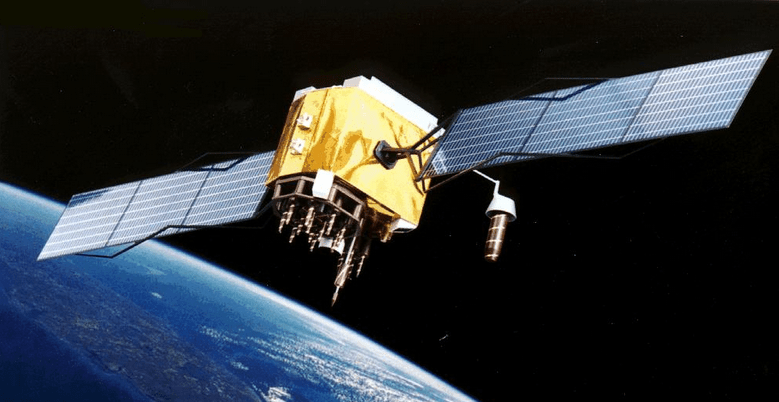
In an era defined by unprecedented global connectivity, satellites have become the invisible backbone of modern civilization. These orbiting marvels enable a vast array of services that have seamlessly integrated into daily life, from global positioning systems (GPS) and high-speed internet to weather forecasting and secure communications. By bridging vast distances and shrinking the world, satellites have transformed how individuals, businesses, and governments operate, fostering a hyper-connected global ecosystem. However, this reliance on satellite infrastructure introduces significant cybersecurity vulnerabilities that, if exploited, could disrupt critical services, incur massive financial losses, and even endanger lives. As the number of satellites in orbit continues to grow—driven by both governmental and private sector initiatives—the urgency to address these vulnerabilities has never been greater.
The Pivotal Role of Satellites in Modern Society
Satellites are indispensable to the functioning of contemporary society. GPS satellites provide precise navigation and timing data, underpinning industries such as transportation, logistics, aviation, and maritime operations. Internet satellites deliver connectivity to remote regions, enabling global communication and commerce. Scientific satellites monitor environmental changes, while military satellites support national security through surveillance and secure communications. According to industry estimates, there are over 7,000 operational satellites in orbit as of 2025, with thousands more planned for deployment in the coming years, driven by initiatives like SpaceX’s Starlink and other low Earth orbit (LEO) constellations.
These satellites collectively form a critical infrastructure that supports the global economy and societal well-being. For instance, GPS alone is estimated to contribute hundreds of billions of dollars annually to global GDP by enabling precision agriculture, optimizing supply chains, and supporting emergency response systems. Internet satellites have democratized access to information, bridging the digital divide for underserved communities. However, the very ubiquity of these services makes their potential disruption all the more consequential.
The Cybersecurity Achilles’ Heel of Satellites
Despite their critical importance, many satellites are alarmingly vulnerable to cyber threats. A significant portion of the satellite fleet, particularly older models, was designed and launched in an era when cybersecurity was an afterthought. These legacy systems often lack robust encryption, modern authentication protocols, or even basic firewalls, rendering them susceptible to exploitation. The software and hardware powering these satellites were built for reliability and longevity, not for withstanding sophisticated cyberattacks that have become commonplace in the digital age.
Cybercriminals or state-sponsored actors could exploit these vulnerabilities in several ways. At the most basic level, attackers could intercept unencrypted data transmissions, siphoning off sensitive information such as location data, communications, or proprietary business intelligence. More alarmingly, a compromised satellite could be disrupted or disabled, rendering it inoperative. For example, a GPS satellite taken offline could disrupt navigation systems, leading to chaos in industries reliant on precise positioning. In extreme scenarios, attackers could attempt to “commandeer” a satellite, issuing unauthorized commands to alter its orbit or functionality. While such an attack requires significant technical sophistication and resources, the possibility cannot be dismissed, particularly as cyber warfare capabilities continue to evolve.
The potential consequences of a compromised satellite are staggering. A disrupted GPS satellite could render navigation systems inoperative, grounding flights, halting maritime operations, and disrupting supply chains. Emergency services, which rely on GPS for rapid response, could face delays, potentially endangering lives. Financial institutions, which depend on precise timing signals from satellites for transaction synchronization, could suffer significant disruptions. In a worst-case scenario, a compromised military satellite could undermine national security, exposing sensitive intelligence or disrupting defense operations.
The Challenges of Securing Satellites
Securing satellites presents unique challenges that distinguish them from terrestrial systems. Satellites operate in the harsh environment of space, where physical access for maintenance or upgrades is impossible once they are launched. This necessitates that cybersecurity measures be integrated into the satellite’s design and software before launch, as post-deployment updates are often limited or impractical. Additionally, the long operational lifespans of satellites—often 10 to 20 years—mean that many rely on outdated technology that cannot easily be retrofitted with modern security protocols.
Another challenge is the complexity of satellite communication networks. Satellites interact with ground stations, user terminals, and other satellites, creating multiple points of entry for potential attackers. Ground stations, in particular, are vulnerable to physical and cyber intrusions, as they serve as the primary interface for commanding and controlling satellites. A breach at a ground station could provide attackers with access to the satellite’s control systems, amplifying the potential for harm.
The diversity of satellite operators further complicates the cybersecurity landscape. Satellites are owned and operated by a mix of governments, military organizations, private companies, and international consortia, each with varying levels of resources, expertise, and priorities. While large organizations like NASA or major telecommunications companies may have robust cybersecurity programs, smaller operators or those in developing nations may lack the resources to implement advanced protections.
Emerging Solutions: From Conventional to Quantum
To address these vulnerabilities, satellite operators must adopt a multi-faceted approach to cybersecurity. The foundation of this approach lies in integrating state-of-the-art security measures into satellite design and operation. Before a satellite is launched, it should be equipped with advanced encryption protocols, secure authentication mechanisms, and intrusion detection systems. Regular software updates, where feasible, can help address emerging threats, though this requires careful planning to avoid disrupting satellite operations.
Ground stations, as critical nodes in the satellite ecosystem, must also be fortified. This includes implementing robust network security, physical access controls, and continuous monitoring for suspicious activity. Redundancy in ground station operations can further mitigate risks by ensuring that a breach at one facility does not compromise the entire network.
Beyond conventional cybersecurity measures, emerging technologies offer transformative potential. Quantum computing, in particular, has emerged as a game-changer in satellite security. Quantum key distribution (QKD), which leverages the principles of quantum mechanics to create theoretically unbreakable encryption, could render satellite communications impervious to interception. In August 2016, China launched the world’s first quantum communication satellite, Micius, which demonstrated the feasibility of QKD in space. While the satellite was experimental, its success highlighted the potential for quantum-based systems to revolutionize satellite security.
However, quantum technology remains prohibitively expensive and complex for widespread adoption. For most operators, the immediate priority should be to implement best-in-class conventional cybersecurity measures. This includes adopting standards such as those outlined by the National Institute of Standards and Technology (NIST) for space systems or collaborating with international bodies like the Consultative Committee for Space Data Systems (CCSDS) to develop interoperable security protocols.
The Role of Collaboration and Regulation
Addressing the cybersecurity challenges of satellites requires collaboration across industries, governments, and international organizations. The space sector is inherently global, with satellites crossing national boundaries and serving users worldwide. This necessitates international cooperation to establish cybersecurity standards, share threat intelligence, and coordinate responses to cyber incidents. Organizations like the United Nations Office for Outer Space Affairs (UNOOSA) could play a pivotal role in fostering dialogue and setting guidelines for satellite security.
Regulation also has a role to play. Governments can incentivize or mandate cybersecurity standards for satellite operators, particularly for those providing critical services like GPS or telecommunications. Public-private partnerships can facilitate the development and deployment of advanced security technologies, ensuring that even smaller operators have access to robust protections.
The Path Forward: A Call to Action
The stakes of satellite cybersecurity are immense. A single compromised satellite could disrupt global communications, cripple economies, or undermine national security. As the number of satellites in orbit continues to grow, so too does the attack surface for cybercriminals and hostile actors. To safeguard this critical infrastructure, satellite operators must prioritize cybersecurity at every stage of a satellite’s lifecycle, from design and launch to operation and decommissioning.
Investing in advanced encryption, secure ground infrastructure, and emerging technologies like quantum computing is essential to staying ahead of evolving threats. Equally important is fostering a culture of cybersecurity awareness and collaboration across the space sector. By taking proactive measures and embracing innovation, the global community can ensure that satellites remain a reliable and secure cornerstone of our connected world.
In conclusion, the hyper-connected world of 2025 relies on satellites more than ever before. These orbiting assets are both a marvel of human ingenuity and a potential point of vulnerability. By addressing the cybersecurity challenges of satellites with urgency and foresight, we can protect the systems that underpin modern life and secure the skies for generations to come.

 Wars of Zeros and Ones